
 Tiger FM
13 November 2026, 7:19 pm
By Ronald Ssemagonja
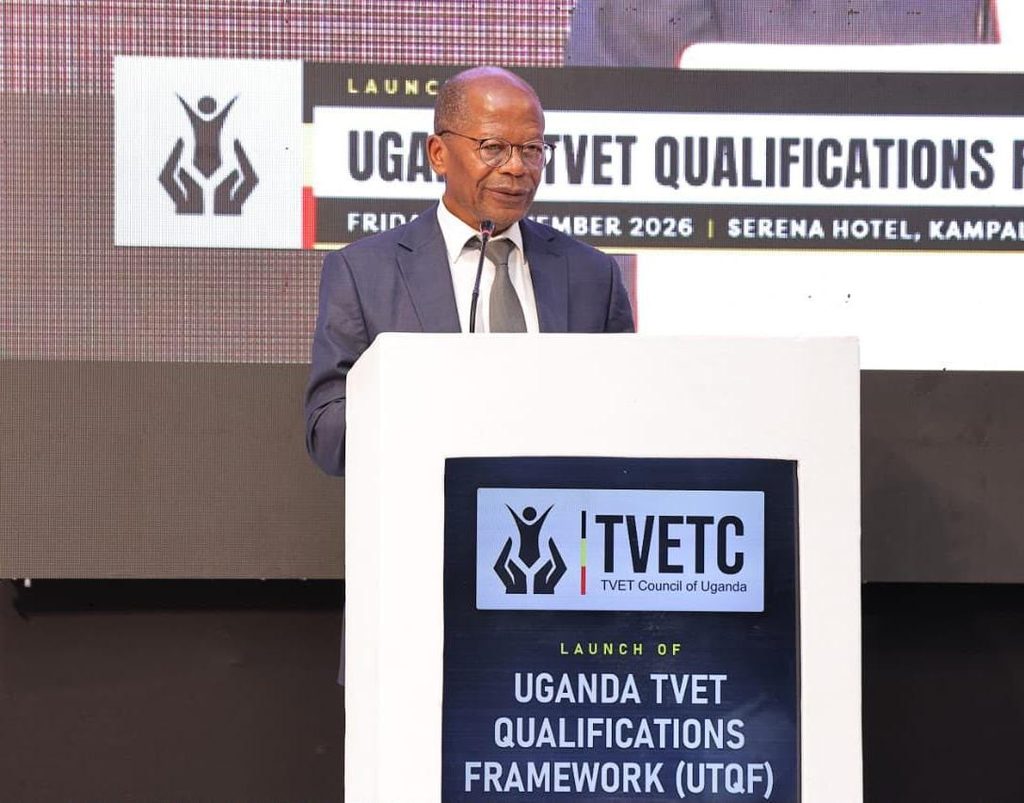
Government has launched the Uganda TVET Qualifications Framework (UTQF) in a move aimed at improving technical and vocational education and expanding opportunities for skills development.
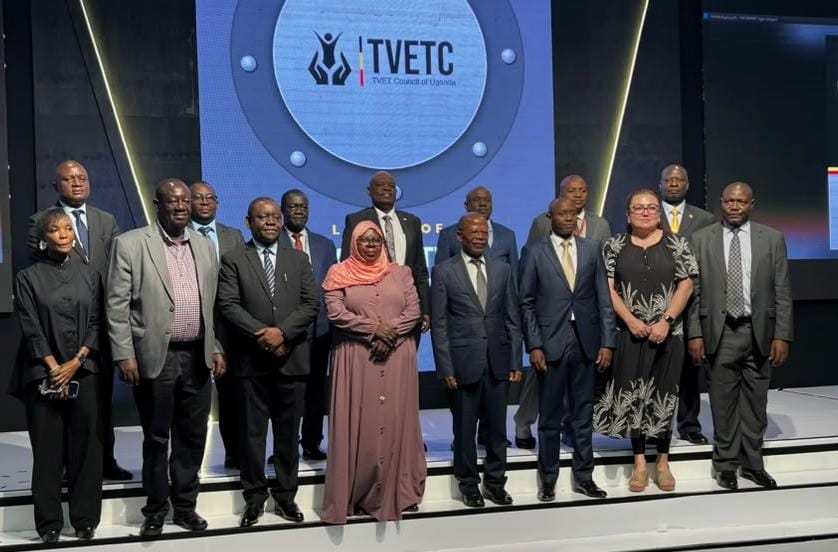
The framework was launched at Serena Hotel in Kampala, with Government reaffirming its commitment to supporting its implementation through funding, strengthening technical institutions and promoting international recognition of Ugandan qualifications.
Representing Government at the launch, the Acting Minister of Education and Sports, Dr John Chrysostom Muyingo, congratulated the TVET Council and other stakeholders who contributed to developing the framework, describing it as an important step towards preparing a skilled and competitive workforce.
Dr Muyingo said Uganda’s ambition of growing its economy from approximately 50 billion US dollars to 500 billion dollars requires a workforce with practical skills to support key sectors, including agriculture, tourism, manufacturing, mineral development, oil and gas, science and technology.
He also emphasised the need to implement the TVET Act, 2025, noting that qualifications must be registered under the approved framework to receive official recognition.
According to TVET Council Executive Director Moses Kasakya, learners who complete Primary Seven and choose the vocational education pathway will be able to progress from artisan and craftsman levels to National Diplomas, degrees, master’s qualifications and eventually PhDs, subject to the required entry and progression conditions.
Kasakya said the framework will help change the perception that vocational education is a dead-end alternative to conventional academic education, giving learners an opportunity to build professional careers and advance to higher qualifications.
He added that the framework will also allow Ugandans who acquired skills through apprenticeships, workplaces and informal training to have their abilities assessed and formally recognised through Recognition of Prior Learning (RPL).
Kasakya explained that the framework is not simply another policy document but a national guide for establishing what learners know and what they can practically demonstrate.
The initiative is also expected to strengthen the relationship between training institutions and employers by ensuring that skills development responds to the actual needs of Uganda’s labour market.