
 Tiger FM
22 October 2026, 8:01 pm
By Ronald Ssemagonja
PELUM Uganda, in collaboration with the Ministry of Agriculture, Animal Industry and Fisheries, the Ministry of Trade, Cooperatives and Industry, and other partners, including smallholder farmers, is set to host a four-day event aimed at promoting climate-resilient indigenous foods and traditional seeds as a pathway to strengthening food security.
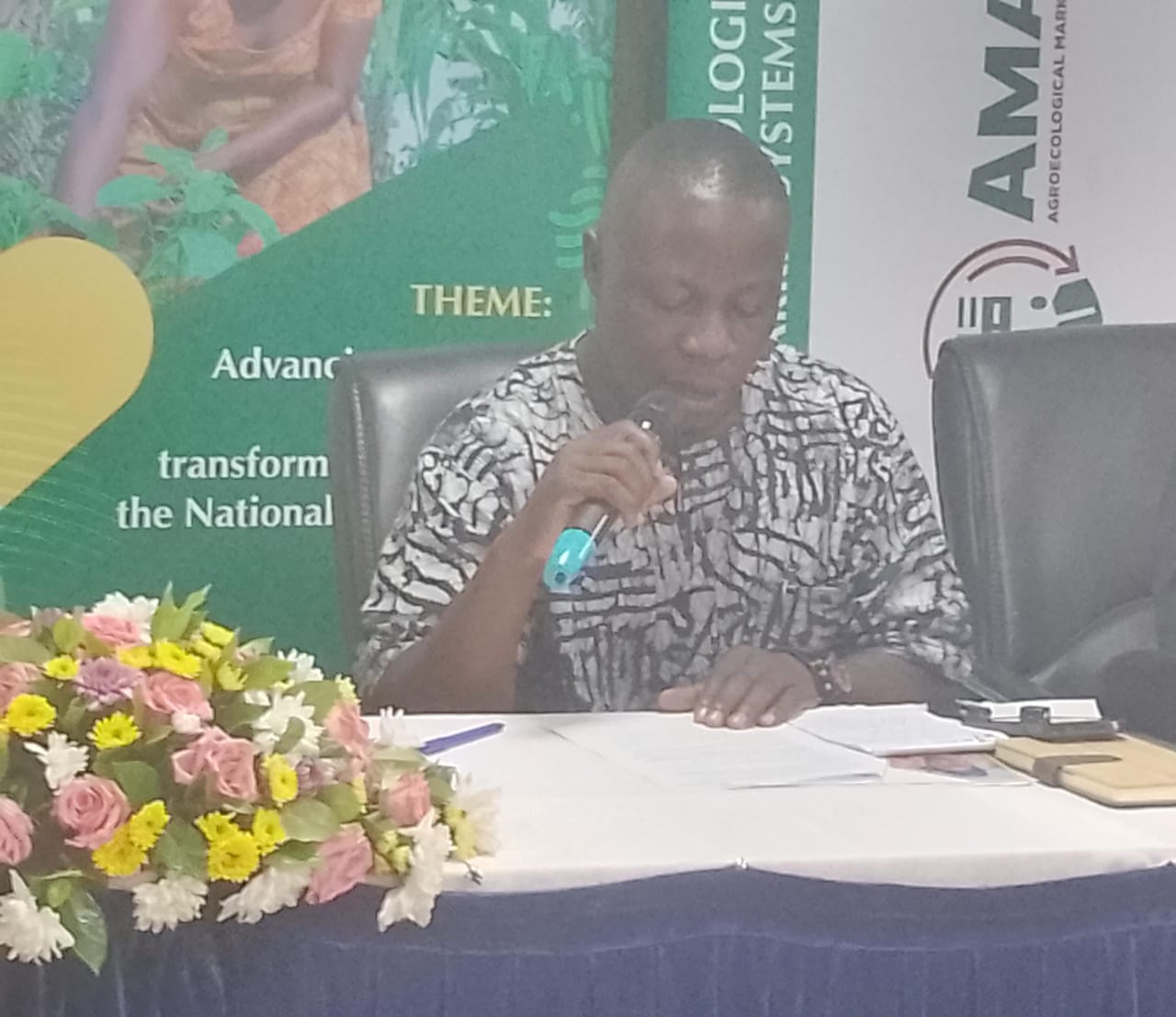
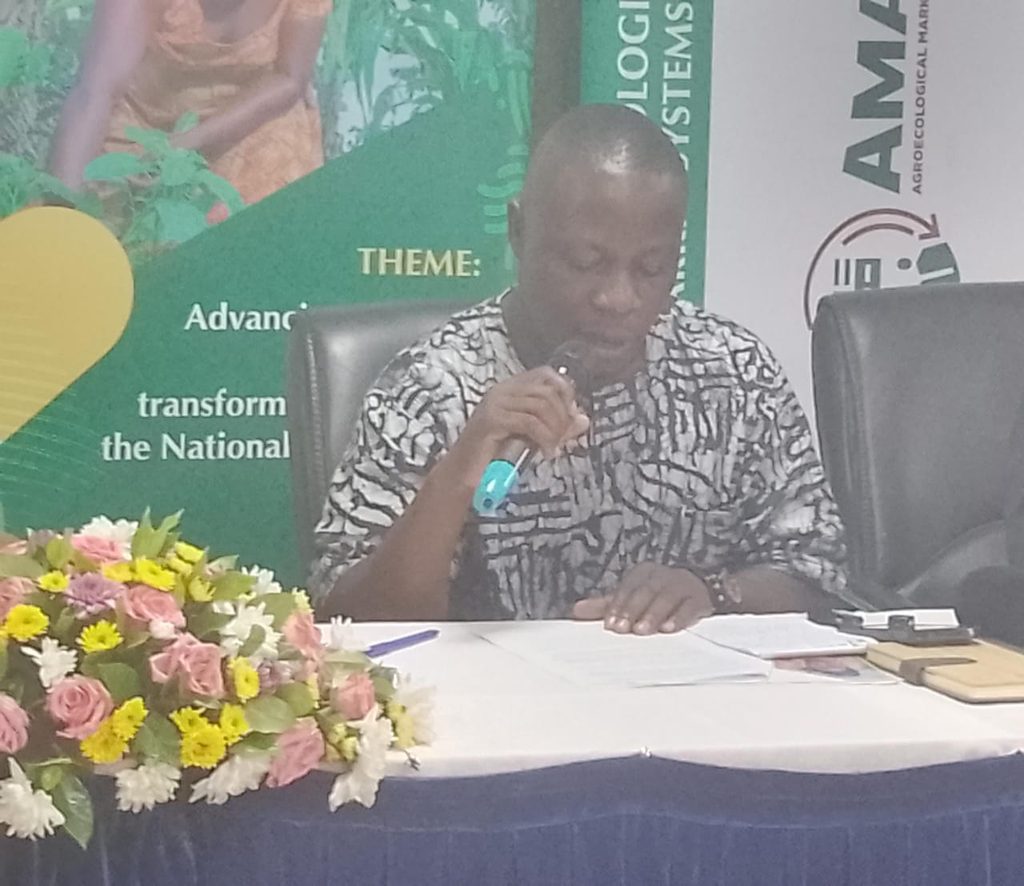
Speaking at a press conference held at Hotel Africana in Kampala on today, Edward Mukiibi, Executive Director of Slow Food and Chairperson of the PELUM Uganda Board, confirmed the team’s readiness for the event and called on the public to participate.
Mukiibi outlined the activities scheduled for the four-day event, which will run from October 27 to 30, 2026.
“On 27th October 2026, we are having the 8th National Agroecology Actors’ Symposium. On 28th October 2026, we are having the 5th Agroecology Market Systems Expo. On 29th and 30th October 2026, we have the 16th Annual Indigenous Food and Traditional Seed Fair, focusing on preserving climate-resilient indigenous foods and traditional seeds,” he said.
Addressing concerns about rising food prices, the organisers attributed the increase to several global challenges, including conflicts in the Middle East and high fuel prices, among other factors.
Joseph Taremwa, Chief Executive Officer of Agro-Tourism, said the Agroecology Week would provide an opportunity to explore practical solutions to the challenges contributing to rising food prices.
“There will be a lot of practical learning,” Taremwa said, highlighting the event’s potential to equip participants with knowledge and skills to address food security challenges.
Josephine Luyimbazi, Country Director of PELUM Uganda, also weighed in on the issue of rising food prices, emphasising the need to address the challenges affecting food systems.
The event is expected to bring together agroecology practitioners, policymakers, farmers, and other stakeholders to promote sustainable agricultural practices, preserve indigenous food varieties and traditional seeds, and strengthen food security in Uganda.