
 Tiger FM
Tiger FM
Tiger FM
24 September 2026, 9:56 am
By Ronald Ssemagonja
The Uganda People’s Congress (UPC) has called for major reforms in Uganda’s education and health systems, saying the country must invest in its people to achieve sustainable development.
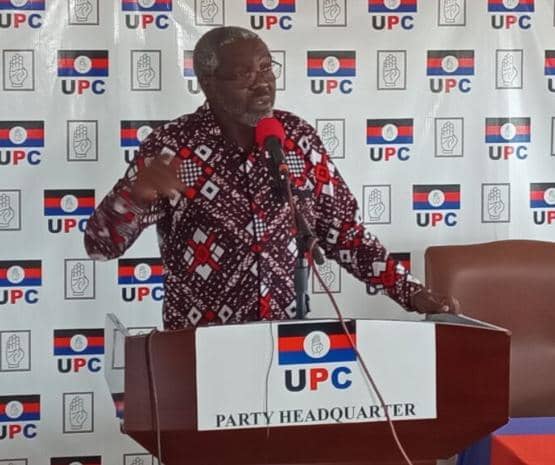
Speaking to the media at the UPC headquarters at Uganda House in Kampala, party president Jimmy Akena said education should go beyond preparing learners for examinations and instead equip young Ugandans with practical knowledge and skills.
His remarks come as thousands of learners prepare to sit the 2026 Primary Leaving Examination, Uganda Certificate of Education and Uganda Advanced Certificate of Education.
Akena questioned what the education system is ultimately preparing Ugandan children for, saying examinations should assess more than academic performance.
UPC also said the quality of public services depends heavily on the welfare and working conditions of teachers and health workers.
The party raised concerns about understaffing in health facilities and called for greater government support for health workers to enable them to provide quality services.
It also called for better working and living conditions for teachers, including accommodation, particularly in areas where schools struggle to attract and retain staff.
UPC said school inspections should consider not only academic performance and classroom facilities, but also the conditions under which teachers live and work.
The party further expressed concern about the growing number of learners attending private schools from primary level to university, questioning whether the public education system is adequately equipped to provide quality and accessible education.
UPC said a strong public education system is essential for developing the skills needed to grow Uganda’s economy and enable citizens to realise their potential.
The party also identified child malnutrition as a major national concern, saying the problem extends beyond areas traditionally associated with food insecurity.
It cited concerns in regions including Karamoja, Kigezi and Tororo, where poverty, food insecurity and inadequate diets contribute to malnutrition.
UPC called for greater investment in child nutrition, arguing that poor nutrition during childhood can affect the development of Uganda’s future workforce.
Akena also called for unity within UPC ahead of the party’s delegates conference.
He said he had previously attempted to bring together senior party members, including Peter Walubiri and Joseph Ochero, to forge a united front ahead of the 2026 elections.
Akena said the effort did not succeed and suggested that his exclusion from the presidential ballot was deliberate.
He maintained that UPC remains the third-largest party in Parliament and said the party should focus on its policies and record rather than internal disagreements.
“This is not a one-man job. It’s a party job, and we have to deliver for Uganda,” Akena said.
The party said it will continue developing policies in education, health, agriculture and livelihoods, with a focus on practical solutions to challenges facing Ugandans.
UPC also called on political leaders, including presidential candidates, to engage in substantive debates on national policies and service delivery rather than political exchanges that do not address citizens’ concerns.
Akena said Uganda’s future depends on investing in its people and creating conditions that allow every citizen to reach their full potential.
UPC also wished candidates sitting the 2026 national examinations success, urging the country to view education as an investment in Uganda’s future.