
 Tiger FM
30 October 2026, 10:24 am
By Ronald Ssemagonja
The Uganda Institution of Professional Engineers (UIPE), through its monthly discussion segment dubbed The Voice, has held its fifth edition at its headquarters in Kampala, focusing on the causes of building collapses during and after earthquakes, as well as measures to improve building safety.
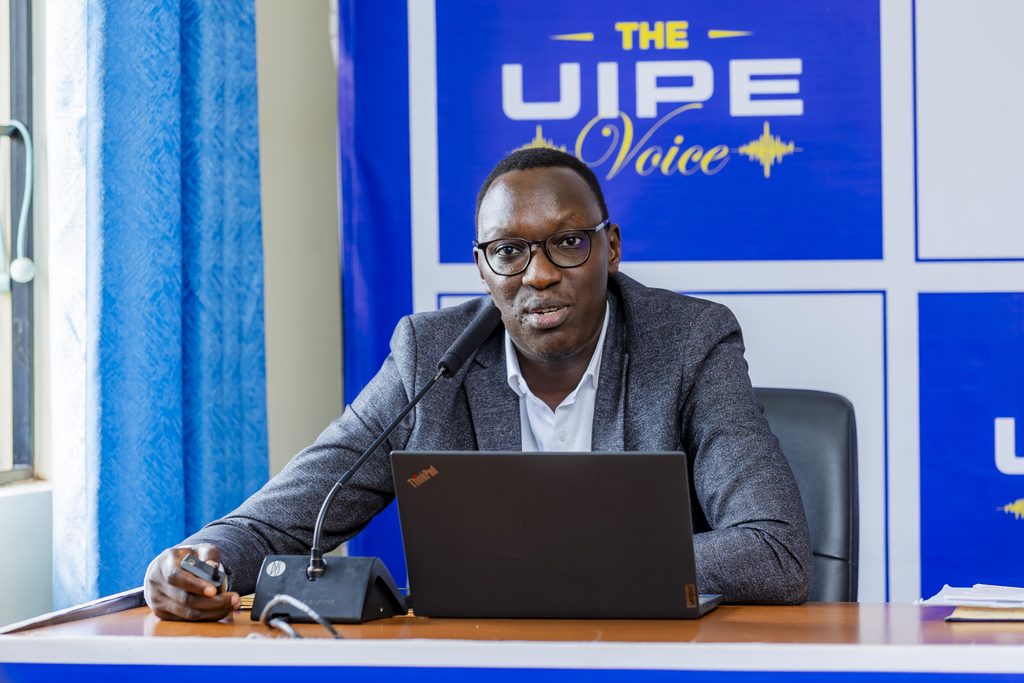
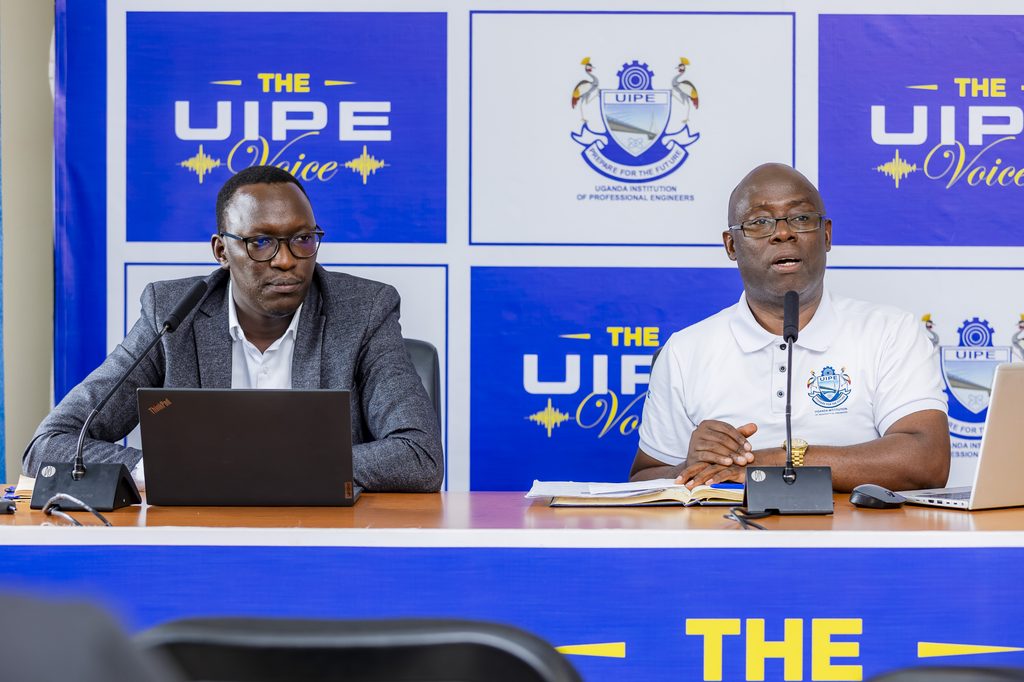
The discussion was spearheaded by Civil and Structural Engineer and Head of Research at the National Building Review Board (NBRB), Eng. Dr Morris Oleng, who explained that buildings can collapse even days after an earthquake, depending on the damage sustained.
“Buildings can collapse two days after an earthquake. But those are my thoughts. What we are doing at NBRB is a baseline survey of buildings,” he said.
Oleng explained that the Board is undertaking several measures, including conducting surveys to establish the condition of buildings and assess their level of compliance with construction standards.
He said preliminary findings have already been obtained, with the final report expected before the end of 2026.
“We have over 200 enumerators in the field. We are conducting this activity jointly with the Uganda Bureau of Statistics (UBOS). We are surveying buildings to understand their level of compliance and how they respond in the event of dynamic excitation,” Oleng said.
He added that the survey examines various characteristics of buildings, including the materials used for walls and floors, which are important in assessing their ability to withstand earthquake-related forces.
Oleng also called on relevant government ministries, including the Ministry of Energy and Mineral Development, to play their part in supporting efforts aimed at improving earthquake resilience.
Referring to research conducted in Fort Portal, he said that although some improvements had been registered, several buildings, including government facilities, still required serious attention.
He warned that approximately 10 per cent of the buildings assessed in the area were unsafe, posing risks to occupants and potentially exposing government to unnecessary losses.
Meanwhile, UIPE Vice President in charge of Finance and Administration, Eng. Martin Kalibbala, who moderated the session, highlighted some of the immediate safety measures people should take when an earthquake occurs.
He advised people indoors to take cover under a sturdy table, motorists to safely pull over, switch off their engines and open their vehicle doors, while those in public places should avoid running and instead sit or kneel down in a safe position.
Kalibbala also emphasised the need to implement the Building Control (Amendment) Act, 2026, as part of efforts to strengthen building safety and enforcement.
The discussion comes weeks after the Minister of Works and Transport, Hon. Fred Byamukama, launched a study on earthquake resilience of buildings in Kampala on September 3, 2026.
The study followed an earthquake of magnitude 4.4 that occurred near Nakasongola on May 31, 2026, and was felt in several parts of Uganda, including Kampala, Lira, Apac, Gulu, Nakasongola, Masindi, Luwero, Wakiso, Mbale, Jinja and areas around Lake Kyoga.
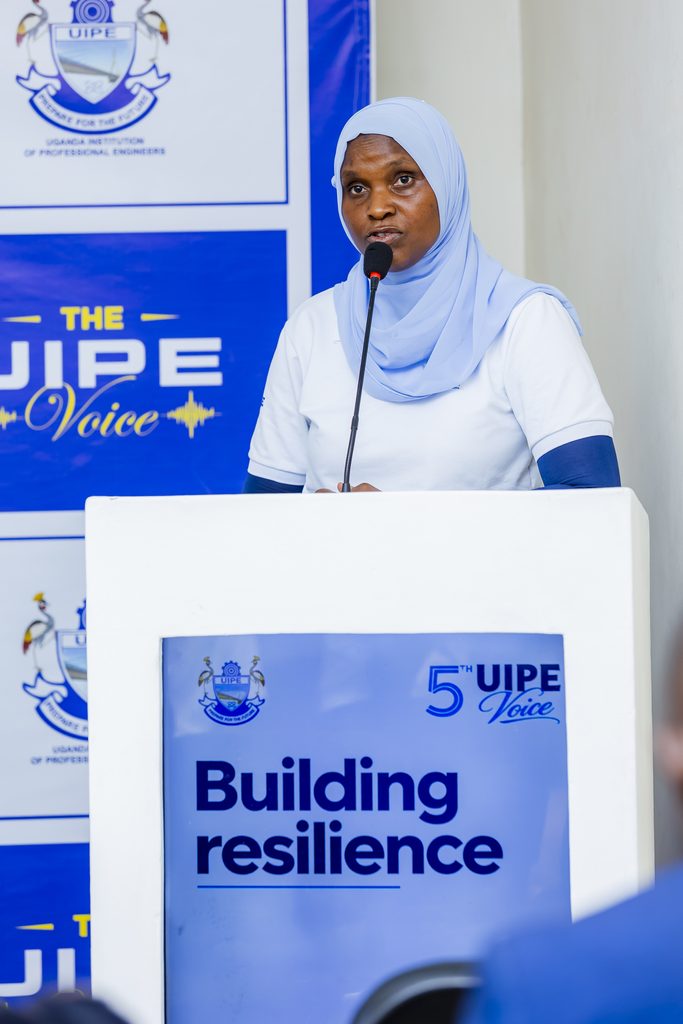
In her remarks, UIPE Vice President in charge of Public Relations, Ethics and Practice, Eng. Zainab Mpakiraba, encouraged members of the public to submit topics they would like the institution to address in upcoming editions of The Voice.
The session was also attended by Eng. Aboth Yakoba, who encouraged engineers to participate in the UIPE awards ceremony scheduled for December this year.