
 Tiger FM
Tiger FM
Tiger FM
24 July 2026, 4:14 pm
By Ronald Ssemagonja
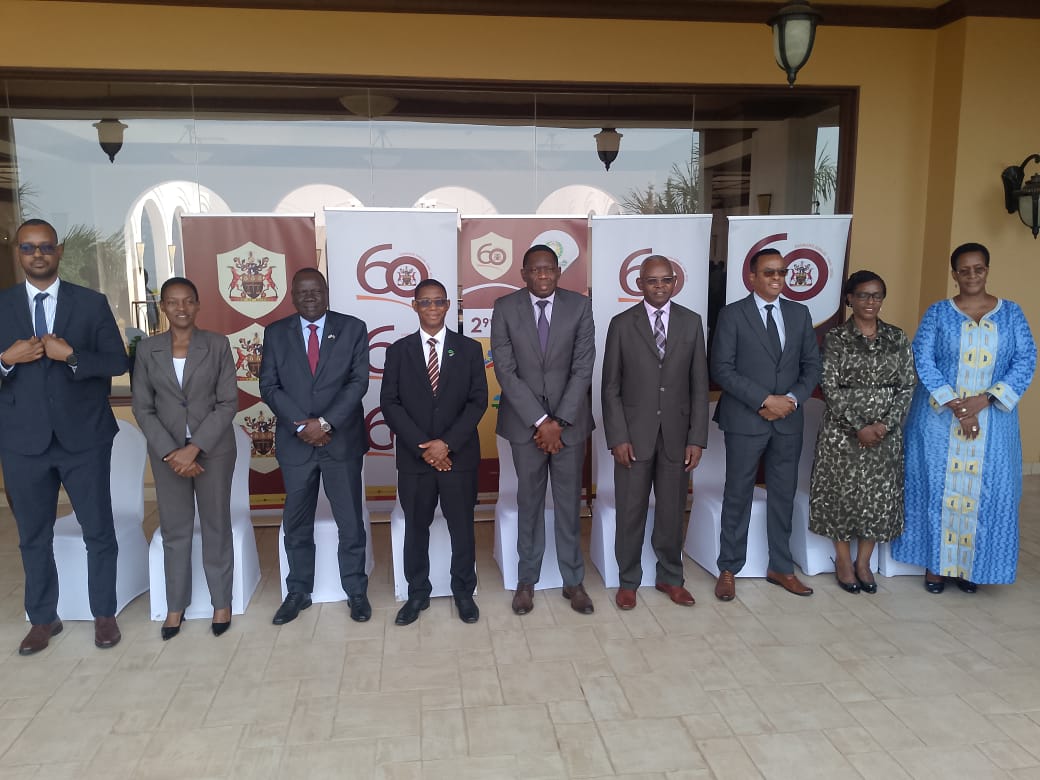
Governors of Central Banks from the East African Community (EAC) have today held the 29th Ordinary Meeting of the Monetary Affairs Committee at Serena Kigo in Wakiso District to review regional economic challenges and discuss measures to strengthen economic integration and financial stability.
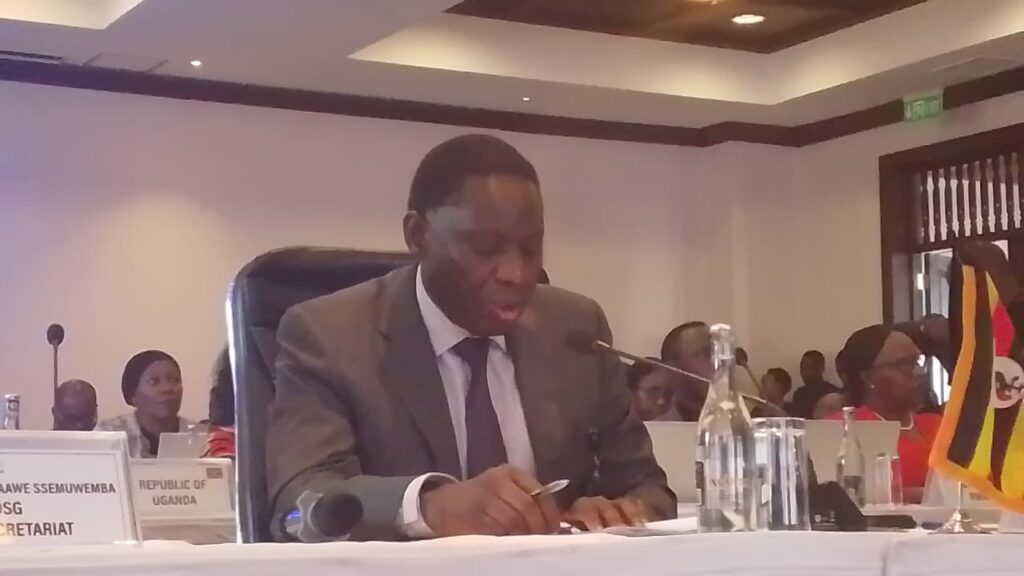
Speaking during the opening session, the Governor of the Bank of Uganda and Chairperson of the Monetary Affairs Committee, Dr. Michael Atingi-Ego, welcomed his counterparts from across the region and underscored the importance of continued cooperation among EAC partner states.
“I would like to welcome you all to the 29th Ordinary Meeting of the Monetary Affairs Committee. Despite the prevailing challenges, exchange rates across the East African region have remained relatively stable. Emerging technologies, including Artificial Intelligence, are helping central banks enhance financial monitoring and analysis. As we pursue our regional priorities, continued cooperation remains essential,” he said.
The meeting brought together central bank governors and technical officials to assess regional macroeconomic convergence and advance the East African Community’s single currency agenda.
Participants reaffirmed their commitment to working together to strengthen regional economies, maintain macroeconomic stability, and combat inflation across the region.
The governors also expressed concern over the continued impact of the conflict in the Middle East, noting that it has disrupted global supply chains, increased economic uncertainty, and affected growth prospects in many countries, including those within the East African Community.
The meeting also reflected on the East African Community’s 2026/27 regional budget of 110.9 million US dollars, which introduced a new GDP-based financing formula and a coordinated national budget reading date of June 11, 2026.
The governors expressed confidence that continued regional cooperation and policy coordination will enhance the East African Community’s economic performance and support the realization of its long-term integration goals.