
 Tiger FM
Tiger FM
Tiger FM
9 September 2026, 1:08 pm
By Ronald Ssemagonja
Youths across Kampala have been urged to turn plastic waste, straws and other discarded materials into valuable products as a way of protecting the environment and creating employment opportunities.
The call was made during a conference held in Kampala yesterday, where young people were sensitised on how they can safely reuse plastic waste to make products such as earrings, mats and other items that can generate income.
Representing the Kampala Capital City Authority (KCCA), Emily Nakanjako said young people have an important role to play in keeping the environment clean, noting that KCCA alone cannot address the challenge of plastic waste.
“I want to thank you for coming to this important event, where we are trying to sensitise young people to utilise the available plastics and straws and make some valuable things out of them. We all know that KCCA alone cannot achieve this goal unless we join hands and do the needful,” Nakanjako said.
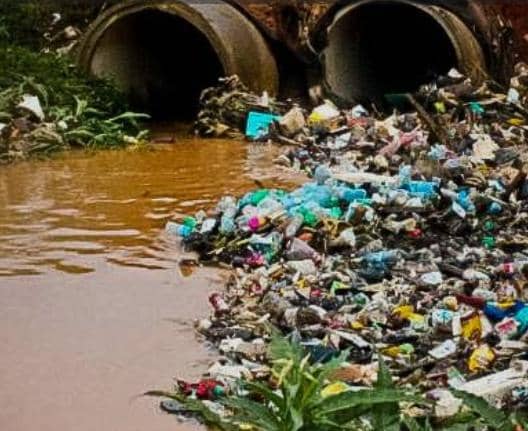
She said plastic waste remains a major challenge in the country, particularly in Kampala, where it often blocks drainage channels and contributes to flooding.
“These plastics are almost everywhere, but very few young people know how important it is to utilise those things and make something sensible,” she added.
Nakanjako also encouraged young people to embrace plastic recycling and reuse as a possible source of employment, especially at a time when the country faces challenges in creating enough jobs for the growing youth population.
“If we can adopt this initiative, we shall reduce the number of young people who are unemployed. I therefore urge you to use this opportunity and start your own businesses in the areas of your jurisdiction,” she said.
The youths who attended the conference welcomed the initiative, saying the skills acquired would help them generate income while keeping their communities clean.
Kakooza, a participant from Nakawa Division, thanked KCCA and its partners for providing the training and said he would share the knowledge with other young people in his community.
“To be honest, we have been using plastics badly, but since we have attended this conference, we are going to change our minds,” he said.
During the conference, participants also called on the Government to consider banning polythene bags as part of efforts to protect the environment and address the growing challenge of plastic waste.