
 Tiger FM
Tiger FM
Tiger FM
2 December 2025, 2:04 pm
By Edwin Kisa Okurmu
Developing nations, Africa in particular, and climate-vulnerable regions from around the world arrived in Belém, Brazil, to attend the 30th Conference of the Parties (COP30).
From 10 to 21 November, the Ugandan delegation, led by Beatrice Anywar, the State Minister for Environment, participated in high-level discussions to secure support for addressing the climate challenges facing the country.
These challenges include rising temperatures, frequent floods, prolonged droughts, and other climate disasters that are already affecting livelihoods, farming, and local economies.
According to Minister Anywar, Uganda sought clearer and stronger commitments on climate finance, particularly funding to help the country respond to climate disasters, recover from climate-related losses, and advance towards cleaner energy without compromising development.
However, after two weeks of negotiations, it became evident that not all of Uganda’s objectives were met. While some progress was achieved, many of the anticipated commitments for developing countries, including Uganda, remained uncertain or deferred.
Uganda continues to advocate for simpler and faster access to the Loss and Damage Fund (LDF), additional support for climate adaptation projects, fair consideration in energy transition discussions, and protection against the unfair exploitation of its mineral resources needed for green and renewable technologies.
Some goals were partially achieved, while others will require continued focus and action.
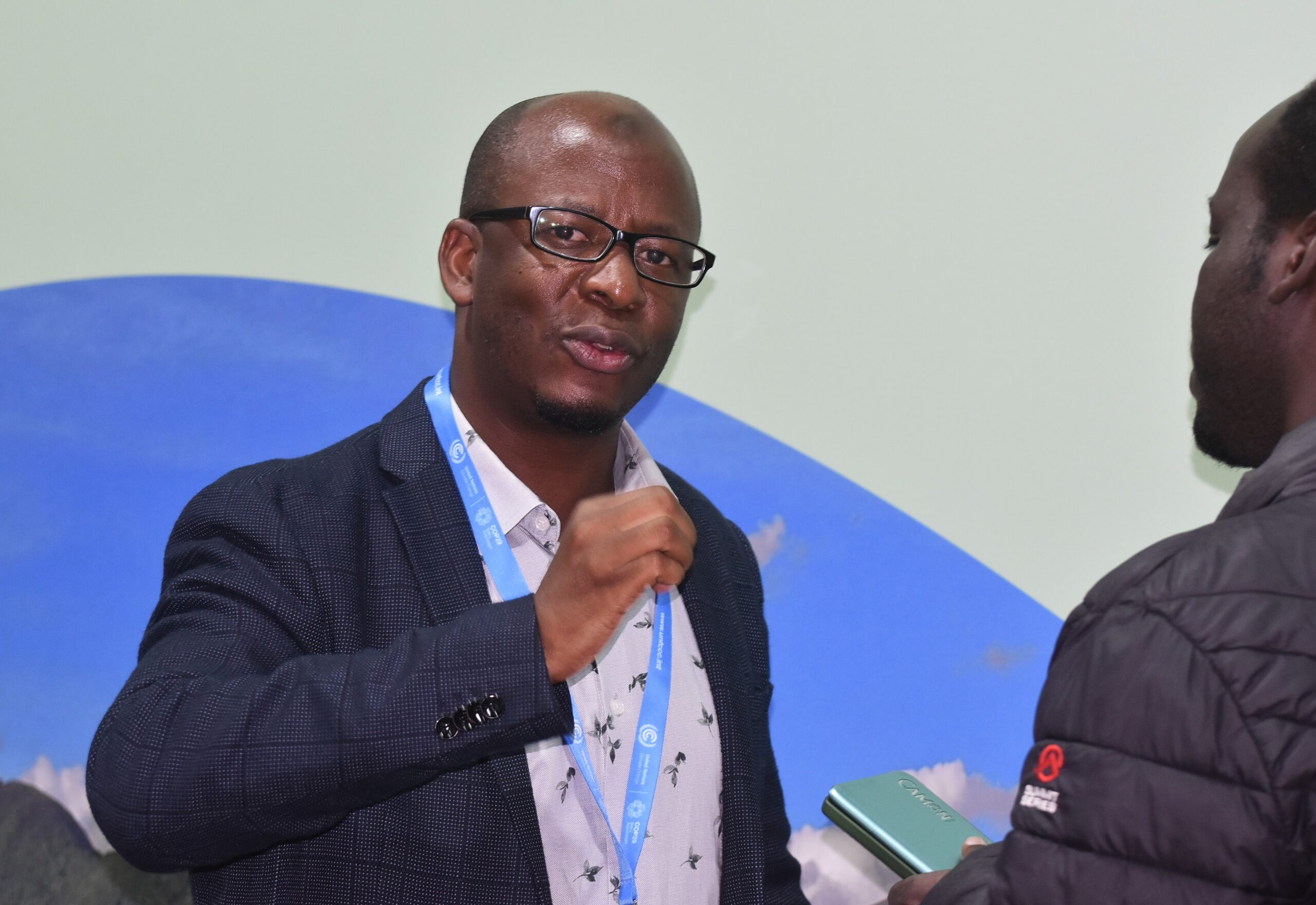
Dr Barirega Akankwasah, the Executive Director of the National Environment Management Authority (NEMA) and a member of the delegation, outlined key outcomes Uganda gained at COP30.
Countries agreed to triple global adaptation finance to approximately USD 120 billion per year by 2035. Although this falls short of Africa’s expectations and is delayed, Akankwasah noted that it officially makes adaptation finance a core component of the global climate system.
Member states adopted an initial set of 59 global indicators to track progress on climate change adaptation. These indicators will guide countries, including Uganda, in measuring and reporting progress in adapting to climate impacts.
Funds are collected into a shared global pool by various countries and donors rather than being distributed directly to individual nations. Uganda, along with other countries, can access these funds through project or programme submissions.
Uganda is co-chairing a new Green Climate Fund (GCF) Country Platform Hub (CP Hub) with Brazil and the V20 (Vulnerable Twenty), a group of 20 countries most vulnerable to sea-level rise and extreme weather events. “This platform helps developing countries turn national priorities into well-planned projects that can attract large-scale climate and nature finance,” Akankwasah explained.
The Funds for Responding to Loss & Damage (FRLD) is now fully operational with a call for proposals. Uganda is eligible to apply, but allocations will be made later through submitted projects or programmes.
The new adaptation indicators and increased focus on tracking resilience mean Uganda will need to include clearer adaptation goals and monitoring methods in its next NDC, National Adaptation Plan updates, and sector plans such as agriculture, water, health, and urban development.
The Warsaw International Mechanism (WIM) review outcomes explicitly push parties to integrate loss and damage into national response plans, which Uganda will incorporate into its NDCs, NAPs, and disaster-risk frameworks.
At COP30, Uganda announced the upcoming launch of its National Black Carbon Action Plan. This plan will be integrated into national climate strategies, linking efforts to reduce air pollution with health protection and climate mitigation.
On climate finance-driven planning, the GCF Country Platform Hub encourages Uganda to move from funding individual projects to preparing larger, ready-to-fund programmes. “This involves aligning national development strategies, climate action plans, local parish development models, and green-growth strategies,” Akankwasah explained.
Africa continues to face insufficient and delayed funding. The tripling of the adaptation fund has been pushed to 2035, and Loss & Damage finance remains far below what is needed. “There is no clear burden-sharing roadmap. For a highly vulnerable country like Uganda, this is a serious gap,” he said.
The Tropical Forest Forever Facility (TFFF) and related initiatives remain largely voluntary and underfunded. “There is no dedicated, guaranteed funding stream for African biodiversity at the required scale,” Akankwasah added.
While some civil society groups and climate activists were disappointed that COP30 did not include a phase-out of oil and gas production, Uganda and other emerging oil and gas producers welcomed this outcome. At least 29 countries were advocating for a fossil fuel phase-out, but the Global Climate Action Agenda at COP30 did not mandate it.
Uganda, negotiating as part of the Least Developed Countries Group (LDC) and the G77 plus China, strategically pushed for equity, transition support, and flexible, country-determined policies.
At COP29 in Baku, Azerbaijan, fossil fuel extraction also sparked controversy, with Uganda criticised for its Telenga and East African Crude Oil Pipeline (EACOP) projects.
President Yoweri Museveni stated that Uganda’s oil exploration plans will continue as scheduled, with petroleum products serving domestic and East African Community markets.
Dr Akankwasah added that oil and gas exploration will contribute to sustainable environmental management. The government has committed to using oil revenues to accelerate Uganda’s energy transition. “The goal is to sell our oil and gas, generate revenue, and support the economy’s transition to cleaner energy,” he said.