
 Tiger FM
Tiger FM
Tiger FM
14 December 2025, 2:43 pm
By Ronald Ssemagonja
Like any other sovereign state, Uganda is defined not only by its weather and geography but also by its national symbols, chief among them the national flag. Many people may wonder why it is important for a developing African nation such as Uganda to have a national flag. However, the flag plays a crucial role in identifying the country both locally and internationally.
As Uganda emerged from its historical struggles, leaders at the time deemed it wise to establish symbols that would clearly identify the nation in offices, schools, hospitals, and foreign countries. The Ugandan flag was designed by Grace Ibingira, who, before his death, revealed that he was inspired by the German national flag. This explains the similarity in colours between the two flags.
The Ugandan flag features a crested crane at its centre, standing on one leg while the other is raised in motion. This symbolizes that Uganda is moving forward. The colours of the flag also carry deep meaning: black represents the African people, yellow signifies sunshine and the country’s favourable climate, and red stands for brotherhood and the blood that unites all Ugandans.
Against this backdrop, the significance of the national flag becomes particularly relevant during the current electoral season. Uganda is scheduled to go to the polls on Thursday, 15 January 2026, with over 21 million citizens expected to participate, according to the Electoral Commission.
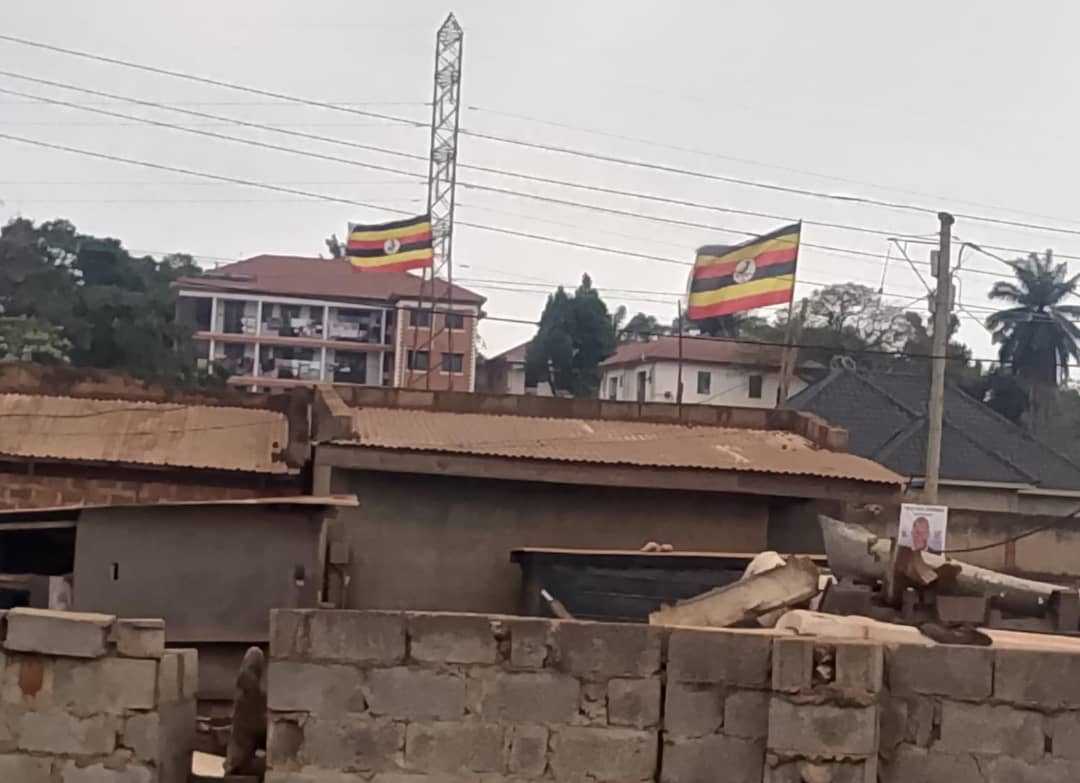
Across the country, the Ugandan flag has become increasingly visible. Many people display it at their workplaces, on vehicles, motorcycles, and boda bodas, while others carry it during campaign activities. When asked why they carry the national flag, some simply say it is because Uganda is in a campaign season. Others are reluctant to explain and even dismiss such questions, finding them unnecessary. This raises questions about why people prefer the national flag over cultural flags such as those of Buganda, Busoga, or Bunyoro.
While the Ugandan flag clearly symbolises national sovereignty, very few citizens can fully explain what it means for a nation to have a flag. According to James Arinaitwe, a resident of Nyanama along Entebbe Road in Wakiso District, the flag plays a vital role during elections.
“I think the significance of the Ugandan flag during the electoral season is to remind us, the citizens, that we have a role to play on 15 January next year. That role is voting for our leaders who will guide the country for the next five years,” Arinaitwe said.
He encouraged eligible voters to prepare themselves for the elections and to participate actively.
“If you do not vote, you have no right to demand service delivery from leaders because you failed to exercise your civic duty. Even if your candidate does not win, at least you would have done your part,” he added.
Others argue that when the Ugandan flag is seen flying in foreign countries, it serves as a reminder that there is a sovereign state called Uganda in the East African region. More than that, it represents the Pearl of Africa, as famously described by Winston Churchill. This recognition can inspire foreigners, particularly from Western countries, to visit and explore Uganda’s natural beauty and cultural heritage. As a result, the government earns revenue through tourism, part of which is used to develop infrastructure and improve public services.