
 Tembo FM
Tembo FM
Tembo FM
17 July 2026, 5:30 pm
By Odong James
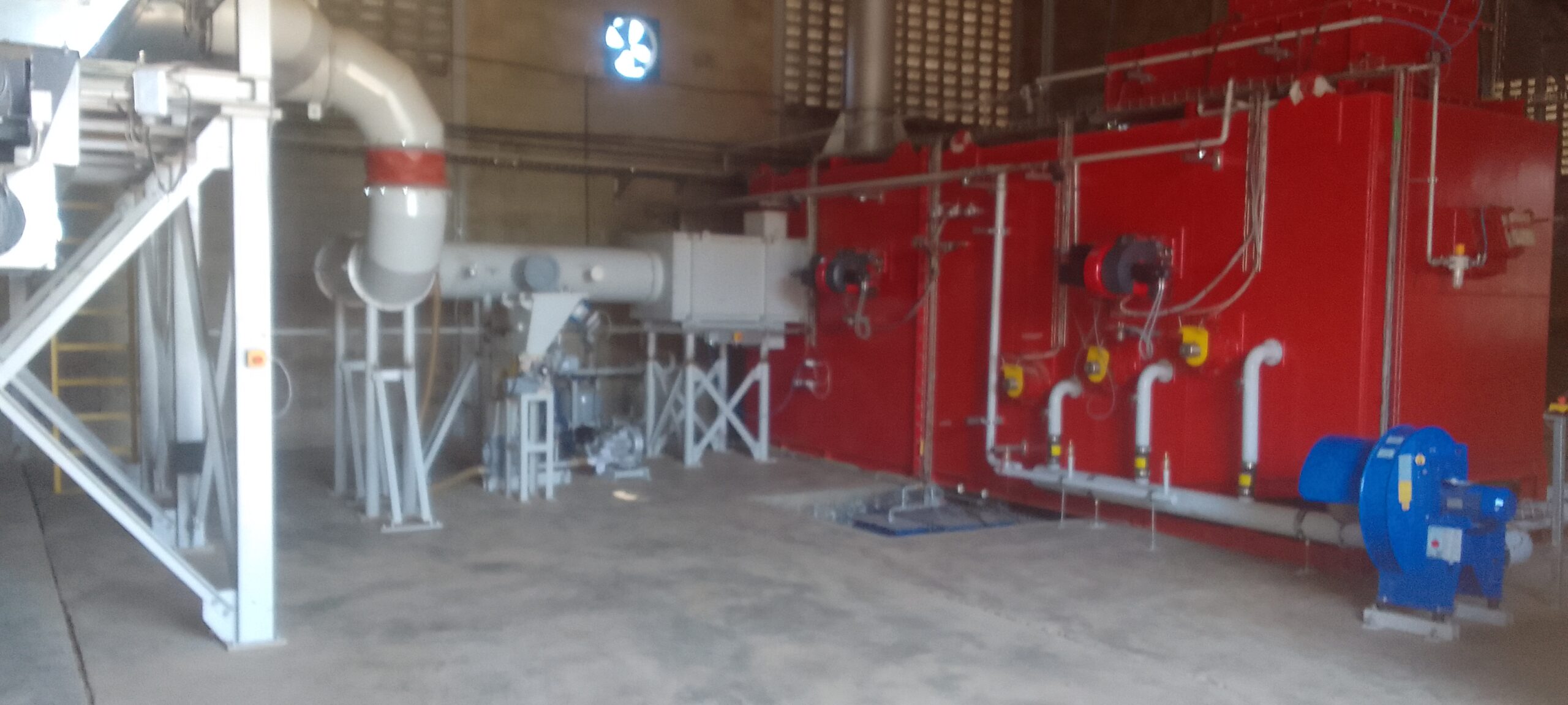
After years of environmental degradation and growing public health concerns caused by poor disposal of hazardous medical waste, Northern Uganda is set for a major breakthrough. The Ministry of Health has confirmed that the long-awaited Regional Medical Waste Incinerator serving the Acholi Sub-region will be commissioned in November 2026, offering a sustainable solution to one of the region’s most persistent environmental challenges.
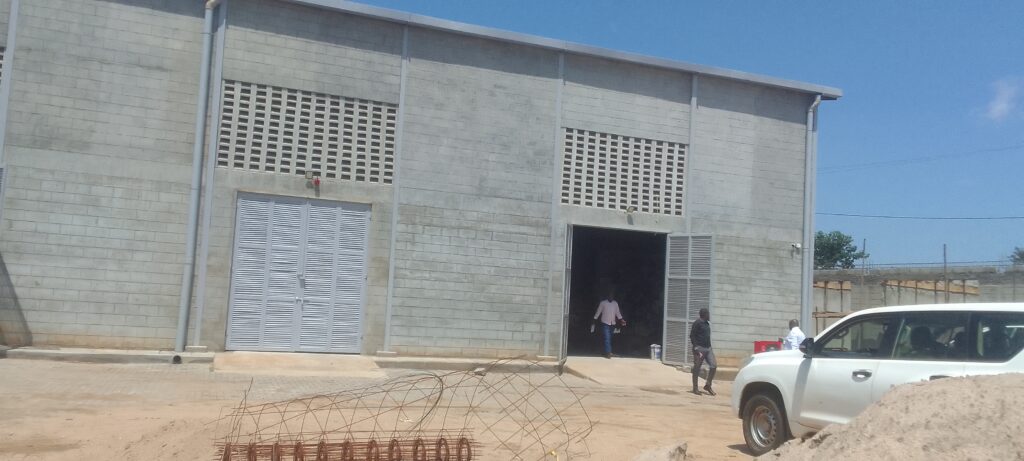
The Shs19 billion (approximately US$5.3 million) facility, located in Angaya Parish, Unyama Sub-county, Gulu District, is expected to transform healthcare waste management by providing a centralised, high-capacity system for the safe treatment of infectious and hazardous waste generated by both public and private health facilities across the Acholi Sub-region.
For decades, the absence of adequate waste treatment infrastructure forced many health facilities to resort to unsafe disposal methods. Infectious medical waste was often openly burned, buried in shallow pits, dumped in the environment, or, in some cases, discarded near water sources; practices that contaminated ecosystems, threatened biodiversity, polluted air and water, and exposed surrounding communities to dangerous pathogens.
Environmental experts have long warned that improper disposal of healthcare waste poses far-reaching consequences beyond hospital boundaries. Hazardous emissions from open burning contribute to air pollution, while poorly managed waste contaminates soil and groundwater, placing humans, livestock, wildlife and aquatic ecosystems at risk.
Speaking during an inspection visit to the site on Tuesday, July 14, 2026, the Ministry of Health’s Senior Communications Officer, Emmanuel Ainebyoona, said construction of the facility is in its final stages.
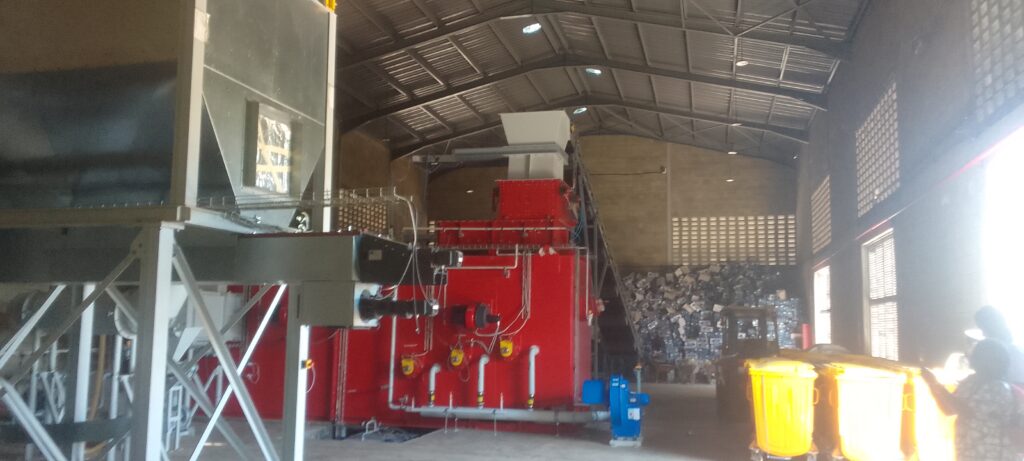
The regional incinerator will include a modern high-capacity incineration unit, a staff residence, a waiting area, water supply infrastructure, a waste reception area and other supporting facilities designed to ensure safe and efficient operations.
Health officials say the facility represents a significant shift from the fragmented waste disposal systems currently used across the region.
According to Ms. Susan Namukose, the Regional Public Health Educator, many hospitals (including Gulu Regional Referral Hospital) have struggled to manage increasing volumes of infectious waste using ageing, low-capacity incinerators that frequently become overwhelmed.
She noted that once operational, the regional facility, located about 11 kilometres outside Gulu City along the Gulu – Kitgum Road will receive waste from health facilities across the Acholi Sub-region, reducing reliance on substandard incinerators that fail to meet national environmental standards.
The Ministry of Health is now proposing to gradually phase out small, inefficient incinerators across the country and instead channel medical waste to regional treatment centres. The strategy also includes conducting technical assessments of incomplete incinerators, completing stalled projects, and accelerating the commissioning of regional waste treatment facilities.
Namukose said strengthening healthcare waste management is critical to preventing the spread of infectious diseases, safeguarding healthcare workers, protecting surrounding communities, and ensuring compliance with environmental and public health regulations.
The Principal Hospital Administrator of Gulu Regional Referral Hospital, Walter Uryek-Wun, hailed the project as a landmark investment that will improve both environmental protection and healthcare service delivery in Northern Uganda.
“The technology used in this facility is far more advanced than conventional incinerators. It is designed to produce significantly lower emissions, reducing smoke and other pollutants released into the atmosphere while ensuring hazardous waste is destroyed safely,” he said.
The new plant will have the capacity to incinerate up to 450 kilograms of medical waste every hour, enabling health facilities to dispose of infectious materials more efficiently and reducing the environmental burden associated with healthcare waste accumulation.
Despite progress, the Ministry acknowledges that healthcare waste management remains one of Uganda’s weakest environmental health systems.
Government data indicate that only 23.4 per cent of health facilities currently meet advanced standards for waste segregation, secure storage, treatment and disposal. Major challenges include poor waste segregation practices, inadequate storage facilities, limited financing following the withdrawal of several development partners, including USAID, and insufficient technical capacity among healthcare workers.
Officials believe regional incinerators will play a central role in closing these gaps while encouraging private healthcare providers to invest in environmentally responsible waste management systems.
Private health facilities have already been encouraged to utilize the new regional incinerator once operations begin.
For environmental advocates, the commissioning of the facility represents more than just new infrastructure; it signals a long-awaited commitment to protecting communities and ecosystems from hazardous medical waste.
If effectively managed and adequately maintained, the regional incinerator could become a model for sustainable healthcare waste management in Uganda, reducing pollution, preventing disease transmission, and helping restore confidence that healthcare can protect both people and the environment simultaneously.