
 Tiger FM
Tiger FM
Tiger FM
23 February 2026, 5:15 pm
By Ronald Ssemagonja
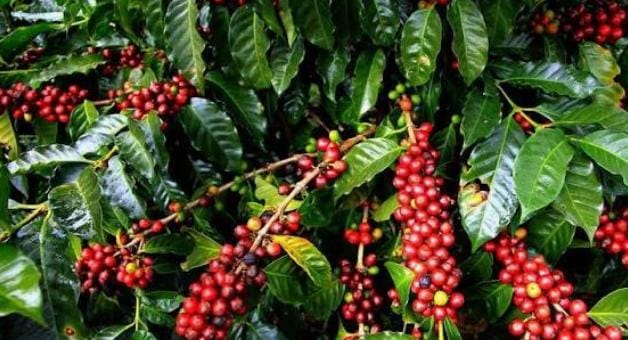
Coffee remains one of Uganda’s most important cash crops, supporting millions of households and contributing significantly to national export earnings. Uganda is Africa’s leading exporter of Robusta coffee and also produces high-quality Arabica in selected highland regions.
The country grows two main types of coffee: Robusta and Arabica. Robusta performs well in low- to mid-altitude areas ranging between 900 and 1,500 metres above sea level. It is widely cultivated in Central, Eastern, Mid-Western and parts of Northern Uganda. Research indicates that Robusta is high-yielding and more tolerant of pests and diseases, particularly when farmers plant improved Kawanda Robusta clones developed by research institutions.
Arabica coffee, by contrast, thrives in cooler, high-altitude areas between 1,500 and 2,300 metres above sea level. It is mainly grown on the slopes of Mount Elgon, the Rwenzori Mountains, the West Nile Highlands and in parts of Kabale District. Popular Arabica varieties such as SL14, SL28 and KP423 are known for their superior quality and higher market prices, although they are more susceptible to diseases.
It is against this background that agronomist Moses Lumu has advised farmers on how to improve coffee productivity and profitability.
Lumu explains that coffee grows best in areas receiving well-distributed rainfall of between 1,200 and 2,000 millimetres per year. He notes that Robusta prefers warmer temperatures ranging from 18 to 30 degrees Celsius, while Arabica performs best in cooler conditions of about 15 to 24 degrees Celsius.
“Moderate shade is important for both coffee types, as it protects plants from excessive heat, reduces moisture loss and improves yields,” Lumu says. He adds that many farmers integrate shade trees such as bananas, avocado, albizia and ficus within their coffee gardens.
Coffee requires deep, fertile and well-drained loamy soils. Waterlogged areas should be avoided because coffee roots rot easily under such conditions. The ideal soil pH ranges between 5.5 and 6.5. In highly acidic soils, agricultural lime may be applied to improve soil conditions.
Selecting quality seedlings is also critical. Lumu advises farmers to obtain certified seedlings from nurseries registered by the Uganda Coffee Development Authority, government-supported distribution programmes or reputable private nurseries.
“Healthy seedlings are usually six to eight months old, have several pairs of leaves, a strong root system and show no signs of pests or diseases,” he says.
Farmers are further encouraged to plant coffee at the onset of the rainy season to ensure proper establishment. Appropriate spacing allows adequate sunlight penetration, reduces the spread of diseases and makes garden management easier.
Meanwhile, coffee farmer Naddumba Olivia emphasises the importance of watering and mulching. She notes that coffee requires consistent moisture, particularly during the first two years after planting. In areas that experience prolonged dry spells, supplementary irrigation significantly improves plant survival and growth.
Mulching with dry grass, banana leaves or coffee husks helps conserve soil moisture, control weeds and improve soil fertility.
Despite the challenges faced by coffee farmers, Olivia advises growers to seek guidance from extension workers before applying pesticides to ensure safe and proper usage.
With proper agronomic practices, experts believe farmers can increase yields, improve quality and maximise earnings from Uganda’s leading export crop.