
 Tiger FM
Tiger FM
Tiger FM
7 April 2026, 1:39 pm
By Edwin Okurmu Kisa
The Government of Uganda has secured funding worth 540 million US dollars (approximately 2.1 trillion Ugandan shillings) from the World Bank to support the development of cities and municipalities across the country under a new phase of urban transformation.
The funding, which includes an 80 million dollar grant component, will finance the second phase of the Uganda Support to Municipal Infrastructure Development (USMID) program, now rebranded as the Uganda Cities and Municipalities Infrastructure Development Program (UCMID).
This marks the second time the World Bank is supporting the initiative, which has already delivered significant improvements in urban areas, including the construction of modern roads, upgraded drainage systems, and the development of modern markets, among other infrastructure projects.
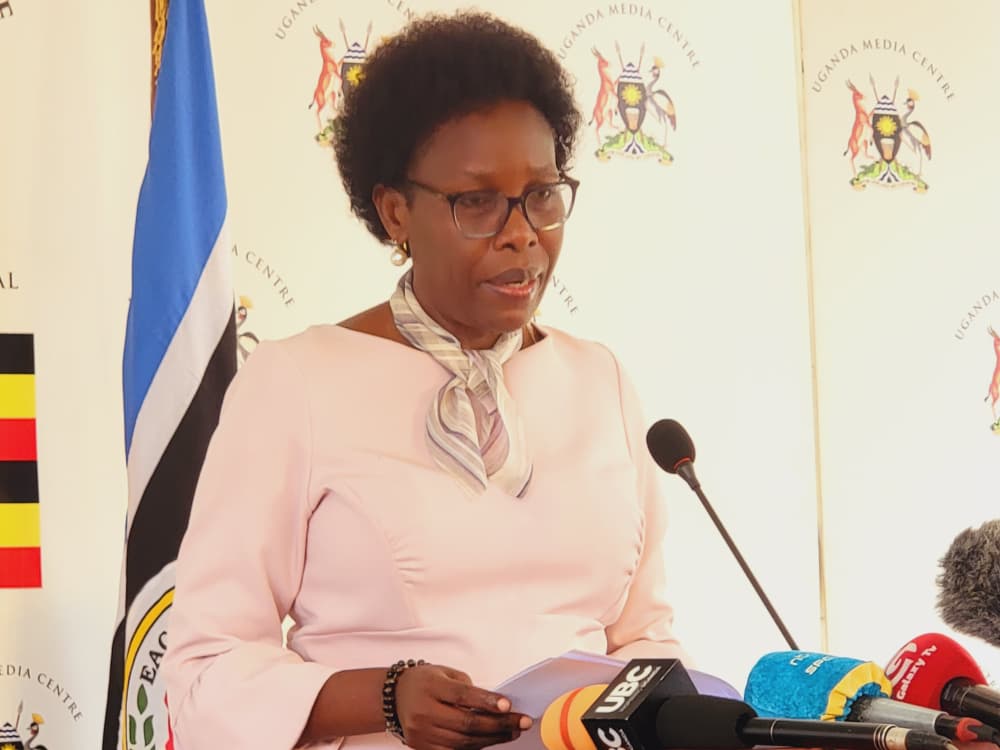
According to the Minister for Lands, Housing and Urban Development, Judith Nabakooba, the new program will run for six years, from the 2026/2027 financial year to 2030/2031, and will be coordinated by her ministry.
She revealed this during a press briefing at the Media Centre in Kampala, noting that the program is designed to strengthen the institutional performance of selected urban local governments and improve urban planning and management.
The UCMID program will also focus on expanding access to climate-smart infrastructure, services, and job opportunities, particularly benefiting urban residents and displaced populations in refugee-hosting areas.
Implementation will cover 10 regional cities, 26 municipalities, and 13 refugee-hosting districts, directly benefiting an estimated 5.6 million people, including about 1.6 million individuals living in refugee-hosting communities.
The targeted cities include Lira, Arua, Gulu, Soroti, Mbale, Hoima, Fort Portal, Jinja, Mbarara, and Masaka, while municipalities span across different regions, including both those previously under USMID and newly added ones.
The program will also be implemented in refugee-hosting districts such as Arua, Yumbe, Adjumani, Lamwo, Kiryandongo, and Isingiro, among others.
Beyond infrastructure, the initiative will promote environmental sustainability through tree planting in urban areas, improve safety and stability through the installation of street lighting, and enhance economic opportunities.
By the end of the program, government projects that at least 20,000 permanent jobs will be created, including 5,000 targeting refugees and host communities, particularly in sectors such as market operations, waste management, maintenance services, and logistics.
Officials say improved infrastructure and better market access are expected to lower business costs, boost demand for labor, and increase household incomes, especially for women, youth, and low-income earners, while also creating a more supportive environment for small businesses, vendors, and informal traders.