
 Mama FM
Mama FM
Mama FM
20 October 2025, 11:05 am
By Mosh Ddamba & Byamukama Alozious
As the 2026 general elections approach, aspiring leaders have been urged to familiarise themselves with their constitutional roles and responsibilities to better serve their communities once elected.
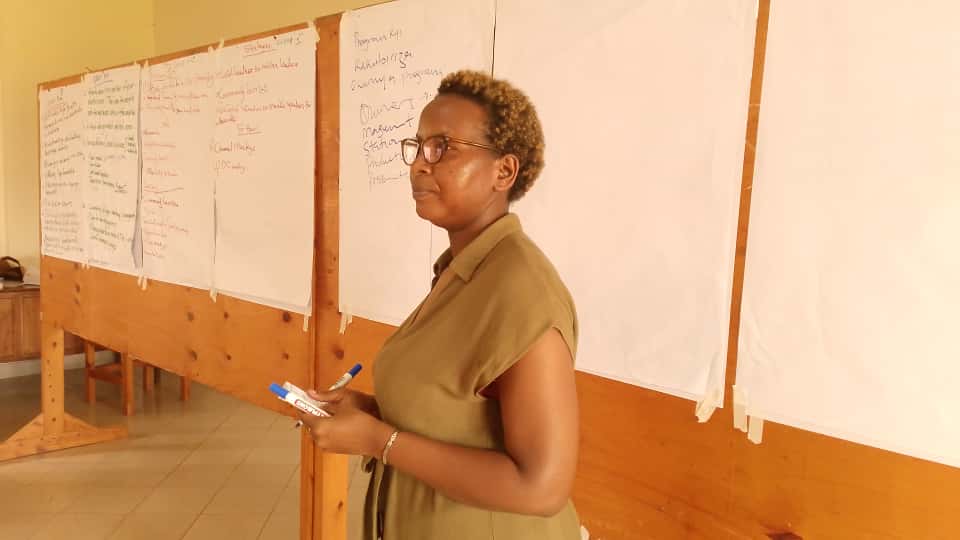
The call was made during a leadership capacity-building workshop organised by the Uganda Media Women’s Association (UMWA) in partnership with Mama FM. The training, held at UMWA’s premises, aimed to equip aspiring leaders — from local council candidates to those seeking higher offices — with the skills to engage effectively with the media and their constituents.
According to UMWA, the initiative forms part of its efforts to give back to the community, addressing a civic education gap ahead of the elections, the poor use of radio, and governance challenges. The training was a non-funded opportunity designed for both male and female aspiring leaders in the central region.
UMWA Executive Director Margaret Ssentamu emphasised that true leadership is about service, not personal gain.
“Many aspiring leaders think leadership is about earning a monthly salary. They must instead focus on serving the interests of their people and adhering to constitutional principles,” she said.
Laila Ndagire, UMWA’s Project Officer and one of the facilitators, trained participants on how to use both mainstream and social media effectively during campaigns. She also explained the structure of media houses and emphasised the importance of knowing whom to contact when seeking coverage.
“Many leaders want to appear on political shows but often approach the wrong people. It’s the producers who determine programme guests, and news editors who decide what makes the news,” Laila explained.
Participants described the training as transformative. Sarah Nakawungu, an aspiring LC3 Councillor for Kawempe II and Kazo Angola, said the session broadened her understanding of community research and communication strategies.
“I’ve learned the importance of understanding my electorate — youth, women, and persons with disabilities — and their interests, and of using the right language during campaigns,” Nakawungu noted.
Musa Ssemanda, an incumbent LC3 Councillor, shared lessons from his four years in office, cautioning aspirants against making unrealistic promises.
“They should promise only what they can afford and are capable of delivering. Leadership requires honesty and public accountability,” he said, recalling how a voter once demanded he buy a car he could not afford.
Musa also pointed out that many voters focus on quick gains rather than service delivery, noting:
“Our voters just want sodas and small handouts, not meaningful development.”
He recounted borrowing 70,000 shillings to fund a voter’s introduction ceremony, commonly known as kwanjura, and struggling to repay the loan. He urged voters to prioritise service delivery and for leaders to focus on addressing larger community needs rather than minor demands.
Uganda, home to 56.9 million people according to the recent census, has 22 million registered voters for the 2026 general elections. No woman has yet declared a presidential candidacy, highlighting the importance of UMWA’s training to prepare both aspirants and the public on electoral processes and their significance. Candidates were also challenged to avoid seeking quick personal wealth upon winning elections, instead emphasising the implementation of their manifestos.
“Politics is not a job; find side incomes,” one facilitator advised.
UMWA urged aspirants to demonstrate qualities of good leadership, including availability, readiness, and approachability, to ensure effective service delivery.
Clothilda Babirekere, UMWA’s Gender Specialist, discussed cultural barriers affecting women in politics. She highlighted how traditional norms often discourage women from leadership roles while grooming boys to take charge.
“From childhood, girls are raised to be homemakers, while boys are taught leadership. This mindset limits women’s participation in politics,” Babirekere said.