
 Mama FM
Mama FM
Mama FM
8 August 2025, 4:13 pm
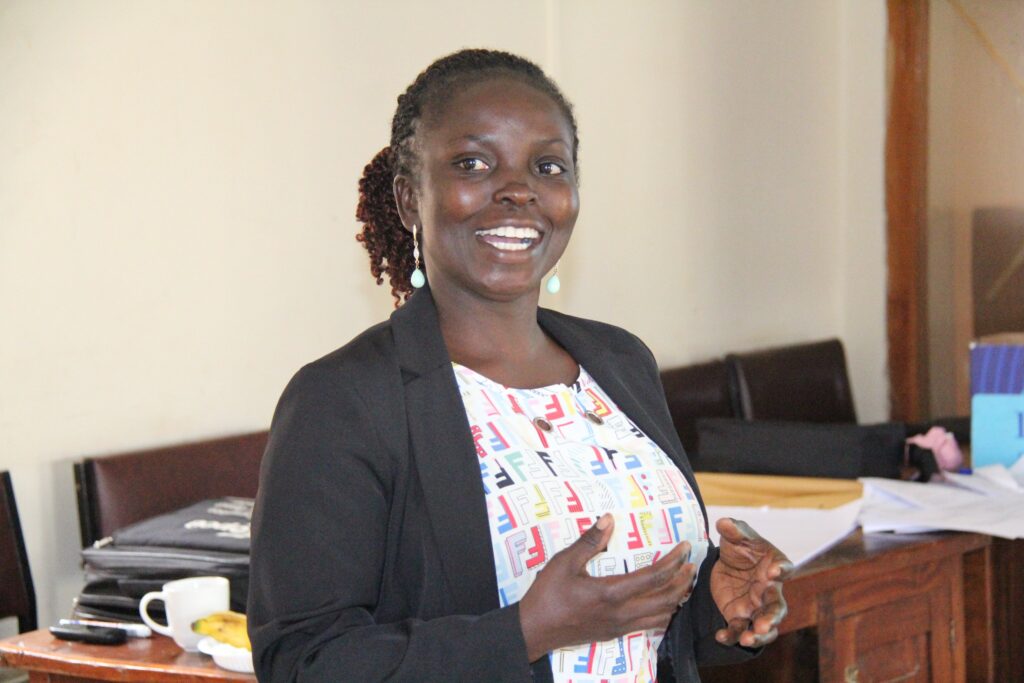
By Byamukama Alozious
As Uganda prepares for the 2026 general elections, the Uganda Media Women’s Association (UMWA) has intensified efforts to equip journalists with essential skills in election reporting, safety, and electoral laws. The training, held in Kampala and supported by the Finnish Foundation for Media and Development (VIKES), brought together 20 journalists from the central region to address knowledge gaps identified during a pre-training needs assessment.
Speaking at the workshop, UMWA Project Coordinator Catherine Apalat emphasised the urgency of preparing the media for the demanding electoral season.
“The most influential institution that holds power to account is the media. We found that many journalists, especially young ones, have never reported on elections or attended any related training. They need to understand electoral processes, laws, and safety measures before stepping into the field,” Apalat said.
The one-year “Women in Media” project targets journalists in Kampala, Lira, and Mbarara, aiming to promote diverse, inclusive, and ethical journalism that reaches even marginalised groups. UMWA will train 60 journalists across the three regions, with each group expected to cascade the skills to colleagues in their respective newsrooms.
Among the facilitators was Birungi Rebecca, the lead trainer on electoral laws. She emphasised the need for journalists to understand the legal framework surrounding elections.
“One of the biggest gaps we found was that many journalists are unfamiliar with laws guiding election coverage. If you don’t know the law, your own content can be used against you. For example, the Computer Misuse Act can be applied if you share information that incites violence. It’s not enough to quote legal sections — you must understand how to protect yourself while doing your job,” Rebecca explained.
UMWA’s Laila Ngarire reminded participants that their own safety must remain a top priority during election coverage. She urged them to adopt secure reporting methods, avoid sensationalism, maintain accuracy and balance, reject bribes, and consistently use fact-checking tools to enhance the credibility of their stories.
Participants described the sessions as eye-opening. Mandevu Johns, an online journalist from Luweero District attending his first-ever election reporting training, said the experience exposed important gaps in his work.
“I thought elections were easy to cover, but I’ve learned about areas I needed to improve, such as verification and fact-checking. I now know where to turn when I face challenges in the field, especially during elections,” Johns said.
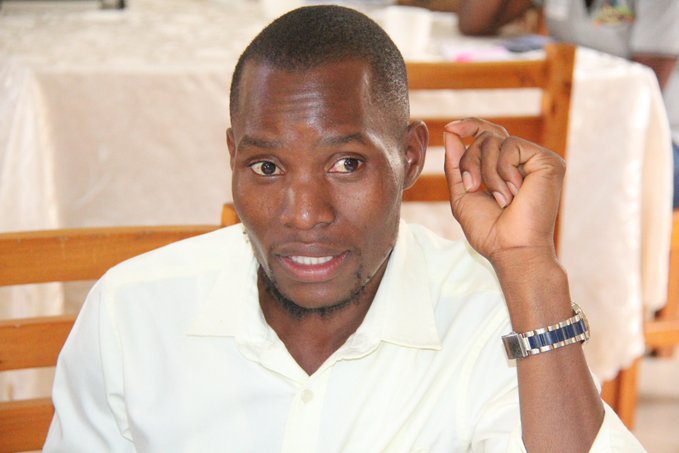
Amumpaire Sherina from Radio One shared personal experiences of harassment, restricted access to information, and lack of protective gear while covering political events.
“We have learned how to overcome such challenges and who to reach out to when they arise. The skills from this training will help us carry out our work independently and professionally,” she said.
Experts at the training also emphasised the role of the media in a healthy democracy, including setting the public agenda, acting as a watchdog, and amplifying the voices of marginalised communities such as youth and persons with disabilities — groups often overlooked in political coverage.
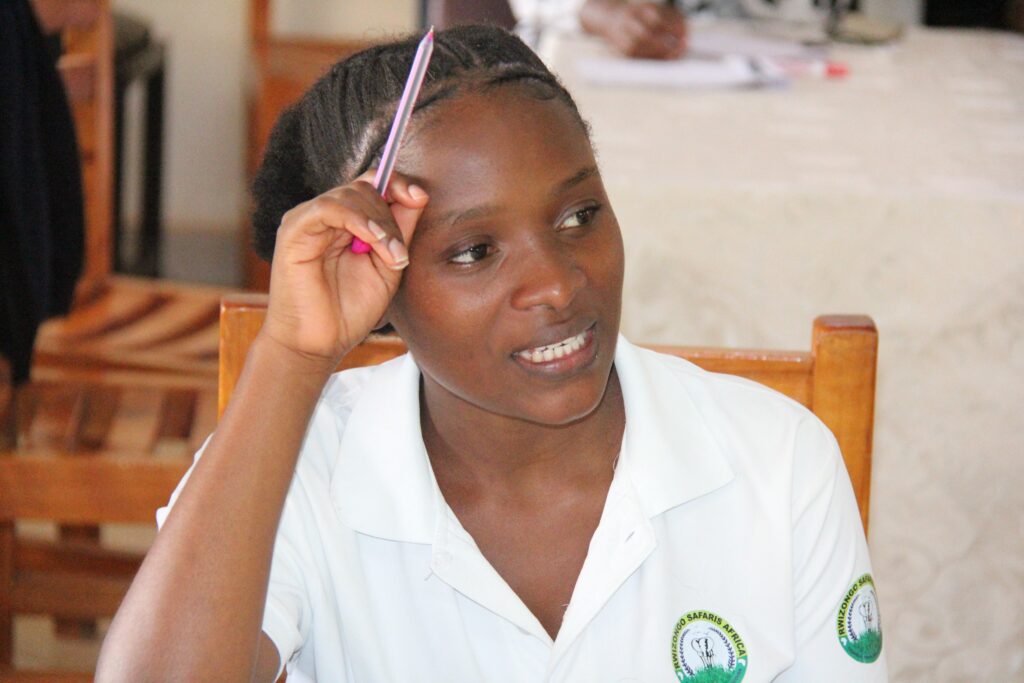
Peace Merisha Akello, a journalist and emerging young politician with ambitions to contest the presidency in the 2026 general election, noted that credible election reporting is essential for an informed electorate.
“When the media provides good election reporting, a country enjoys fairness, justice, and the voices of the marginalised are heard,” Akello said.
With less than a year to Uganda’s next polls, UMWA hopes that strengthening journalists’ capacity will lead to more accurate, balanced, and safe election coverage, ultimately fostering an informed electorate and a stronger democracy.