
 Mama FM
Mama FM
Mama FM
4 April 2026, 12:26 pm
By Byamukama Alozious
Uganda is intensifying efforts to manufacture its own diagnostic test kits for a wide range of diseases, in a strategic move aimed at reducing dependence on imports, strengthening health security, and advancing economic transformation. Anchored in the Buy Uganda Build Uganda initiative, the push reflects a growing national resolve to build a self-reliant health system driven by local science, industry and innovation.
For years, the country has relied heavily on imported diagnostic kits for diseases such as HIV, malaria, sickle cell disease, tuberculosis and other emerging infections. However, global supply disruptions and rising costs have exposed the risks of that dependence, pushing Uganda towards a new path—one that prioritises local manufacturing and national capacity.
This vision has long been championed by Yoweri Museveni, who has consistently argued that Uganda should only import what it cannot produce. His stance is aimed at reducing external reliance, breaking global supply monopolies, and building confidence in Ugandan scientists and manufacturers.
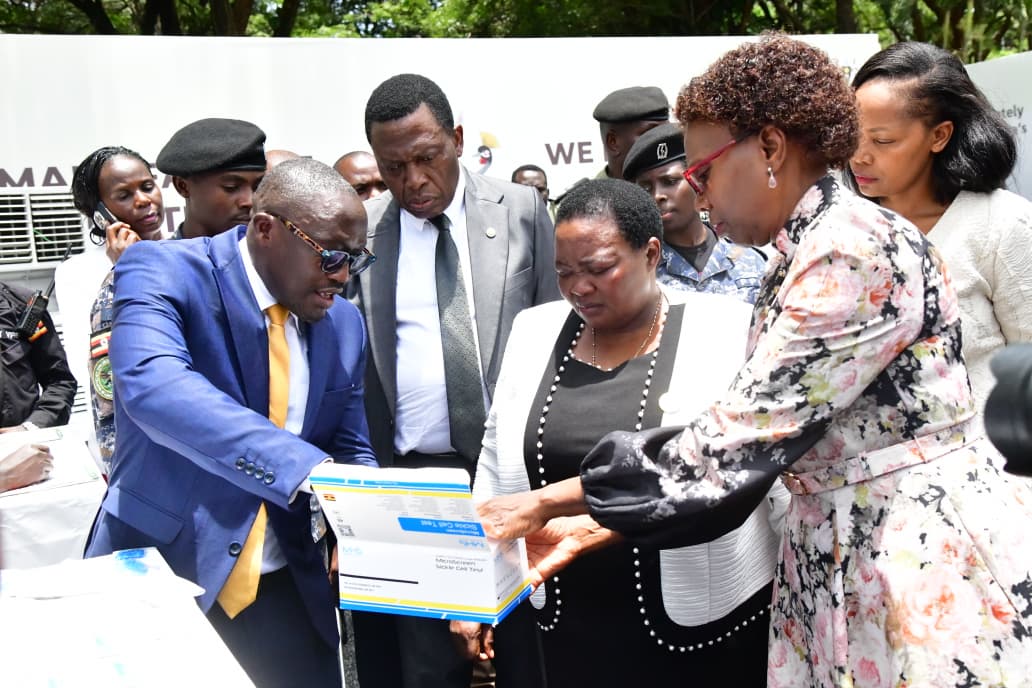
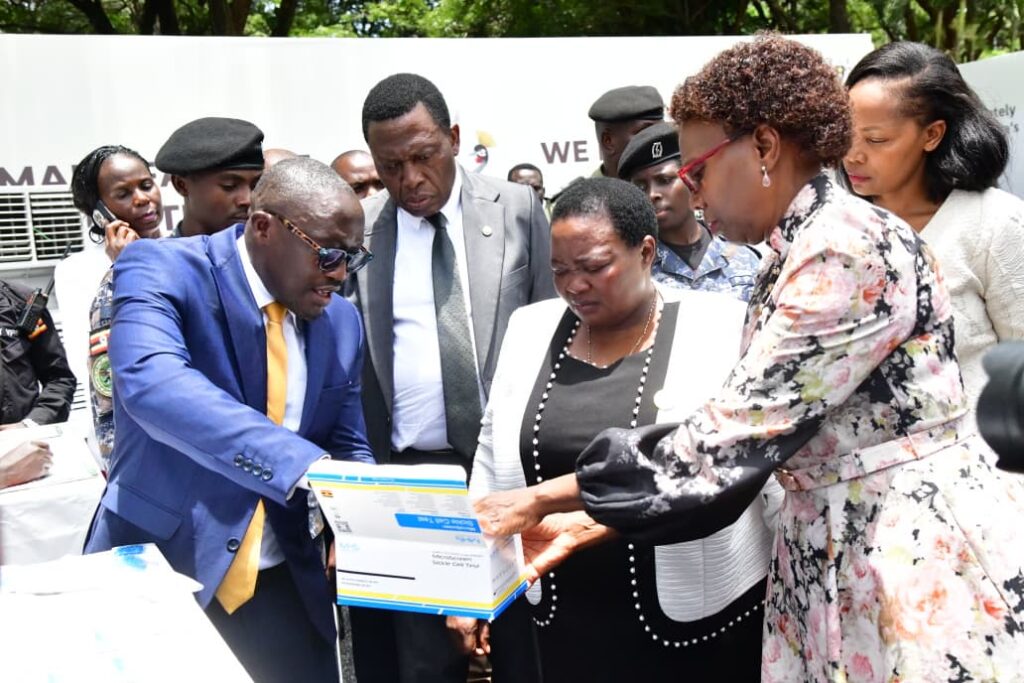
Across the country, a number of local health companies are already stepping into this space, signalling a quiet but important shift towards what many observers describe as a form of economic re-nationalisation of critical health technologies. Firms such as Microhaem Scientifics (MHS) and Jena Herbals, among others, are part of a growing ecosystem of local innovators working to produce medical and health-related solutions. While some are focused on diagnostics, others are expanding into therapeutics and herbal-based research, collectively strengthening Uganda’s domestic health industry.
Experts say this movement is not about closing Uganda off from the world, but about creating balance—where local production forms the backbone of supply, supported by strategic imports when necessary. This hybrid model ensures sustainability while safeguarding quality and access.
Prime Minister Robinah Nabbanja emphasised that the government is committed to supporting such enterprises through financing, infrastructure and policy reforms. “We must build our own capacity to respond to health challenges while growing our economy,” she noted.
Health Minister Jane Ruth Aceng and other senior officials, including Diana Atwine, have also backed the initiative, stressing the need for strong regulation, quality assurance and increased public procurement of locally made products.
The ongoing rollout is expected to bring together researchers, manufacturers and regulators under a coordinated national framework, ensuring that innovation moves from the laboratory to large-scale production.
According to Dr Susan Nabadda, the Commissioner for National Laboratories, the transition towards local manufacturing is deliberate and strategic. She emphasised that Uganda will not eliminate imports entirely but will prioritise what can be produced locally, especially for high-burden diseases such as HIV and malaria. This balanced approach, she noted, is key to ensuring sustainability while maintaining quality and reliability.