
 Mama FM
Mama FM
Mama FM
10 October 2025, 3:21 pm
By Kabali Paul
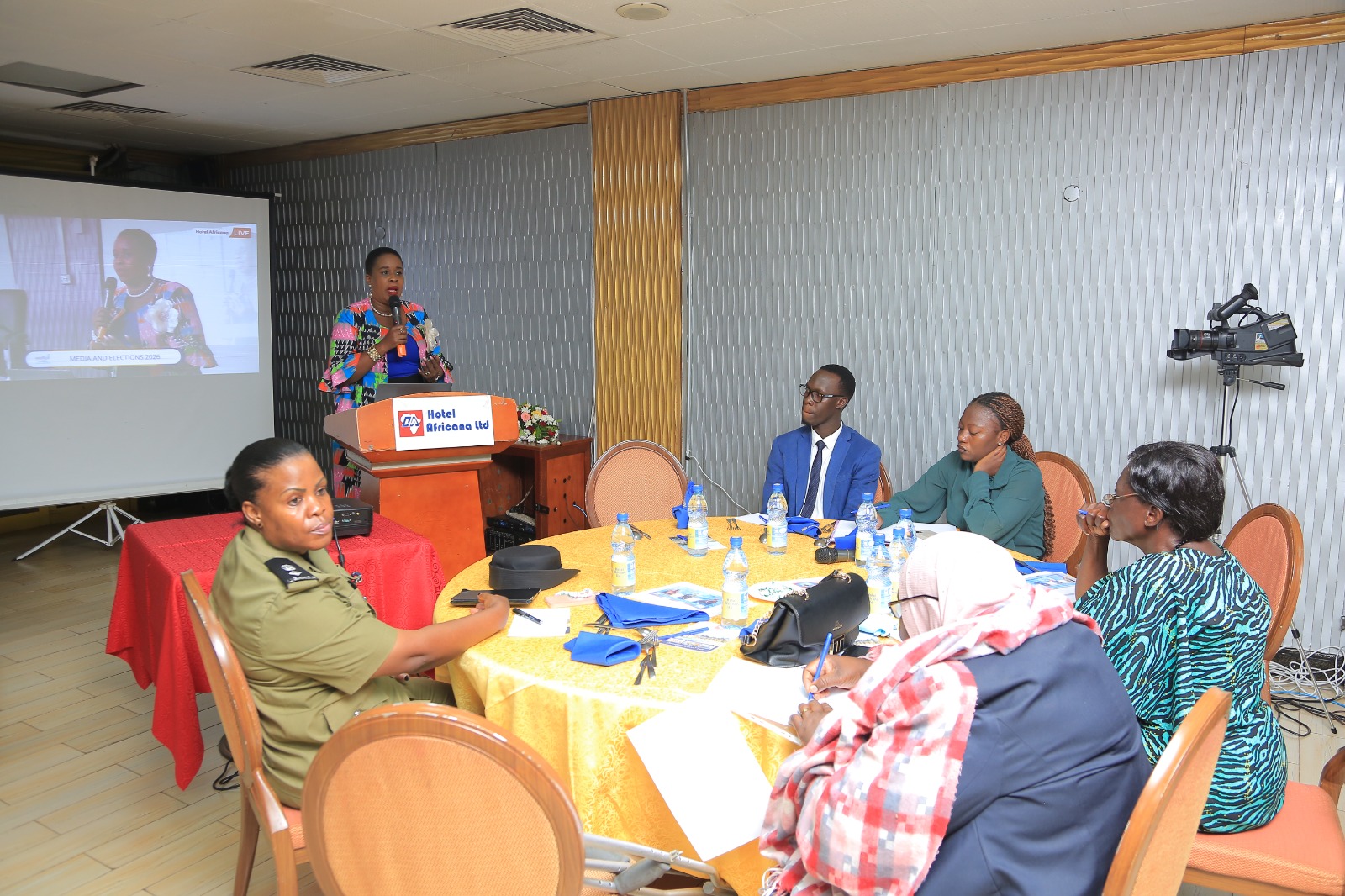
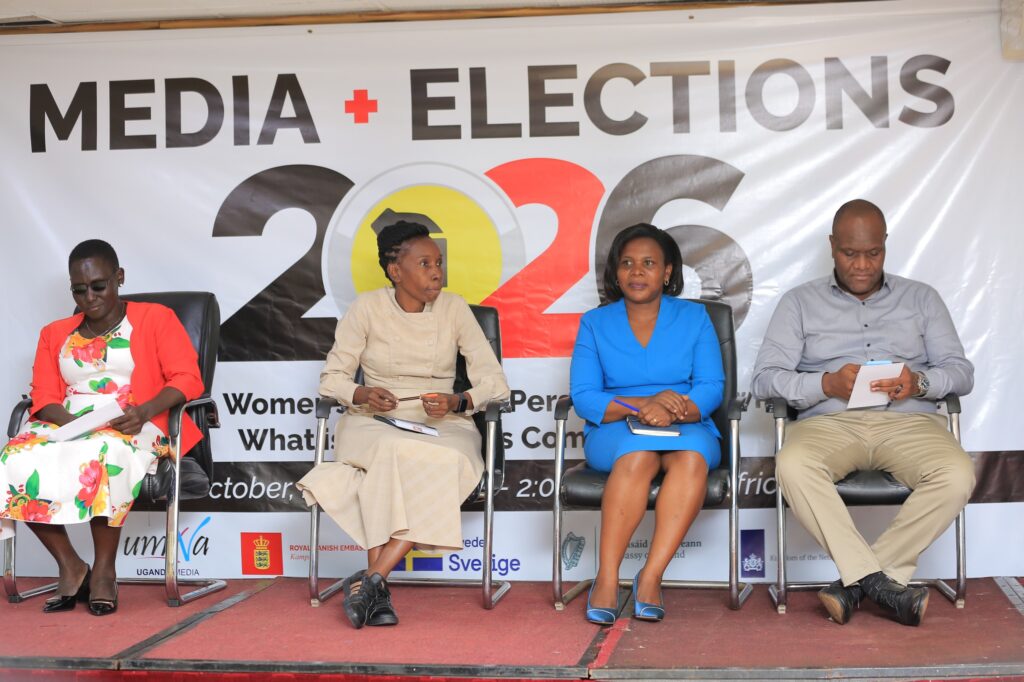
Uganda’s media fraternity has been put on notice by a coalition of activists, politicians, and civil society partners, who are demanding a radical overhaul of political coverage ahead of the 2026 general elections. At the recent Media and Elections Dialogue, hosted by the Uganda Media Women’s Association (UMWA), speakers exposed systemic biases against women in politics and called for an immediate commitment to a comprehensive “gender checklist” for all news content.
The dialogue underscored the broad concern over political inclusivity, with Frederik Kawooya, Senior Program Advisor at the Royal Danish Embassy in Uganda, emphasising the crucial stake of international partners: “Uganda’s political landscape is evolving but the true test of democracy lies in inclusivity.”

Priscilla Regina Nalwoga, an NTV Uganda anchor who moderated the event, challenged newsrooms to scrutinise their practices, citing damning figures from the Global Media Monitoring Project (GMMP) 2020 which found that women constitute only 15% to 17% of quoted sources in news. “When only five per cent of voices covered during a recent presidential nomination were women, it renders the absence of a female presidential candidate an afterthought, not a national crisis,” Nalwoga stated.

Media professionals were urged to adopt a more inclusive and equitable approach to political reporting. Central to this push is the Gender Checklist for Media Content, which outlines key areas where news coverage must improve to reflect gender sensitivity and fairness.
One of the foremost priorities is achieving breadth and depth of coverage through sourcing parity. This means ensuring that news content reflects a holistic, gender-balanced perspective by intentionally including both male and female voices. This stark underrepresentation distorts public understanding and undermines the visibility of women in political discourse. Newsrooms are called upon to bridge this gap and ensure diverse sourcing becomes the norm, not the exception.
The checklist also emphasises the need for equal opportunity for men and women to serve as news subjects and commentators, particularly in high-stakes political reporting. Media houses must work to eliminate systemic bias that disproportionately favors men, as seen in recent political coverage where 95% of quoted voices were male. By offering equal comment space, the media can help dismantle stereotypes and give women a rightful seat at the national conversation table.
Another critical area is the framing of story angles and the topics assigned to politicians based on gender. Too often, women are sidelined to “soft” topics such as family and lifestyle, while men dominate discussions on “hard” subjects like the economy, security, and foreign policy. The checklist demands that both male and female politicians be interviewed on an equal footing when it comes to serious, policy-driven matters. Stories should also go beyond surface-level reporting to explore underlying gender dynamics in political events.
In terms of visibility, the checklist calls for equal real estate in media platforms. Women’s policy positions, campaign achievements, and leadership milestones must receive the same level of exposure as those of their male counterparts. This includes fair placement in newspapers, equal airtime on radio and television, and prominent coverage across digital platforms. Media must be intentional in giving women’s political efforts the front-page and prime-time attention they deserve.
Finally, the checklist addresses the language and portrayal of women in the media, advocating for respect and autonomy in how female figures are presented. Journalistic language must be sensitive, constructive, and free from derogatory or patronising tones. Women should be depicted as leaders and professionals in their own right—not defined by their relationships to men. For example, identifying someone as “the wife of X” reduces her agency and is rarely mirrored in how male politicians are described. If marital status is considered newsworthy, it must be reported equally for all genders
Politicians decry sexism
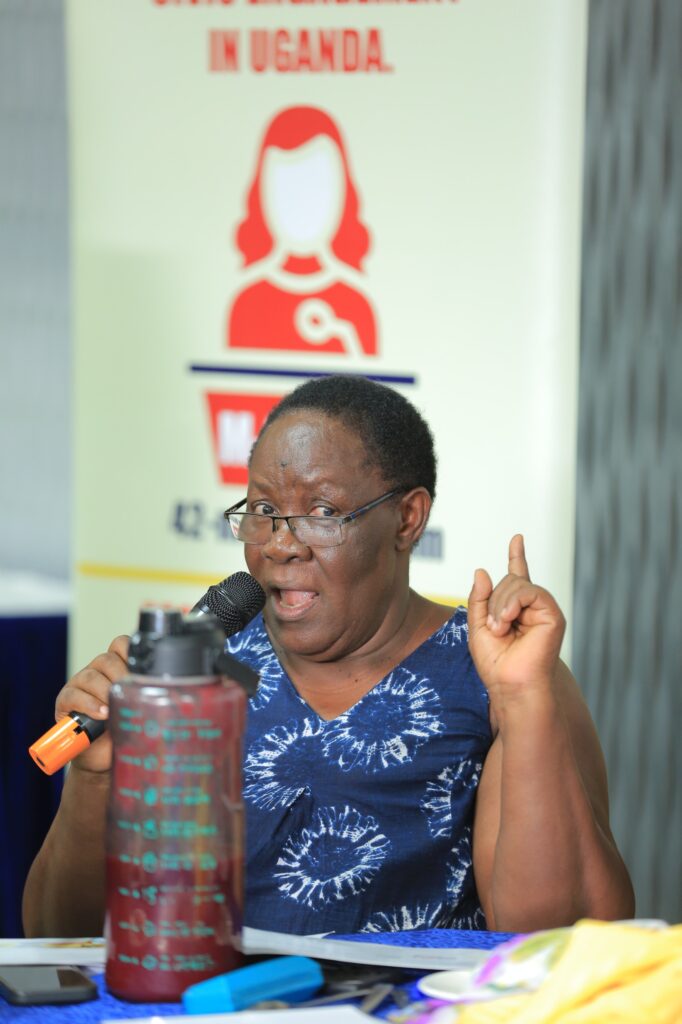
The dialogue provided a platform for women leaders to describe the hostility they face from the press. Joyce Bagala Ntwatwa, Woman MP for Mityana district, offered a powerful account: “The media has often portrayed female politicians in a sexist and unfair manner, unlike their male counterparts. Moreover, political parties have continued to offer fewer opportunities to women leaders, reflecting a persistent gender imbalance in politics.” UMWA Executive Director Margret B Sentamu stressed the need for a mindset shift, stating that behaviour is shaped by a culture that traditionally favours men over women. Charity Karebo Ahimbe Siwe, UMWA Board Chair, cited a 2016 UMWA study showing men dominating nearly 80% of political media space. Jean Ayikoru, a community development officer, added: “Instead of looking at the potential and ability you have, negative reporting and stereotypes appear.”
Commitments & legal mandate
Participants reaffirmed that gender equality in the media is a legal obligation under the Equal Opportunities Act. Speakers urged journalists and media owners to treat inclusive reporting not as an option, but as a requirement. Jean Ayikoru called for the law to be actively enforced, while Dr. Aisha Kayongo from the Uganda Police criticised the cycle of hosting workshops without tangible results. “We have discussions, but implementation is lacking. Women’s representation remains invisible because we focus on what is easy,” she noted.
To address these concerns and ensure fairer media practices ahead of the 2026 general elections, participants committed to four key actions. First, media houses pledged to implement the Gender Checklist, making it a standard part of editorial decision-making to ensure gender-sensitive and balanced reporting. Second, there was a commitment to increase the number of women used as news sources, particularly in political stories, to correct the current imbalance where men dominate media quotes and appearances.
Third, participants agreed to monitor and report gender bias in news content by setting up internal systems to track progress and encourage accountability. Lastly, the media fraternity vowed to strengthen gender representation within newsrooms by recruiting, mentoring, and promoting more women into senior editorial roles. These four commitments reflect a united pledge to turn policy into practice and ensure that Uganda’s media landscape becomes more inclusive, representative, and democratic in the lead-up to 2026.