
 Mama FM
Mama FM
Mama FM
1 May 2026, 8:55 pm
By Kabali Paul
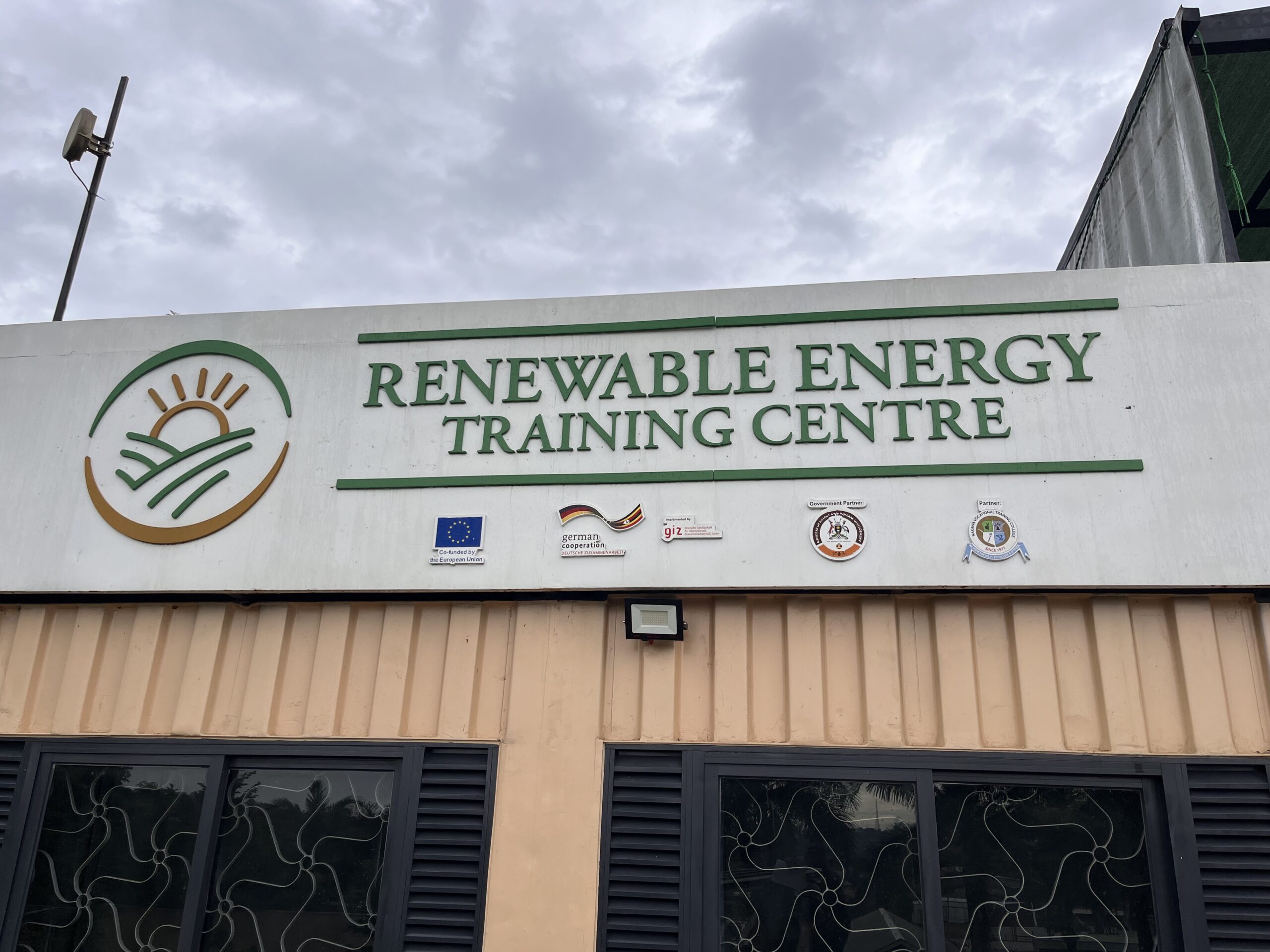
Uganda’s transition toward clean, affordable energy received a significant boost as the German Embassy in Uganda hosted journalists on a field excursion highlighting German Ugandan development cooperation in the renewable energy sector. The visit showcased two flagship initiatives in Kampala: The Renewable Energy Training Centre (RETC) and GoGo Electric, both supported through German and European Union partnerships.
The day-long tour, which began at 8:00 a.m. at the German Embassy, underscored Germany’s long-standing commitment to Uganda’s development. Speaking during the excursion, Philippe Roussel, Deputy Head of Development Cooperation at the German Embassy, emphasised the depth of bilateral ties:
“Germany has been a committed partner to Uganda for 62 years. In 2025 alone, we disbursed approximately 54 million euros in grants—not loans—equivalent to about 235 billion Ugandan shillings. Our focus remains on inclusive access to energy, sustainable green jobs, skills development, equal training opportunities, climate resilience, and fostering private sector partnerships.”
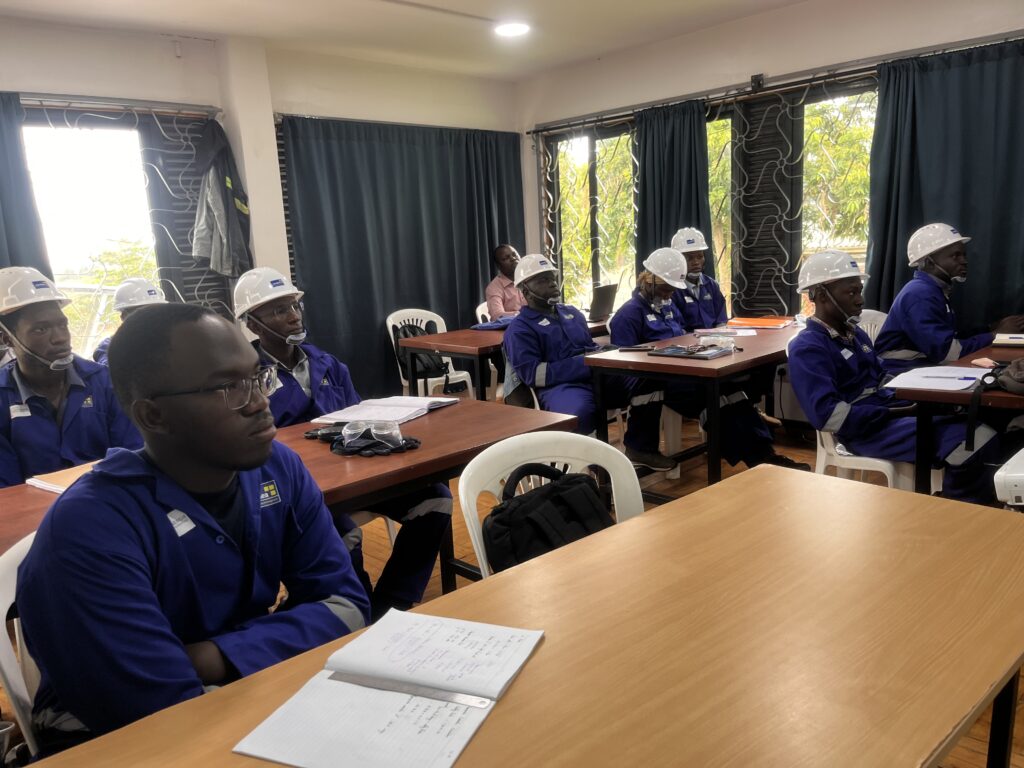
At the Renewable Energy Training Centre, journalists witnessed firsthand how technical capacity is being built to sustain Uganda’s growing renewable energy sector. The centre, supported by the Deutsche Gesellschaft für Internationale Zusammenarbeit (GIZ), plays a pivotal role in equipping technicians and policymakers with practical skills.
Dr. Nicholas Mukisa, Deputy National Coordinator of the National Renewable Energy Platform highlighted the centre’s impact: “Over 1,000 students—including government officials—have been trained in renewable energy technologies. This is critical for ensuring Uganda has the skilled workforce needed to support its energy transition.”
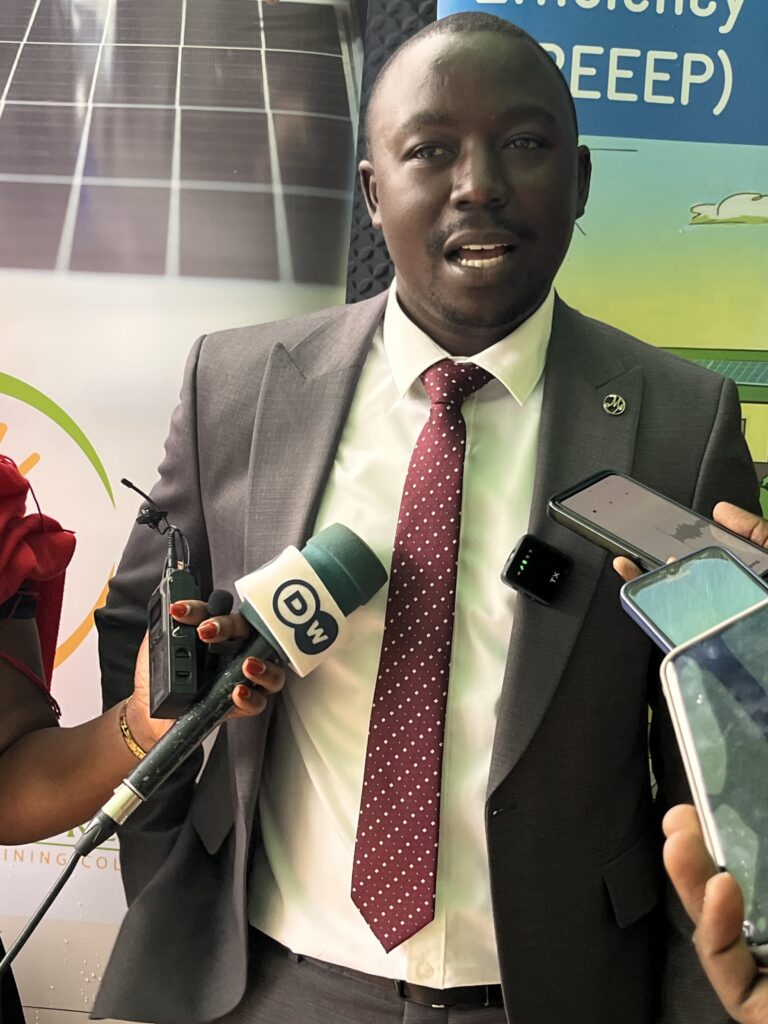
Complementing this, Dr. Paul Muhuura, Head of Research and Capacity Building at RETC, pointed to persistent challenges:
“While solar energy adoption is increasing across Uganda, there remains a shortage of skilled technicians to install and maintain these systems. Poor installation not only reduces efficiency but can also pose safety risks. Our work focuses on closing this skills gap.”
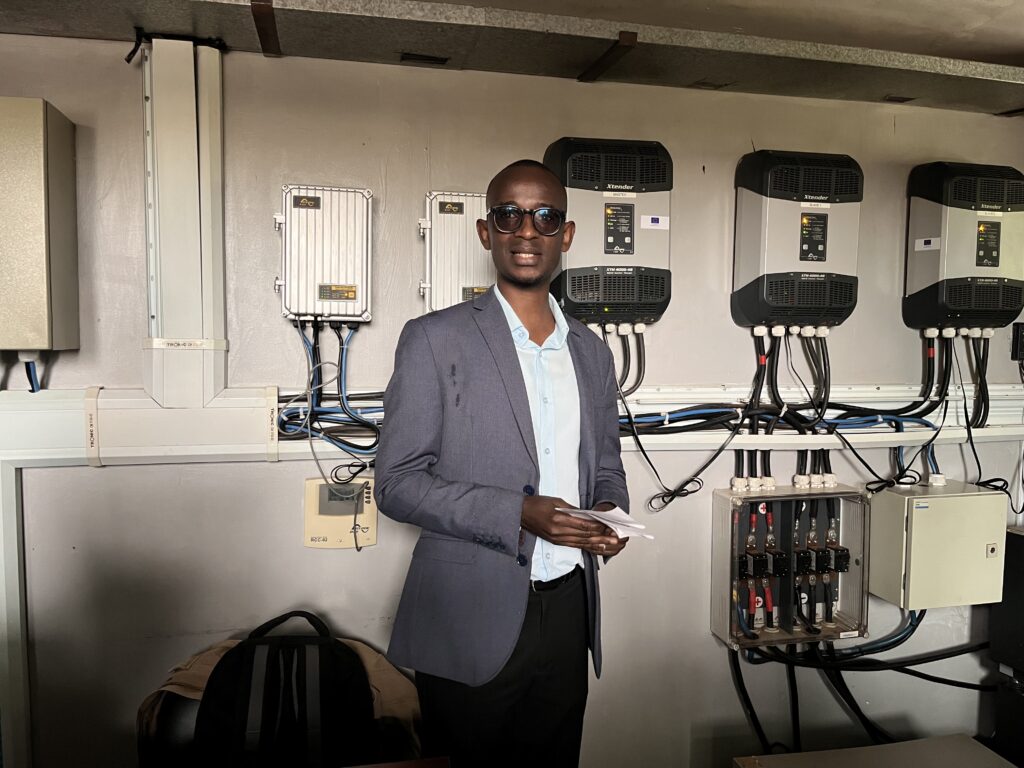
The second stop, GoGo Electric, demonstrated how innovation and private sector engagement are accelerating Uganda’s shift to clean mobility. The company has emerged as a key player in electric transportation, particularly in the motorcycle segment.
Jacob Hornbach, CEO and Director of GoGo Electric, shared the company’s progress:
“GoGo Electric has made significant strides in Uganda’s mobility sector. We are proud to be among the leading electric motorcycle manufacturers in the country, helping to reduce emissions while creating jobs and economic opportunities.”
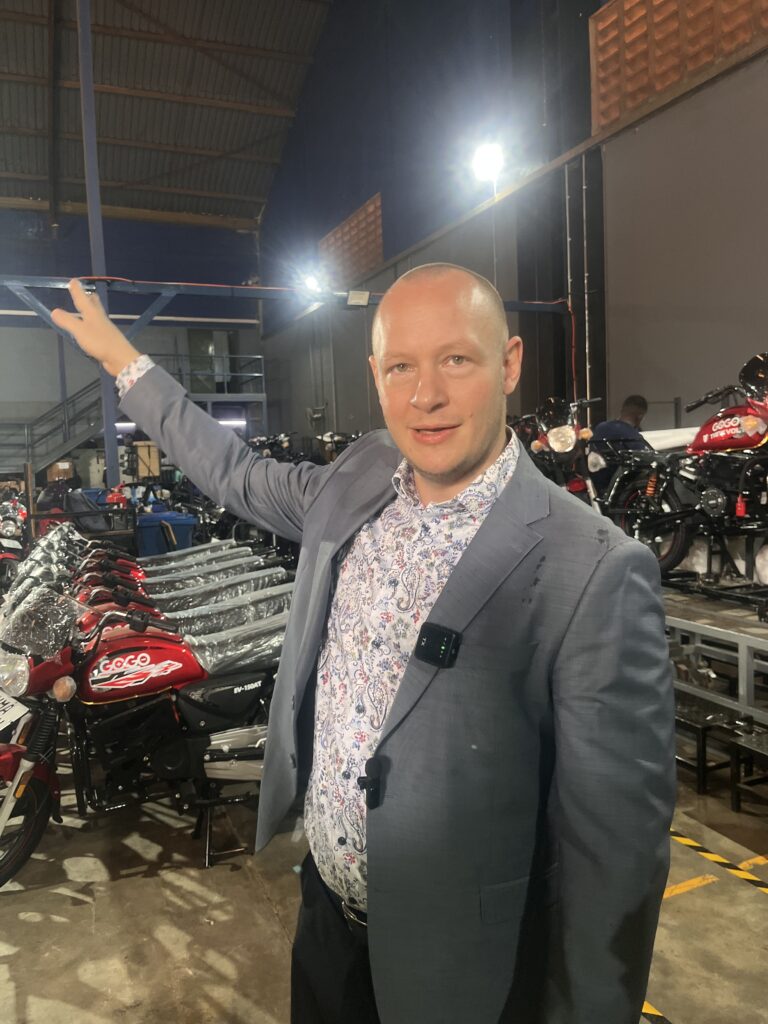
Both projects are co-financed by the European Union, reflecting a broader “Team Europe” approach to development cooperation. In a statement, EU Ambassador to Uganda, H.E. Jan Sadek, underscored the strategic alignment between financial and technical support:
“Through ElectriFI’s innovative risk capital and GIZ’s technical expertise, we are delivering a cohesive Global Gateway approach: de-risking private investment while ensuring Uganda’s e-mobility transition is locally driven, skills-focused, and scalable—both nationally and regionally.”
The initiatives visited during the excursion illustrate how development cooperation is evolving—from traditional aid to strategic investment in skills, innovation, and private sector growth. By combining grant financing, technical training, and entrepreneurial support, Germany and the EU are helping Uganda build a resilient, low-carbon economy.
As Uganda continues to expand access to renewable energy and modernise its transport systems, partnerships like these are expected to play a decisive role—not only in reducing emissions but also in creating jobs and empowering local talent.