
 Mama FM
Mama FM
Mama FM
24 April 2026, 12:47 pm
Byamukama Alozious
Uganda’s healthcare sector is undergoing a growing shift toward addressing a critical but often overlooked factor in patient outcomes soft skills such as communication, empathy, leadership, professionalism, and emotional intelligence among health workers.
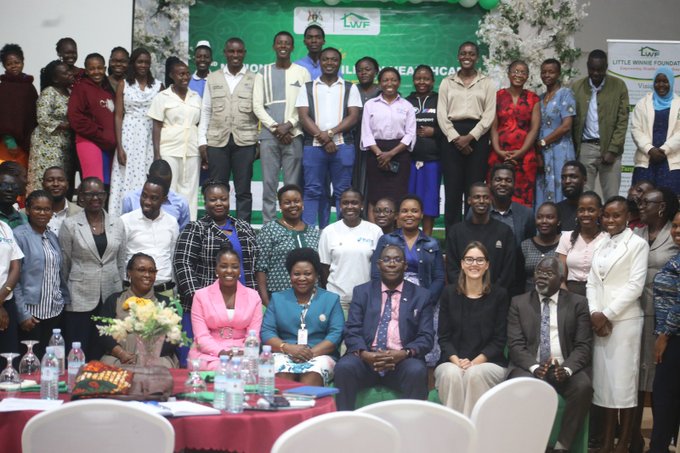
This message was strongly highlighted at the 2nd National Soft Skills in Healthcare Conference 2026, organized by the Little Winnie Foundation (LWF) in partnership with the Ministry of Health Uganda and several leading health training institutions. The conference took place on 23rd–24th April 2026 at Pope Paul Memorial Hotel in Ndeeba, Kampala.
The event was officially opened by the Minister of Health, Hon. Dr. Jane Ruth Aceng Ocero, and represented by Dr. Joseph Okware, Director of Governance and Regulation at the Ministry of Health, who emphasized the government’s commitment to integrating soft skills into the nursing curriculum to better prepare health workers for real-world patient care.
“We are working to ensure that nurses and health workers are not only clinically competent but also equipped with communication, empathy, and leadership skills that directly impact patient recovery and safety,” Dr. Okware said.
The conference comes amid increasing concern over Uganda’s healthcare system, which continues to face heavy pressure from workforce burnout, overcrowded health facilities, and gaps in non-clinical competencies that affect the quality of care.
Current health sector data presented at the conference shows that more than 70% of nurses report feeling under-equipped with essential soft skills, while over 60% of health workers in the region experience burnout. Globally, poor communication is also recognized as one of the leading causes of preventable medical errors.
Experts warned that while Uganda continues to improve medical infrastructure and equipment, the human side of care remains a major challenge affecting patient trust, safety, and treatment outcomes.
Speaking at the conference, **Ms. Stella Abigali Kisolo** of the Uganda Nurses and Midwives Council shared a personal reflection on her experience in nursing, highlighting the importance of compassion in care delivery.
“I used to receive patients brought in unconscious or abandoned. I would clean them, wash them, and dress them with love. The next day, people would come looking for me,” she said.
She added that nurses should maintain a positive attitude at all times, noting, “A nurse should carry a smile from morning to evening, because patients remember how you made them feel.”
Soft skills include professional appearance and cleanliness, where a clean uniform and proper grooming help build patient confidence from the first interaction. Communication was also highlighted as essential, with nurses expected to speak clearly, listen attentively, and explain treatment in simple language to reduce fear and confusion.
Patient care and empathy were described as the foundation of healing, with health workers urged to treat patients with dignity, kindness, and emotional understanding. Confidentiality was also emphasized as a key ethical requirement in protecting patient information and building trust.
Flexibility and adaptability were highlighted as critical in emergency and high-pressure situations, while welcoming behavior and positive attitudes were said to help reduce patient anxiety and improve overall experience in health facilities.
Health workers were also encouraged to prioritize self-care and emotional wellbeing to manage stress and prevent burnout, with experts noting that a healthy caregiver delivers safer and more effective care. Simple gestures such as smiling and maintaining a positive attitude were also emphasized as powerful tools that provide emotional reassurance to patients.
The 2026 edition brought together more than 300 healthcare professionals, policymakers, educators, and innovators to explore solutions including emotional resilience training, leadership development, mentorship systems, and financial wellness for health workers, and the growing role of artificial intelligence in healthcare delivery.
The Little Winnie Foundation, an accredited Continuing Professional Development (CPD) provider by the Uganda Nurses and Midwives Council, said it has trained more than 5,000 health workers since 2019 in patient-centered communication, leadership, mental health, and conflict resolution. It has also partnered with over 30 health facilities across Uganda to integrate soft skills training into workplace performance systems.
Foundation founder Winnie Nabukeera said the goal is to restore dignity in healthcare delivery. “Beyond every diagnosis is a human being who deserves compassion. By strengthening soft skills and supporting health worker wellbeing, we are improving both care and outcomes,” she