
 Mama FM
Mama FM
Mama FM
30 April 2026, 10:58 am
By Byamukama Alozious
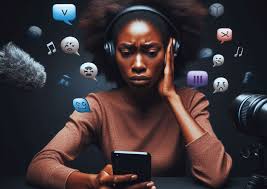
Online violence against women journalists is escalating at alarming levels worldwide, threatening press freedom, mental health, and women’s participation in public life, according to new findings from UN Women
A global report released ahead of World Press Freedom Day shows that reports of online violence to police have doubled since 2020, with 24.7 per cent of women journalists experiencing anxiety or depression linked to abuse, and nearly 13 per cent reporting post-traumatic stress disorder (PTSD).
The report, “Tipping Point: Online Violence Impacts, Manifestations and Redress in the AI Age,” highlights how digital attacks are becoming more targeted and sophisticated. Twelve per cent of women in public-facing roles report non-consensual sharing of intimate images, six per cent have experienced deep fake attacks, and nearly one in three have received unsolicited sexual messages.
These attacks are having a direct impact on journalism. Globally, 45 per cent of women journalists say they now self-censor on social media a 50 per cent increase since 2020 while almost 22 per cent limit their professional reporting due to fear of online abuse.
In Uganda, studies by the African Centre for Media Excellence show that women journalists especially those on television and covering politics face coordinated online harassment, including sexualised insults, body shaming, and attacks on their credibility. Research linked to the Uganda Media Women’s Association further highlights structural inequalities that worsen the situation, with women making up only about 25 per cent of news sources. As a result, some Ugandan women journalists avoid controversial topics, while others consider leaving the profession.
In the recent data, 22 per cent of women journalists’ globally reporting online abuse to police in 2025, up from 11 per cent in 2020, and nearly 14 per cent pursuing legal action compared to eight per cent five years ago. However, legal protection remains inadequate, as fewer than 40 per cent of countries worldwide have laws addressing cyber harassment, leaving 44 per cent of women and girls about 1.8 billion people without legal protection.
The warning is that the rise of artificial intelligence is worsening the situation by enabling more harmful and convincing forms of abuse such as deepfakes. UN Women notes that such trends are eroding hard-won gains in women’s rights and participation.
As the world marks World Press Freedom Day on 3rd May 2026, stakeholders are calling for urgent action, including stronger laws, platform accountability, and targeted support systems to ensure women journalists can work safely and freely. Without such measures, online violence will continue to silence women’s voices and weaken the role of media in democratic society