
 Mama FM
Mama FM
Mama FM
12 May 2026, 3:39 pm
By Byamukama Alozious
During a follow-up training organised by Uganda Media Womens Association, with support from danish Embassy in Uganda through the MSPACE Project, women leaders in Moroto District were equipped with practical media skills aimed at strengthening their ability to use media to amplify women’s voices and leadership. The initiative focuses on enhancing advocacy, visibility, and meaningful participation of women in decision-making spaces through more effective engagement with media platforms.
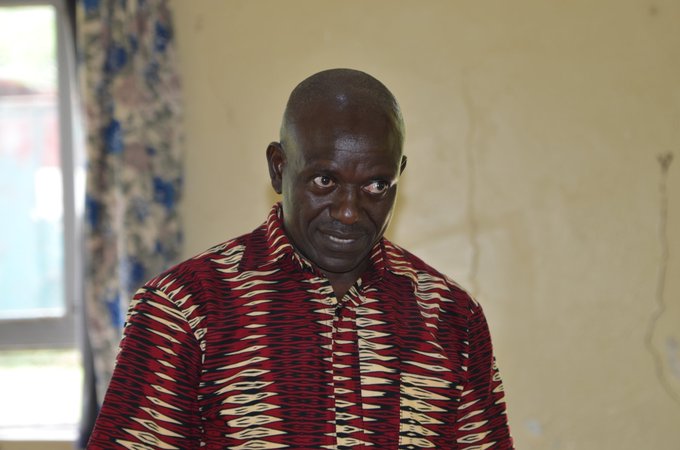
Radio personality and manager at Atekere fm ,Tweny James highlighted both the opportunities and persistent challenges facing community media in Moroto and the wider Karamoja subregion, particularly in relation to inclusion, sustainability, and gender representation.
He noted that media houses in Karamoja operate under severe financial and structural constraints that affect their day-to-day survival. According to him, high poverty levels significantly limit community support for radio stations, unlike other regions where local businesses and residents contribute through adverts, announcements, and sponsorships.
Despite strong listenership, he explained that sustaining operations remains difficult, as stations must consistently meet costs such as electricity, fuel, staff salaries, and other running expenses.
Tweny James also pointed to the withdrawal of some development partners and NGOs, which has further strained media support systems in the region.
“A number of organisations that used to support us have withdrawn. This has affected our operations, yet the radio must continue running day and night,” he noted.
Despite these challenges, he said Ateker FM has remained committed to promoting inclusion and gender balance in its programming, especially during elections and community dialogue spaces. He explained that the station deliberately creates space for women leaders who often face financial barriers compared to their male counterparts.
“Those with money tend to dominate politics, but we decided to offer free airtime to women leaders so they could also reach voters and share their messages,” he said.
He added that this approach has helped women engage more effectively with the electorate through radio talk shows and announcements, improving their visibility and participation in public affairs.
“We invited candidates on radio to talk to listeners, especially women who did not have resources. Some of them appreciated the opportunity because it gave them a voice they would not have had otherwise,” he added.
Tweny James also cited examples of how media exposure has supported local women entrepreneurs. He mentioned a woman in Moroto town involved in liquid soap production, training, and mobile money services, whose business gained wider recognition after being featured on radio.
“When she came on air and shared her work, it created visibility for her business. Today, she connects with customers across the region because of that exposure,” he said.
He concluded that despite economic hardships and operational constraints, community radio in Karamoja continues to play a critical role in promoting inclusion, amplifying women’s voices, and connecting hard-to-reach communities to information and opportunities.