
 Mama FM
Mama FM
Mama FM
11 May 2026, 5:15 pm
By Byamukama Alozious
Uganda’s healthcare sector is facing a growing shortage of nurses and midwives, with health leaders warning that the increasing population and overwhelming workload are affecting the quality of healthcare services across the country.
The concerns were raised during the first-ever Uganda National Nurses and Midwives Scientific Conference 2026 organised by the Association of Graduate Nurses and Midwives of Uganda (AGNMU)] where healthcare professionals also launched the Uganda Nurses and Midwives SACCO aimed at improving the economic welfare of nurses and midwives.
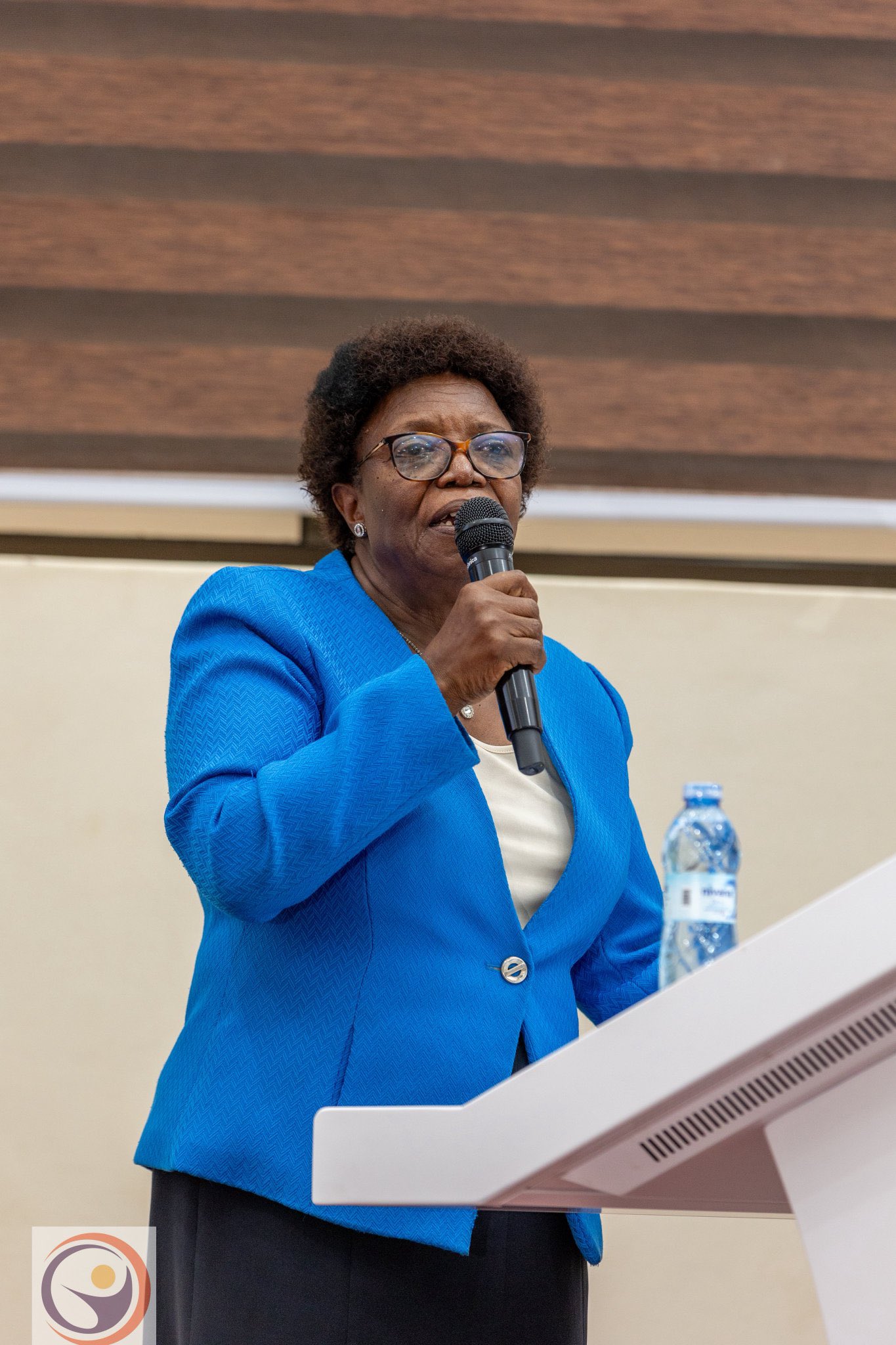
Delivering the keynote address as guest of honor, Prof. Mary Okwakol, the Executive Director of the National Council for Higher Education, emphasised the urgent need for competency-based education and training to prepare healthcare workers for modern healthcare demands.
Prof. Okwakol said Uganda’s higher education institutions are expected to fully align academic programs to Competency-Based Education and Training (CBET) by the 2027/2028 academic year in order to bridge the gap between classroom learning and practical workplace skills.
She explained that the reforms are intended to produce graduates who are competent, confident and ready to respond to real healthcare challenges, especially in nursing and midwifery.
“CBET is not just about changing the curriculum, but preparing professionals who are work-ready and capable of delivering quality services immediately after training,” she said.
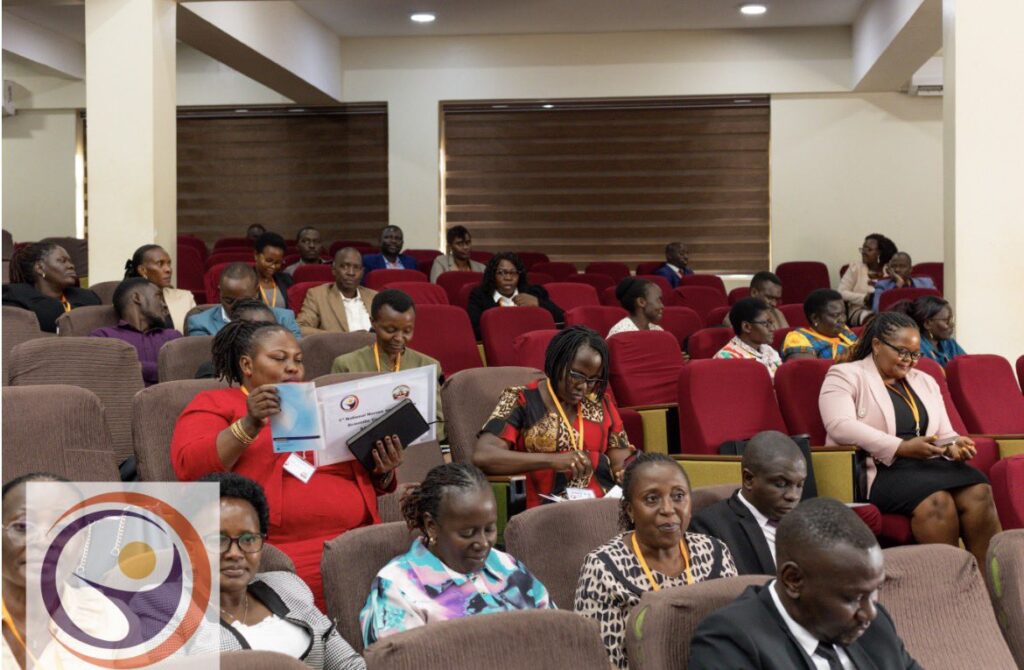
The conference, held ahead of International Nurses Day, brought together nurses, midwives, researchers, educators, students and policymakers from across Uganda to discuss healthcare leadership, workforce challenges and professional development.
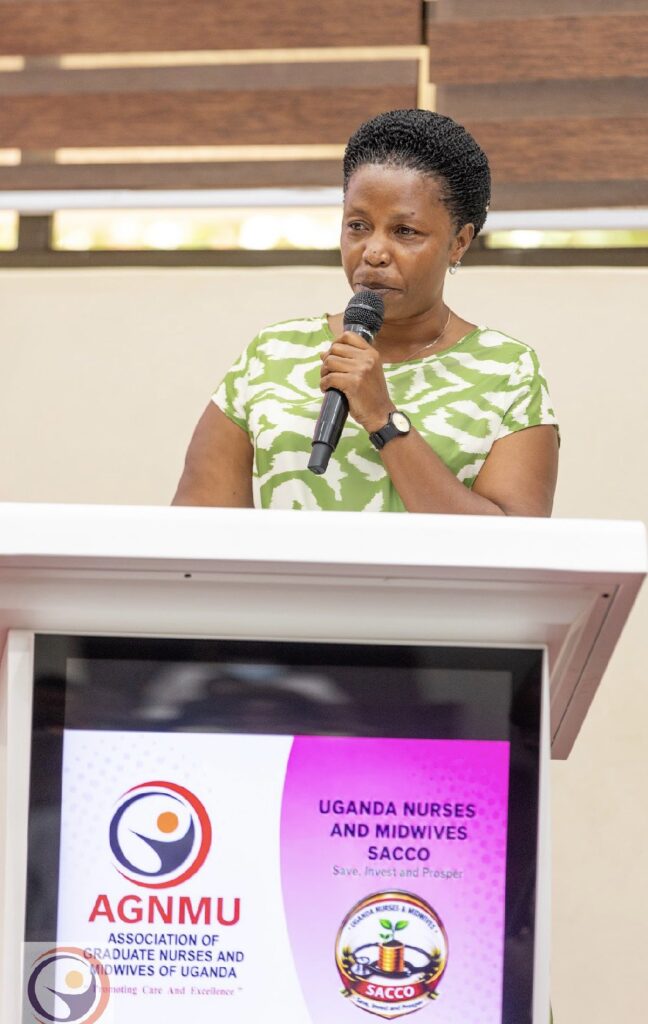
Speaking during the conference, Commissioner for Nursing and Midwifery Services Evelyn Kyomugisha warned that Uganda’s healthcare system is operating under severe pressure due to inadequate numbers of nurses and midwives despite the growing population.
“Population has increased, but nurses and midwives have not increased within the health system,” Kyomugisha said. “The number of mothers, babies and patients needing care is far higher compared to the number of nurses and midwives available to provide those services.”
She revealed that Uganda currently requires at least 13,000 additional midwives and about 11,000 more nurses to adequately respond to the country’s healthcare demands.
Kyomugisha added that the shortage has forced many healthcare workers to operate under difficult and exhausting conditions, affecting service delivery and patient outcomes.
“We are working in hardship and getting tired, and this affects the quality of care,” she noted. “We also need more specialised nurses in areas like critical care, immunology and maternal health to strengthen healthcare services.”
Health leaders at the conference also highlighted poor welfare and financial instability among nurses and midwives as one of the factors affecting motivation and retention in the profession.
In his opening remarks, AGNMU President and Conference Co-President Prof. Edward Kumakech called for greater recognition, empowerment and inclusion of nurses and midwives in shaping Uganda’s healthcare future.
He stressed that empowerment should go beyond academic and clinical excellence to include leadership opportunities, financial literacy and participation in policy-making processes.
“Our nurses and midwives are the backbone of the health system, serving in hospitals, universities and remote communities across Uganda,” Prof. Kumakech said.
One of the major highlights of the conference was the launch of the Uganda Nurses and Midwives SACCO, which has already attracted more than 300 founding members.
AGNMU Board Chairperson Cliff Asher Aliga described the SACCO as a major step toward addressing the long-standing financial struggles faced by many healthcare workers.
“For far too long, nurses and midwives have continued to face financial challenges despite their tireless service to the nation,” Aliga said.
According to Aliga, the SACCO will provide affordable loans, savings opportunities and investment support to help members improve their livelihoods, finance education, support their families and establish income generating projects.
He said improving the welfare of healthcare workers would reduce stress, improve job satisfaction and ultimately contribute to better patient care.