
 Mama FM
Mama FM
Mama FM
12 May 2026, 2:47 pm
By Byamukama Alozious
In Karamoja region, journalism continues to operate under severe pressure shaped by poverty, insecurity, weak infrastructure, and persistent inequalities in media representation. With poverty levels estimated at about 74% and literacy at around 30%, access to information remains limited, and press freedom is often exercised under difficult social and economic conditions.
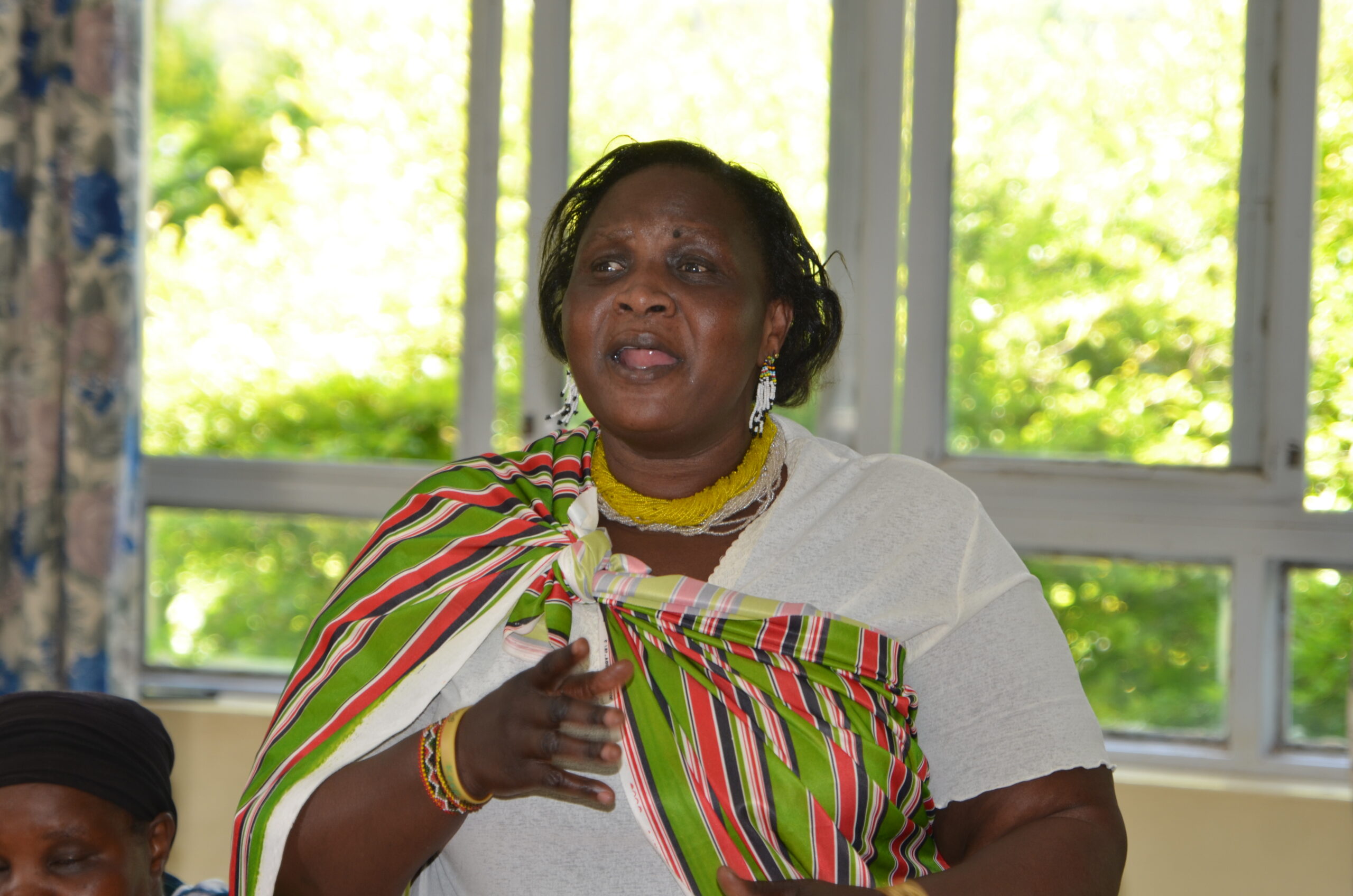
These challenges were reflected during a session on World Press Freedom Day in karamoja, where journalists and women leaders gathered to review lessons from earlier Gender Sensitive Reporting and Media for Accountability training conducted in the region by the Uganda Media Women’s Association (Uganda Media Women’s Association). Uganda media womens association, with support from Danish embassy in Uganda through the MSPACE Project, are conducting a follow-up training for women leaders in Moroto District aimed at strengthening their capacity to effectively use media to amplify women’s voices and leadership. The initiative seeks to empower participants with practical media skills to enhance advocacy, visibility, and participation in decision-making spaces.
Speaking during the reflection session, media and gender advocate Margaret Ssentamu emphasised that press freedom cannot be separated from inclusion and equality in society. She questioned the meaning of media freedom when women’s voices remain largely excluded, noting that gender balance is central to credible journalism. She highlighted that although women make up about 51 percent of Uganda’s population, only around 23 percent of their voices are reflected in media reporting, pointing to a continued gap in representation despite existing gender policies.
Journalists also reflected on experiences from recent electoral processes, noting that while women participated actively, the media environment was affected by intimidation of journalists, delayed voter registers, and the influence of money in politics. These factors, they said, weakened fairness in reporting and limited the ability of journalists to fully exercise press freedom during sensitive political periods.
In the same discussions, participants raised concerns about the broader media environment in Karamoja, where low pay and harsh working conditions continue to affect journalists. Many reporters operate without stable contracts and rely on limited facilitation, which raises concerns about independence, especially when covering politically sensitive or conflict-related stories. Combined with weak infrastructure, poor road networks, and limited internet access, these conditions make news gathering slow and often incomplete.
Radio remains the dominant platform for information sharing in the region, and presenters play a key role in shaping public debate. A representative from Ateker FM, commonly referred to on air as Atekere, was highlighted as part of the reflection on how community radio has become a critical space for dialogue between citizens, leaders, and journalists. Through such platforms, issues of insecurity, service delivery, and governance are discussed, although participants noted that ownership influence and political pressure can still shape editorial choices.
Women journalists and media practitioners also shared their experiences. Tweny James of Ateker FM noted that the station has made efforts to ensure equal representation of both women and men in reporting, even in politically sensitive contexts. Similarly, journalist Mouren Yiga shared that she intentionally seeks out marginalised voices, including persons with disabilities, to ensure more inclusive storytelling in her work.
Women leaders who participated in the reflection session appreciated the ongoing training supported by UMWA and Mama FM, saying it has improved engagement between media and communities and strengthened their ability to use media platforms. However, they also noted that challenges persist, including continued misrepresentation of women in media coverage and limited participation of women in some local decision-making spaces.
Participants further expressed concern over the weakening visibility of some press freedom and journalist support organisations, alongside rising operational pressures and taxation challenges affecting media houses. These issues, they said, are increasingly affecting the sustainability of independent journalism in the region.
Despite these challenges, the reflection in Moroto pointed to gradual progress. Journalists reported a growing commitment to gender-sensitive reporting and more deliberate efforts to include diverse voices in news coverage. However, they stressed that in a context where insecurity, poverty, and limited infrastructure persist, press freedom in Karamoja remains fragile and unevenly experienced, and requiring continued support to ensure that journalism serves all members of society fairly and inclusively.