
 Mama FM
Mama FM
Mama FM
14 May 2026, 2:41 pm
By Byamukama Alozious
Aga Khan University has intensified efforts to strengthen Uganda’s fight against cancer as new data indicates a growing national burden affecting thousands of families across the country.
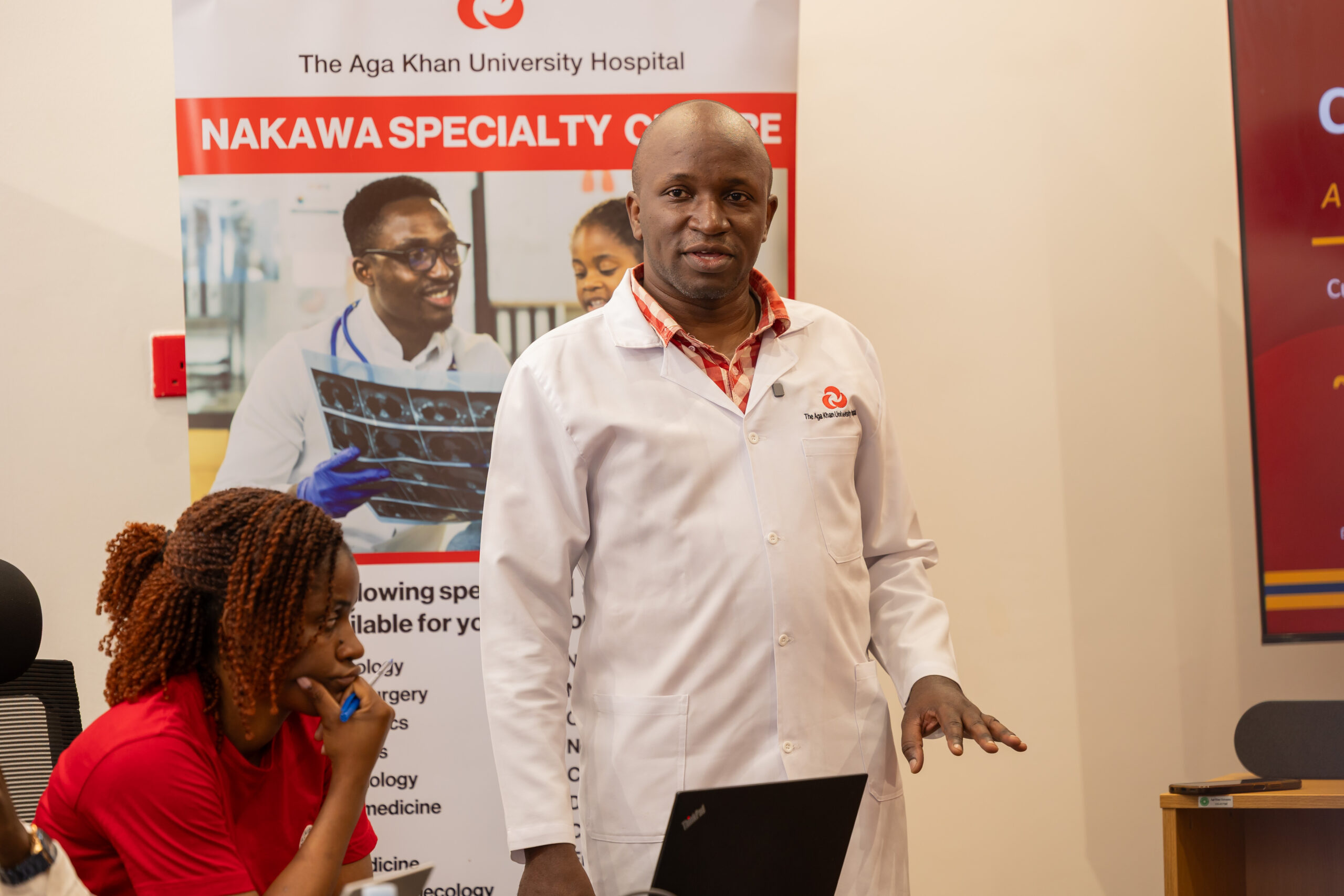
During a media engagement on cancer awareness, Dr Deo Ssenkumba said many cancers in Uganda are still detected at late stages because patients rarely go for routine screening and often seek care when the disease is already advanced. He warned that lifestyle factors such as early sexual activity, multiple sexual partners, obesity, smoking, and poor diet are increasing cancer risk, particularly for cervical cancer, which is strongly linked to HPV infection.
Uganda is currently facing a rising cancer burden, with health experts estimating about 35,968 new cancer cases annually and around 24,629 deaths each year. More than 77,028 people are living with cancer, and women account for approximately 56% of all cases. The country also recorded about 34,008 new cases and 22,992 deaths in 2020 alone, confirming cancer as one of Uganda’s fastest-growing non-communicable diseases.
Cervical cancer remains the leading cancer among women, with an incidence rate of 48 per 100,000 and the highest mortality rate among all cancers in the country, strongly linked to HPV infection and HIV co-infection. Among men, prostate cancer accounts for about 25% of all male cancers, while oesophageal cancer is rising at about 2.7% annually, and Kaposi’s sarcoma is gradually declining due to improved HIV treatment coverage. Health experts also highlight significant regional disparities, with Central Uganda—particularly Kampala—reporting cancer rates more than twice those in Eastern Uganda due to urban lifestyles, improved diagnosis, and higher risk exposure.
“We want people to have access to cancer treatment and diagnosis at subsidised rates. Aga Khan is not for the rich; it is for everyone,” said Dianah Ssewanyana during the engagement, adding that the hospital is expanding awareness campaigns to improve early screening and prevention of common cancers.
Cancer affects different age groups in distinct patterns. Children under 15 are commonly affected by retinoblastoma, kidney cancer, non-Hodgkin lymphoma, and leukaemia, while young adults aged 20–39 are most affected by Kaposi’s sarcoma, which remains the leading cancer among young men. In middle age, women are mainly affected by breast and cervical cancers, while oesophageal cancer becomes increasingly common in both men and women. Among older adults aged 65 and above, prostate cancer is the leading cancer in men, while women are mostly affected by cervical, breast, and stomach cancers.
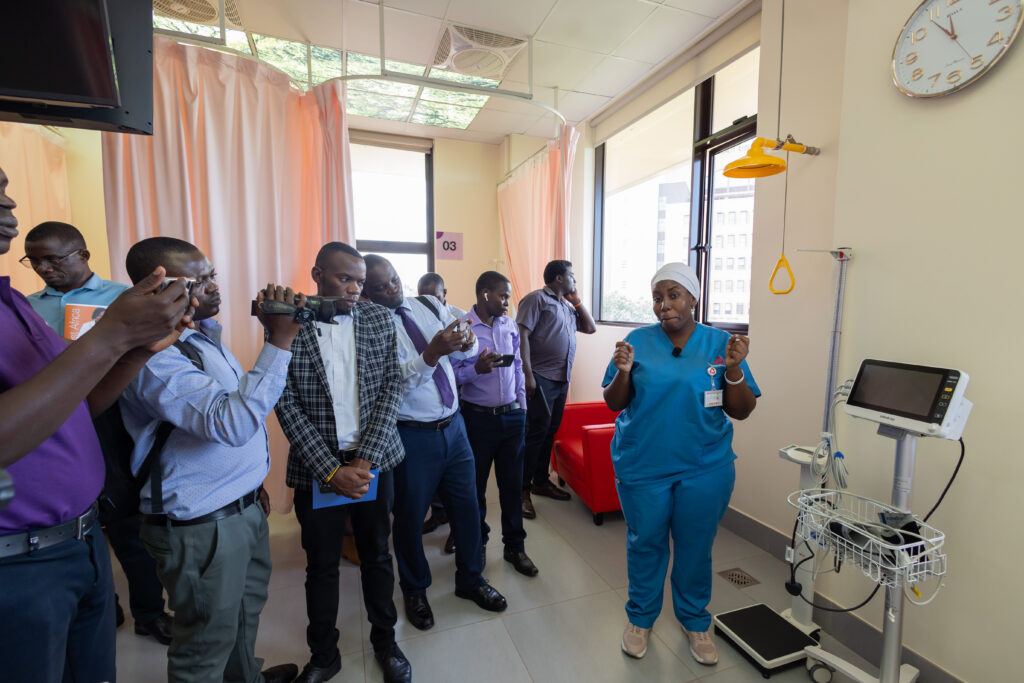
Top cancers among women in Uganda include cervical cancer, breast cancer, oesophageal cancer, ovarian cancer, and Kaposi’s sarcoma, with cervical cancer remaining the most severe due to its high incidence and mortality, largely driven by HPV infection, HIV co-infection, and late diagnosis. Health experts say cervical cancer is largely preventable through HPV vaccination, screening, and early treatment, and could be eliminated if Uganda fully implements the 90-70-90 strategy involving 90% HPV vaccination coverage for girls by age 15, 70% screening coverage for women aged 35 to 45, and 90% treatment of detected cases.
Despite this growing burden, Uganda continues to rely heavily on a single major cancer treatment centre, the Uganda Cancer Institute, which serves more than 48 million people, resulting in delays in diagnosis, long travel distances, drug shortages, and late presentation of patients when the disease is already advanced. The university is currently constructing a mega, state-of-the-art hospital on more than 60 hectares of land in Nakawa, Kampala. The development is expected to expand specialised healthcare services by 2028, including general treatment, research, and medical training across Uganda and the wider East African region, while also attracting patients from neighbouring countries such as Rwanda, Tanzania, and the Democratic Republic of Congo, and reducing medical tourism to Kenya.