
 Mama FM
Mama FM
Mama FM
2 December 2025, 10:21 am
By Byamukama Alozious
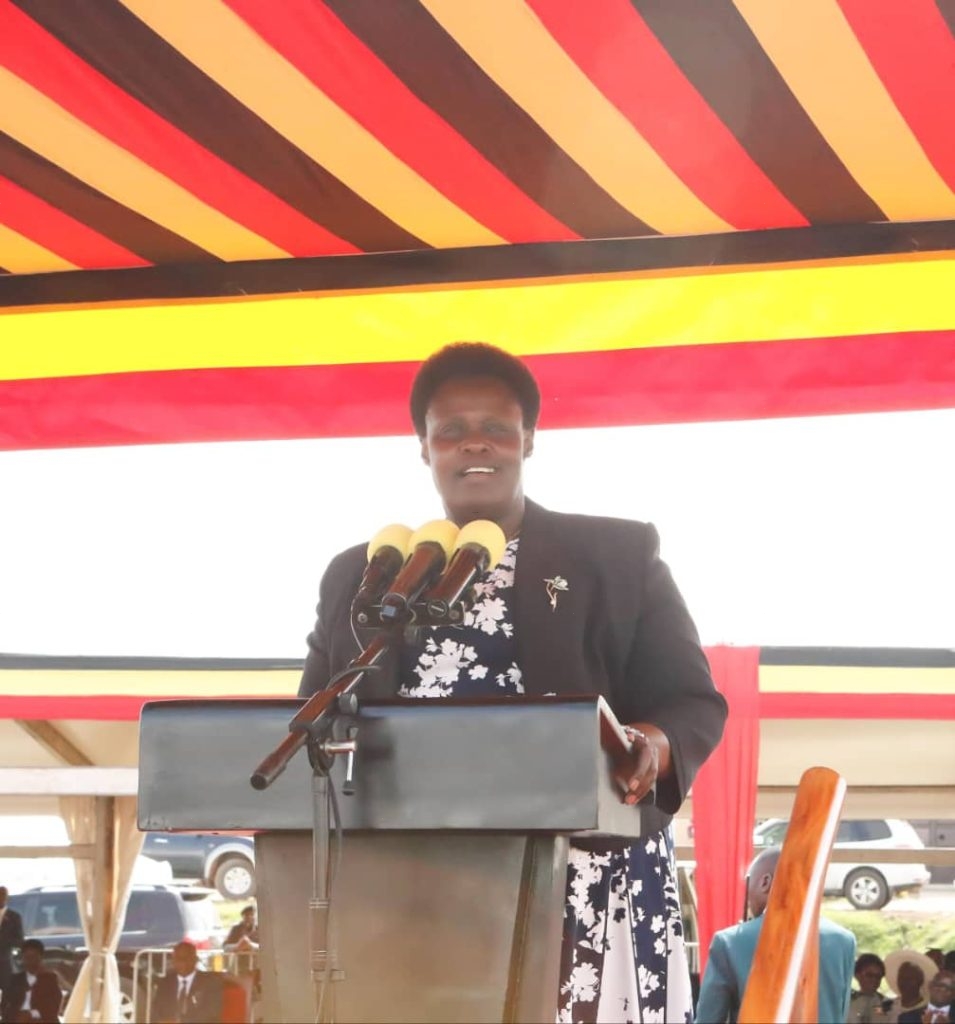
Uganda on Monday commemorated World AIDS Day in Kizinda Town Council, Bushenyi District, with President Yoweri Kaguta Museveni urging the country to “remain vigilant” and protect itself against HIV. The message, delivered on his behalf by Vice President Jessica Alupo, emphasised prevention, responsible behaviour, treatment adherence, and national commitment to ending AIDS by 2030.
Museveni reminded the nation that, although Uganda has made tremendous progress in reducing HIV prevalence from 18 percent in the 1990s to 5.1 percent today, the epidemic remains a serious threat, with 1.5 million Ugandans living with the virus.
He reaffirmed the government’s commitment to closing funding gaps that currently burden HIV programmes, noting that Uganda will not rely on donors alone. “We are winning the war,” he said, citing UNAIDS data showing that 94 percent of Ugandans living with HIV know their status, 90 percent are on treatment, and 96 percent are virally suppressed. The President also commended the Uganda AIDS Commission for spearheading HIV prevention efforts.
The national event was held in Bushenyi, a district authorities say has become a hotspot for new infections. District Chairperson Jaffari Basajjabalaba appealed to the government to establish an additional health facility in the area, noting that the community currently lacks a centre capable of managing the growing HIV burden.
Uganda AIDS Commission Director-General Dr Nelson Musoba echoed the urgency, warning that while progress is evident, new infections—estimated at 38,000 in 2023, a 61 percent decline since 2010—remain unacceptably high.
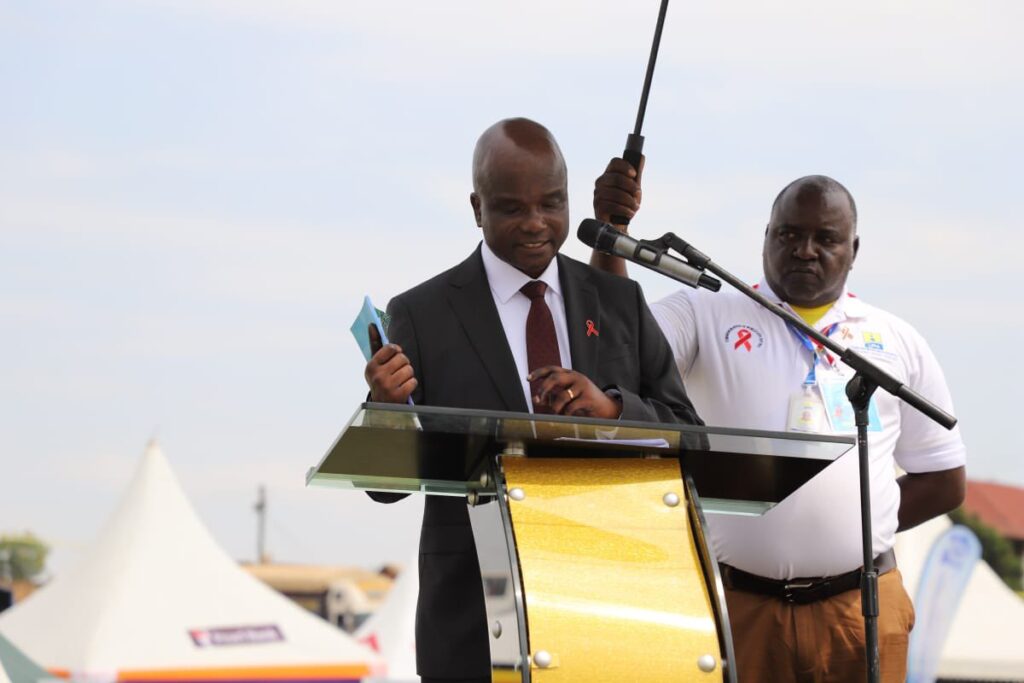
The Ministry of Health highlighted condom use as one of the most effective prevention tools, reporting that 207 million condoms were distributed in 2024–2025. Boniface Epoku, who heads condom programming at the ministry, called for a combination prevention approach that includes condoms, PrEP, behaviour change, and the prevention of mother-to-child transmission. President Museveni’s Presidential Fast-Track Initiative continues to drive efforts for Uganda to reach the 95-95-95 targets and eliminate mother-to-child transmission by 2030.
At the event, long-time HIV advocate Rtd. Maj. Rubaramira Rurangaranga, who has lived with HIV for 44 years, urged Ugandans to act responsibly to prevent transmissions. He emphasised that the battle can only be won if individuals take charge of their own health. Civil society leaders, including UGANET’s Angel Kyakunzire, expressed concern about increasing stigma, particularly online, and warned that funding gaps and challenges in service integration were putting patients at risk.
Uganda’s HIV burden varies sharply by region, with West Nile at 2.3 percent, Acholi at 7 percent, Karamoja at 1.4 percent, Lango at 5.8 percent, Teso at 3.3 percent, Kampala at 5.6 percent, South Buganda at 7.5 percent, and Ankole at 6.3 percent. Some urban centres, particularly Mbarara, which registers 14.4 percent, are far above the national average. Religious leaders, led by Bishop Rt. Rev. Johnson Twinomujuni, called on the government to empower communities to address the epidemic.