

 Mama FM
Mama FM
Mama FM
10 December 2025, 10:05 pm
By Annet Nakato
Feminist movements across Uganda and the wider region are grappling with a rapidly shifting landscape marked by rising violence against women and girls (VAWG), shrinking civic space, intensifying climate crises, and an alarming surge in digital and online violence.
These challenges come at a time when coordinated action, collective resilience, and solidarity among feminist organisations are more critical than ever.
Civil society groups report that budget cuts and shifting donor priorities have significantly undermined feminist programming, disrupting long-standing initiatives and reducing opportunities for advocacy on women’s and girls’ rights.
Women human rights defenders are also facing heightened surveillance and targeted harassment, particularly on digital platforms, creating new risks for activists and the communities they support.
Advocates warn that the combination of reduced funding, increasing online hostility, and climate-induced insecurity demands bold, adaptive, and feminist-led strategies. “As the pressures grow, from digital violence to climate disasters, we must reimagine feminist futures built on justice, equity, and environmental sustainability,” feminist leaders note.
These realities form the backdrop to this year’s 2025 16 Days of Activism Against Gender-Based Violence, a global campaign that invites renewed reflection on the state of feminist organising and the strategies needed to sustain movements.
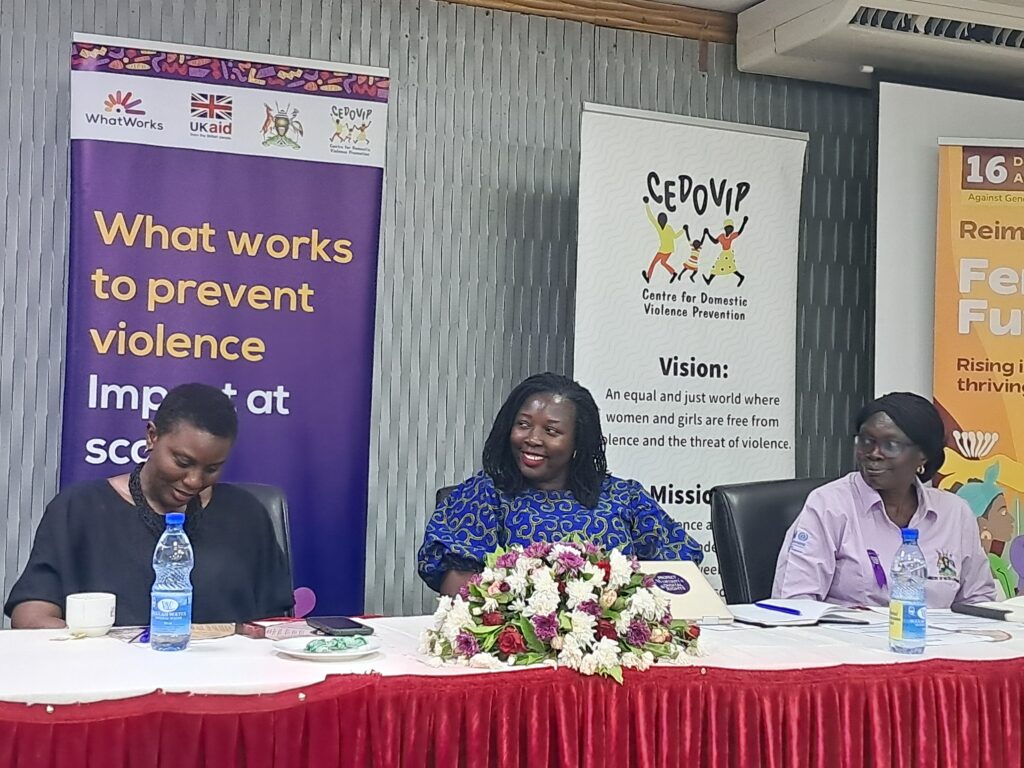
During a high-level dialogue held at Hotel Africana in Kampala, members of the Domestic Violence Act Coalition—which includes Women of Uganda Network (WOUGNET), CEDOVIP, Akina Mama wa Afrika, Women Probono Initiative, and several other organisations—urged Parliament to champion stronger legal and policy frameworks to address online abuse. They also called on MPs to ensure that Uganda’s commitments to ending gender-based violence fully align with the African Union’s mechanisms on eliminating violence against women.
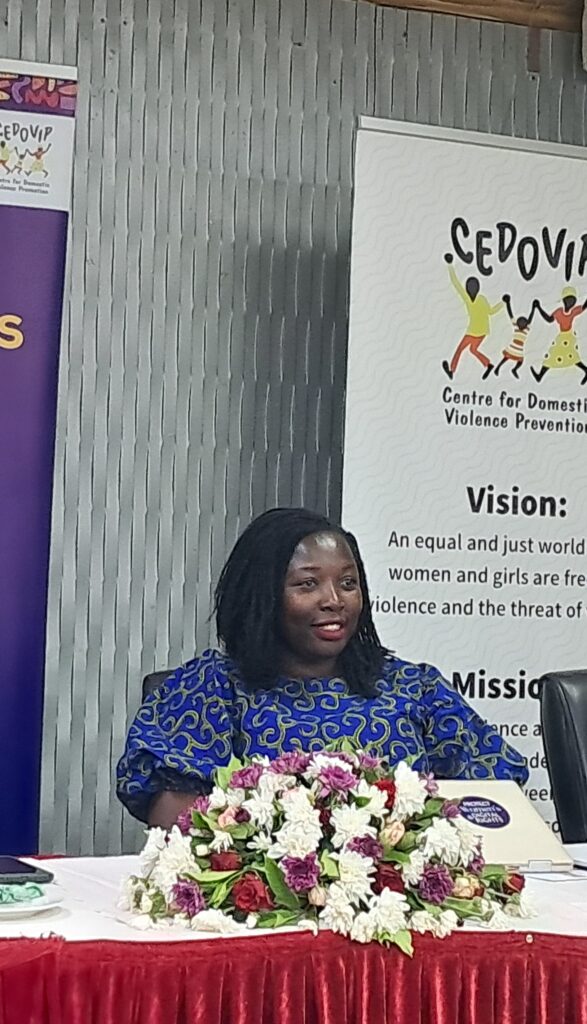
WOUGNET Executive Director, Sandra Aceng, stated that civil society groups working to eliminate violence against women must be given support and greater scope to educate the public on the rising problem of technology-facilitated gender-based violence.
She noted that women and girls continue to face harassment, threats, bullying, and other forms of abuse on social media, which silences their participation in digital spaces.
Aceng emphasised that the fight against online violence cannot be won without empowering communities with knowledge of safe digital practices and strengthening systems that hold perpetrators accountable.
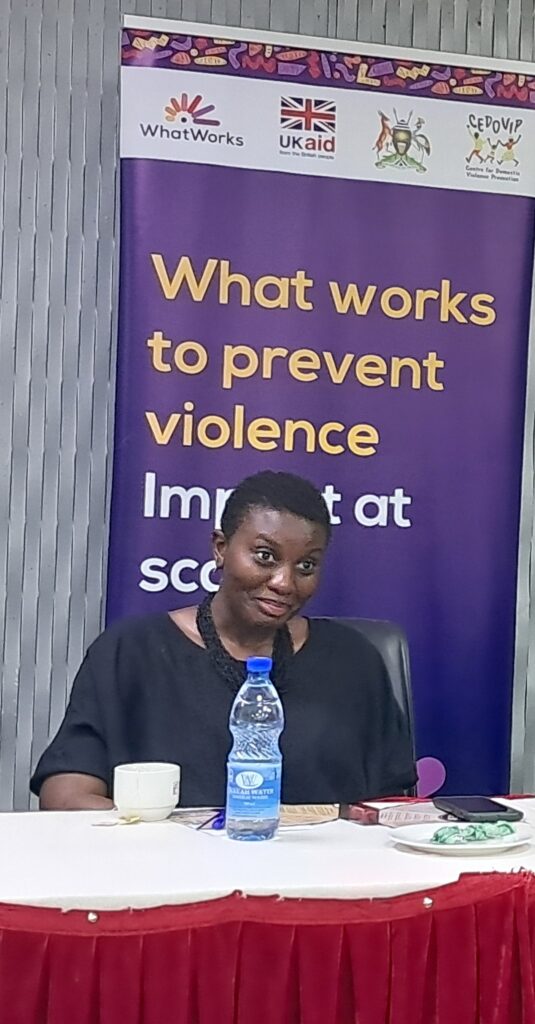
Buky Williams of Akina Mama wa Afrika appealed to media houses and communication platforms to take responsibility for creating safer online spaces. She noted that many perpetrators now use mobile phones and digital platforms to insult, stalk, and intimidate women.
Williams warned that online violence extends beyond social media, often occurring through messaging apps and other communication channels, urging Ugandans to remain vigilant and report any form of digital abuse.
The organisations emphasised that protecting women and girls online is essential to ensuring they can fully enjoy their rights and participate in public life without fear. They called on Parliament to make online safety a national priority as the country observes this year’s Human Rights Day.