
 Mama FM
Mama FM
Mama FM
15 December 2025, 3:01 pm
By Byamukama Alozious
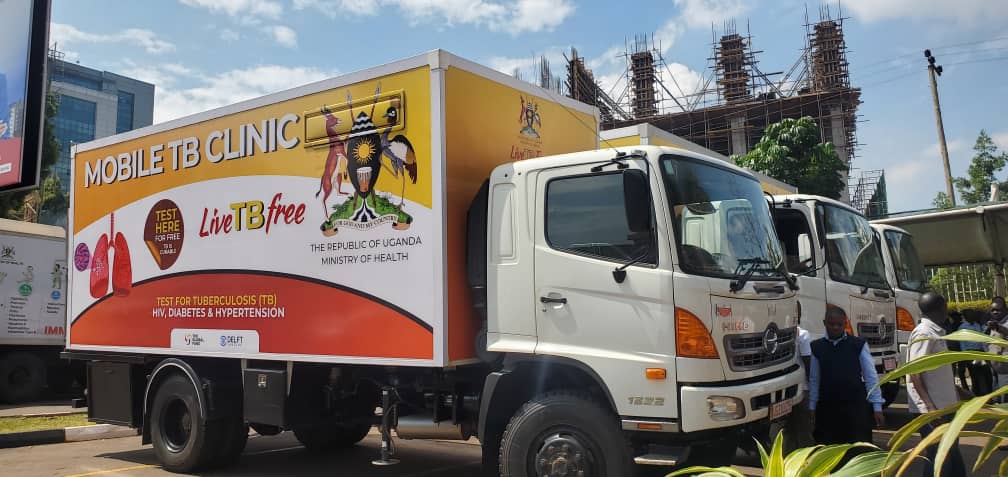
Uganda has expanded access to tuberculosis (TB) services with the launch of 11 new mobile TB clinic trucks, bringing the total number of mobile units to 16 and ensuring coverage across the country’s 16 regional referral hospitals.
The clinics, supported by the Global Fund, were officially received by the Ministry of Health in Kampala and flagged off by the Permanent Secretary, Dr Diana Atwine, as part of government efforts to improve early detection, diagnosis, and treatment of TB, particularly in hard-to-reach and high-risk communities.
Dr Stavia Turyahabwe, Commissioner for TB and Leprosy Prevention, said the mobile clinics are equipped with digital laboratory systems and will be deployed to red-flag areas, including remote regions where people often delay seeking TB services.
She explained that the clinics will operate directly within communities to screen, test, and support treatment for tuberculosis and leprosy, reducing distance, cost, and stigma barriers that limit access to care.
Uganda remains among the high TB burden countries globally, with infections concentrated in urban slums, prisons, and overcrowded settlements. According to health officials, an estimated 250 people fall ill with TB every day in Uganda, while at least 30 people die daily from the disease, which is both preventable and curable.
Dr Atwine said expanding mobile TB services is critical to closing detection gaps, noting that while about 91 per cent of patients who complete TB treatment are cured, nearly nine per cent either die or abandon treatment.
Dr Daniel Kyabayinze, Director of Public Health at the Ministry of Health, called on leaders at all levels to mobilise communities to utilise the mobile clinics and government health facilities for early TB testing and timely treatment.
Meanwhile, Uganda’s TB response has received an additional boost with the commissioning of 14 ultra-portable, AI-powered MinXray digital X-ray units donated by the United States government.
With this support, Uganda’s total number of mobile digital X-ray and computer-aided diagnosis platforms has risen to 95, extending coverage to more than half of all districts and enabling TB screening for up to 140,000 additional people annually.
The X-ray systems, equipped with artificial intelligence software, can detect TB and more than 20 other lung conditions, significantly reducing delays in diagnosis, particularly in resource-limited settings. The units will be deployed in the Kampala metropolitan area, Karamoja, West Nile, Greater Masaka, and other mapped TB hotspots.
The United States Ambassador to Uganda, William Popp, said the intervention reflects the continued U.S. commitment to strengthening Uganda’s health system and supporting the global goal of ending TB by 2030.
Earlier this year, the U.S. government provided 48 additional digital X-ray units to the Ministry of Health, increasing the total to 65 at that time. These machines have already screened more than 150,000 people and identified over 4,600 TB cases, all linked to timely treatment.
In addition to the X-ray units, the U.S. government has provided 33 solar power backup systems to support TB-LAMP machines, enabling community-based testing of over 1,300 sputum samples per day and the diagnosis of dozens of TB cases during integrated outreach activities.
“We are very grateful to the American people for this support,” Dr Diana Atwine told Ambassador Popp. She added that the X-ray units will provide accurate and timely data, which will accelerate the response to TB in Uganda.
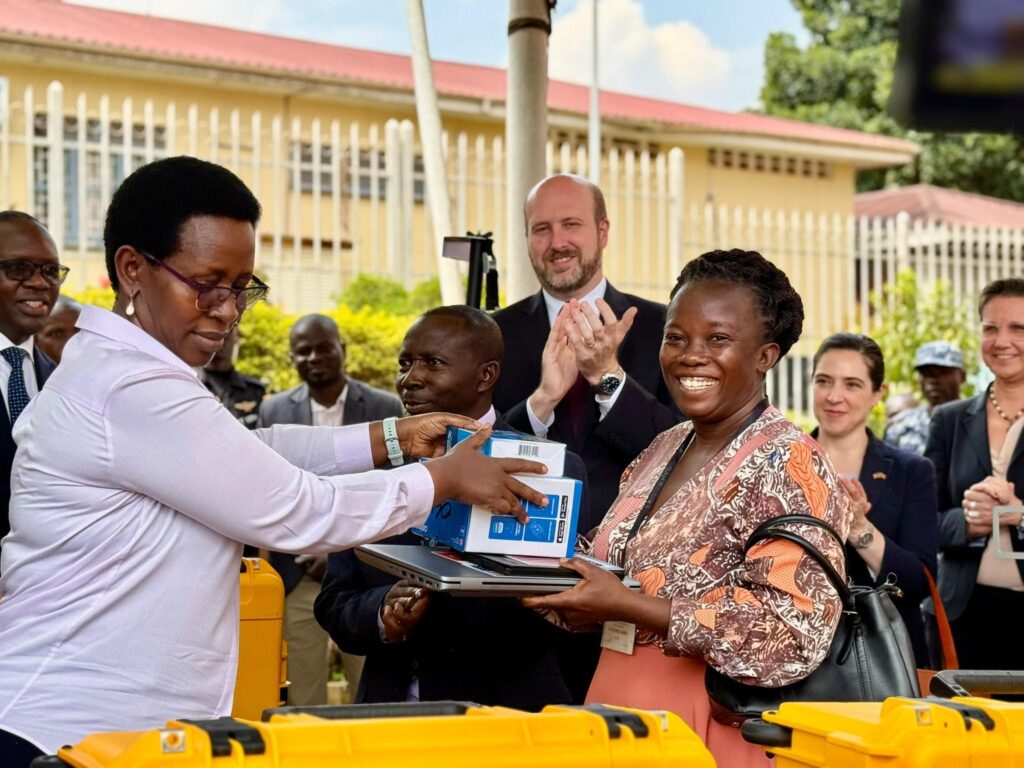
Health workers, including radiographers, clinicians, and data assistants, have received hands-on training to ensure the effective use, maintenance, and secure handling of patient data in accordance with national data protection guidelines.
Officials stated that the combined deployment of mobile TB clinics and advanced diagnostic technology represents a significant step towards reducing TB transmission, preventing deaths, and strengthening Uganda’s health security.