
 Mama FM
Mama FM
Mama FM
24 January 2026, 5:15 pm
By Kabali Paul
Kampala, Uganda — Women journalists in Uganda face systemic barriers including safety risks, discrimination, and limited access to resources, hindering their full participation and influence in media.
Media professionals play a critical role in democratic governance, public accountability, social justice, and inclusive development. However, women working in Uganda’s media continue to face deep-rooted systemic barriers, ranging from safety risks and discrimination to regulatory, economic, and technological constraints that limit their full participation, voice, and influence.
Against this backdrop, women media practitioners across the country, under their umbrella body, the Uganda Media Women’s Association (UMWA), have formally called on the newly elected Government of Uganda to commit to building gender-just, inclusive, safe, and sustainable media ecosystems where women in all media roles are supported, protected, and empowered.
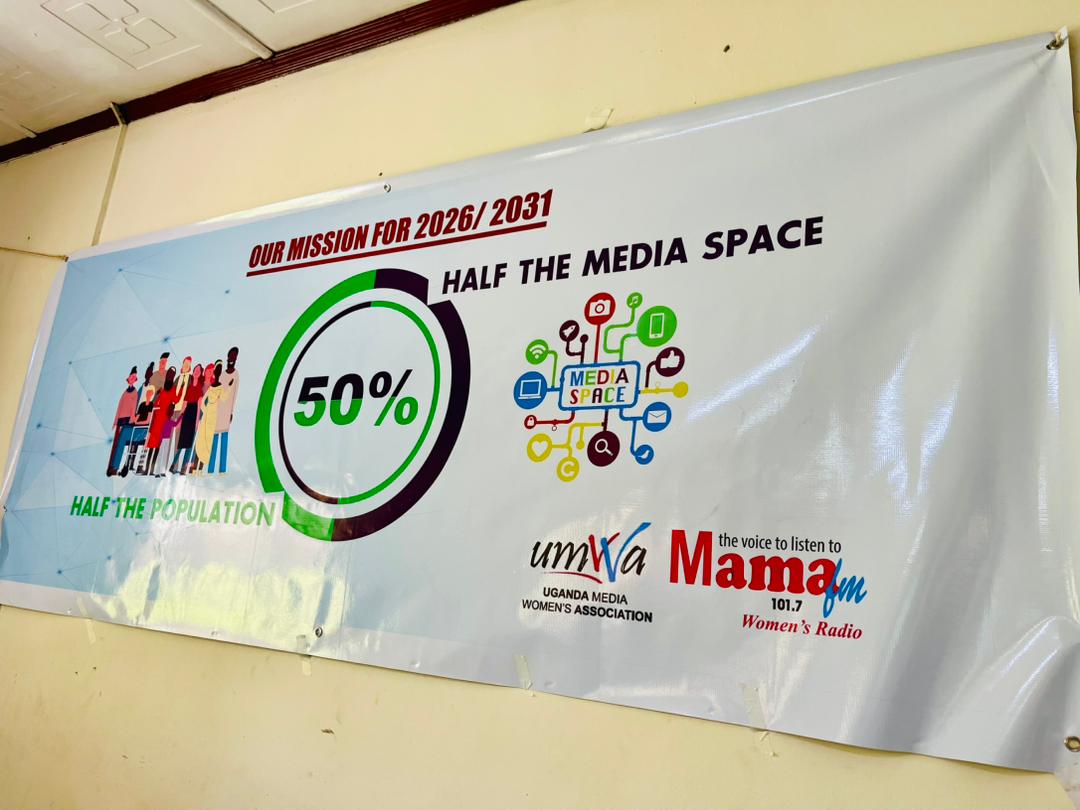
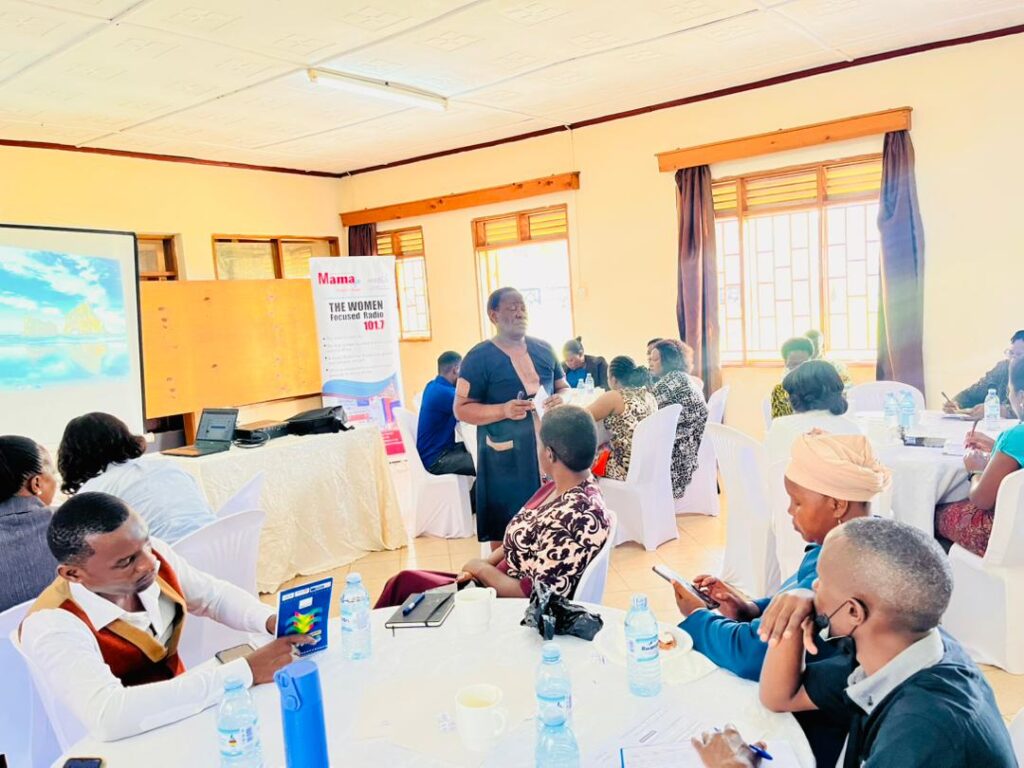
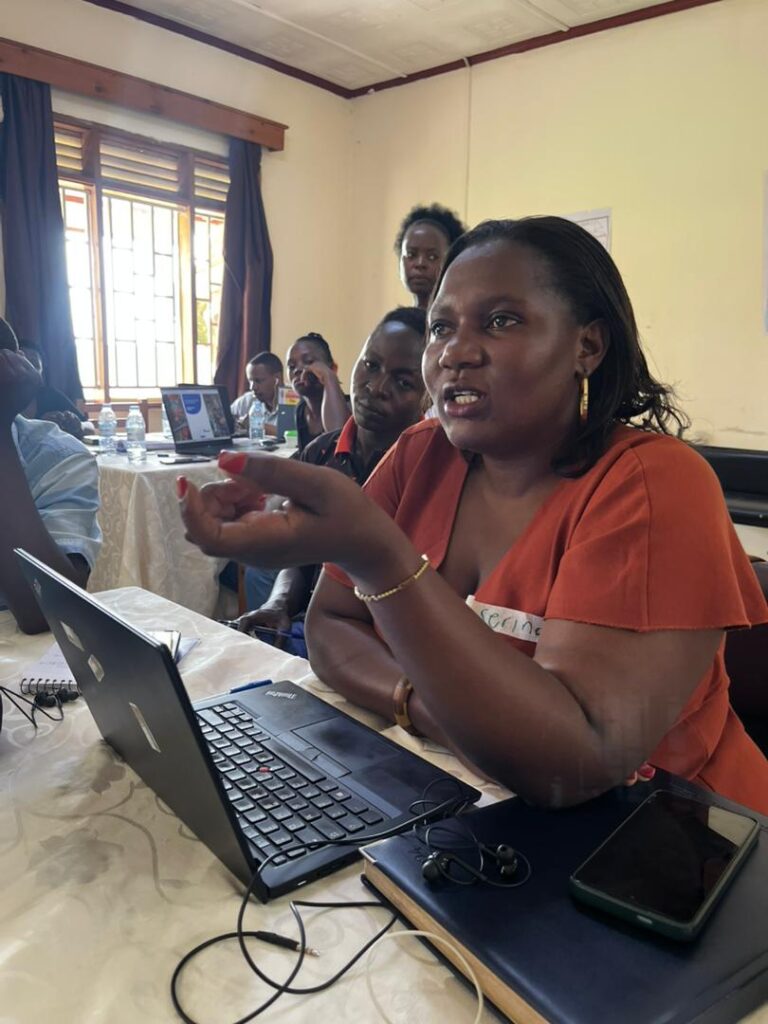
The call was made during a high-level stakeholder dialogue held at the UMWA premises in Kisaasi, Kampala, a week before the presidential general elections. The event brought together over 100 women journalists, media managers, and civil society actors. The dialogue outlined nine key thematic demands, grounded in existing gender-and-media research in Uganda and aligned with national development priorities. UMWA has consistently engaged with the gender and media sector for over 25 years and represents the Global Media Monitoring Project (GMMP) in Uganda, which collects gender data in the media.
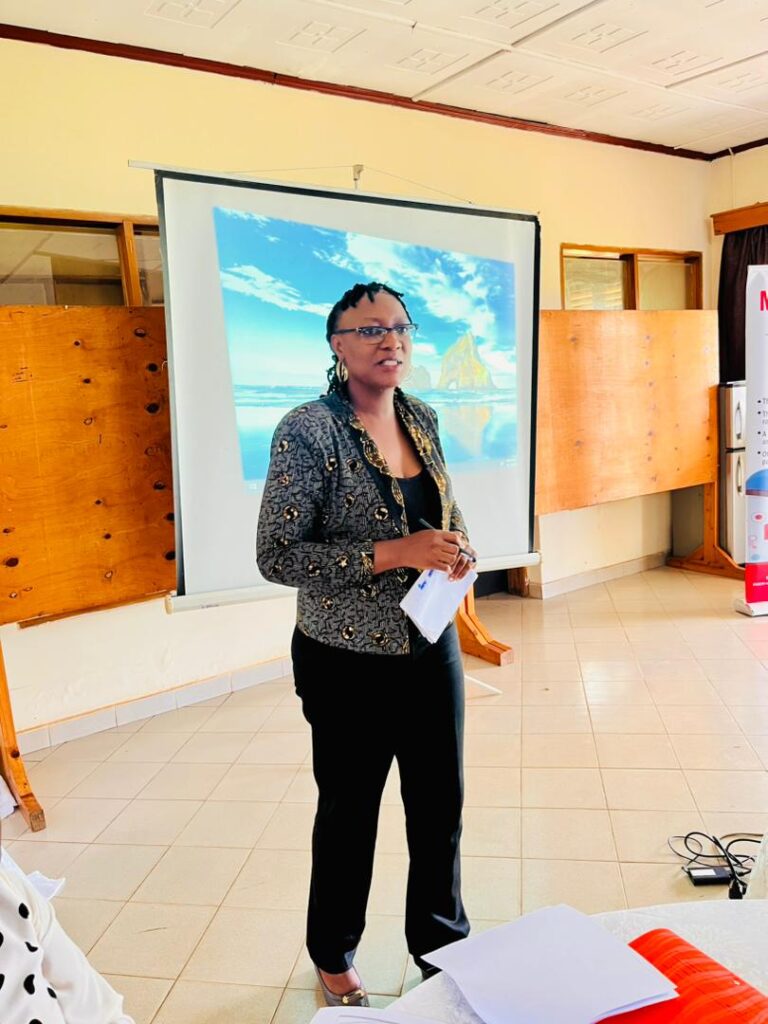
Speaking at the dialogue, Margaret Sentamu, Executive Director of UMWA, said women and girls in Uganda continue to be significantly underrepresented both in media content and decision-making spaces. “Women are not only underrepresented in the media, they are accorded minimal space—whether as news subjects, experts, or sources,” Sentamu said.
Findings from the GMMP underscore this imbalance, showing that women appear as news subjects only 23% of the time compared to 77% for men, despite women constituting the majority of Uganda’s population. Stakeholders at the dialogue noted that such disparities distort public discourse, silence women’s perspectives, and undermine inclusive development.
Beyond representation, the dialogue highlighted persistent safety and security threats facing women journalists. Charity Ahimbisibwe Kalebo, Chairperson of the UMWA Board, noted that women in media face gender-based violence, including online harassment, intimidation, and physical threats—particularly when covering politics, governance, protests, and corruption. Statistics show that 73% of women journalists have experienced online violence, while 25% have received physical threats, leading many to self-censor or withdraw from public-facing journalism altogether.
A study conducted by the International Media Women Foundation indicates that, out of ten female journalists who enter the profession, three leave by their third year due to an unsafe working environment. Serina Nagujja, an online journalist with NSTV, highlighted the lack of institutional protection. “There is minimal or no support from media houses, regulators, or the government when women journalists are attacked. There is no clear redress system, no insurance, and no coordinated response,” she said.
Participants therefore called for the establishment of a national safety mechanism within bodies such as the Uganda Media Council or the Uganda Communications Commission (UCC) to monitor, document, and respond to threats and violence against women media professionals.
The dialogue also addressed structural and economic barriers limiting women’s advancement and sustainability in the media industry. Women media practitioners highlighted issues such as high taxation on broadcast equipment, rigid licensing requirements, and limited access to production tools, which disproportionately affect women-led and community media outlets. Edwin Muhumuza, a journalist with Capital FM, said the financial burden facing women-led outlets remains overwhelming. “For many women-led media outlets, the cost of equipment alone is overwhelming. When you add high taxes and rigid licensing requirements, it becomes almost impossible for women to sustain media production or innovate. Without targeted tax relief and funding support, women’s voices will continue to be pushed out of the media space,” Muhumuza said.
Women in media therefore called on the government to introduce tax relief and duty waivers on media equipment, relax non-essential licensing requirements, and establish grants and funding mechanisms to support women journalists and women-led outlets.
The issue of unequal access to government advertising and public-sector media contracts was also raised as a major barrier to sustainability. Participants noted that government advertising continues to favour large, established media houses, sidelining smaller, community-based, and women-led outlets. Joyce Namugambe, an online writer with The UG Post, stressed that public advertising should benefit all media fairly. “Government advertising is public money to which women also contribute and should benefit all media houses fairly. When women-led and community media are excluded, entire communities lose access to information,” she said, calling for transparent allocation systems and affirmative measures to address historical inequalities.
Beyond economic constraints, women media practitioners highlighted gaps in gender-inclusive training and leadership development. They argued that the absence of a national gender- and inclusion-focused media training curriculum perpetuates stereotypes in reporting and excludes women from leadership pipelines. They called on the government to develop and roll out a national gender-inclusive media training curriculum, integrate it into journalism training institutions, and support mentorship and leadership pathways for women in media.
Another major concern raised was the exclusion of women journalists from regular engagement with government. Participants noted that women are often sidelined from official briefings and policy discussions, limiting their access to information and influence. To address this, they proposed the establishment of quarterly Media–Government Roundtables with gender-balanced representation, equal access to press briefings, and strengthened gender focal points within government communications units.
The dialogue further highlighted the absence of an independent media think-tank focused on gender, policy, technology, and sustainability. Women in media called for government support to establish an independent Uganda Media & Gender Policy Institute to generate evidence-based research, policy briefs, and fellowships for women researchers, thereby strengthening informed media reforms.
As media rapidly shifts toward digital platforms, participants warned of widening gender gaps in access to technology. While digital transformation presents opportunities, women journalists face increased online harassment, skills gaps, and limited access to digital tools—particularly in rural areas. They therefore urged the government to ensure affordable nationwide digital connectivity, provide targeted digital skills and safety training for women journalists, and incentivise women-led media houses to adopt new technologies, including data journalism.
Concerns were also raised about the role of regulatory bodies, with participants arguing that media regulation in Uganda remains enforcement-heavy and insufficiently gender-sensitive. Women in media called for reforms to shift regulation toward facilitation and inclusion, conduct gender audits of media laws and licensing frameworks, and require gender-disaggregated data and equality benchmarks in media regulation.
To ensure these commitments translate into action, women in media are demanding clear implementation and accountability measures. They are calling on the new government to adopt time-bound targets, including establishing a national safety mechanism within 12 months, rolling out the gender-inclusive media training curriculum within 24 months, and completing key technology access interventions within 36 months. They further want annual public reporting, dedicated budget lines, and the inclusion of civil society organisations such as UMWA as accountability partners.
The women-in-media manifesto aligns with broader inclusion agendas advanced by other civil society actors, including the National Union of Disabled Persons of Uganda (NUDIPU), which calls for inclusive communication and media representation for persons with disabilities, and the Uganda Women’s Network (UWONET), which advocates for wider gender equality and women’s rights. As Uganda enters a new political chapter, women in media insist that a democratic, accountable, and inclusive future is impossible without their full, safe, and equal participation in shaping the national narrative.
.