
 Mama FM
Mama FM
Mama FM
4 February 2026, 11:08 am
By Byamukama Alozious
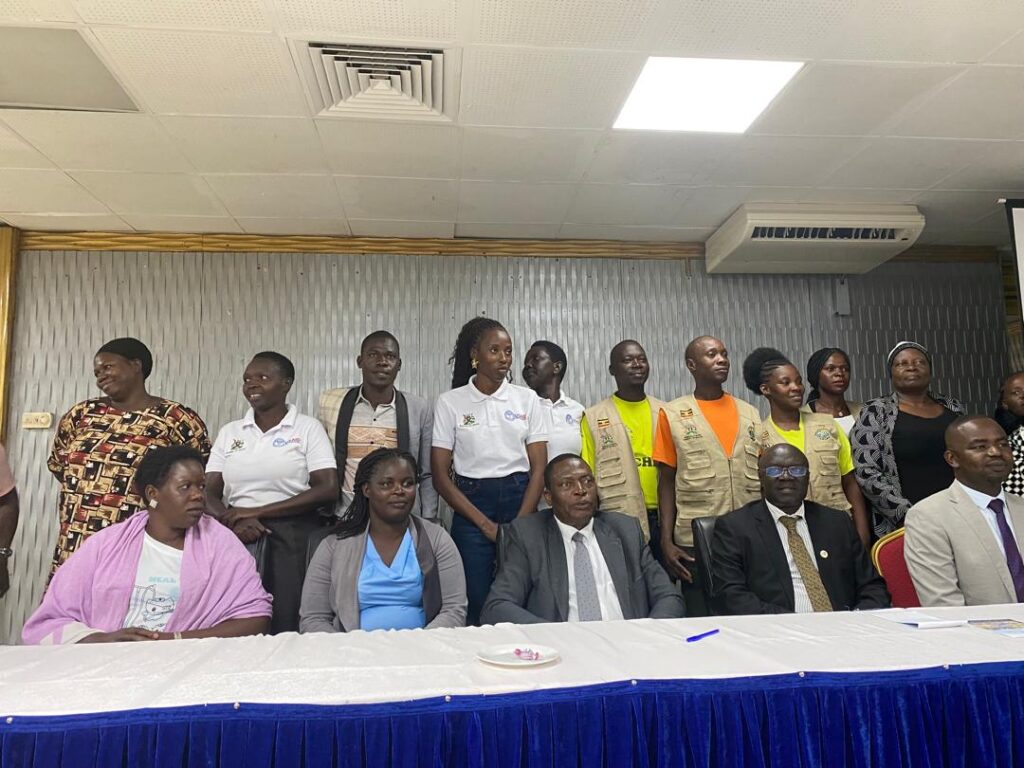
The Ministry of Health has reaffirmed its commitment to expanding equitable access to quality family planning services, particularly for underserved and hard-to-reach communities, as Uganda works towards its national target of achieving a 50 percent modern contraceptive prevalence rate by 2030. Health officials say that the training and deployment of Community Health Extension Workers (CHEWs) is a key strategy for bringing services closer to households and reducing unintended pregnancies.
The CHEW programme, adapted from Ethiopia’s community health model, was introduced in Uganda following learning visits by the Ministry of Health, led by then-Minister Jane Ruth Aceng. Under the current structure, CHEWs are stationed at parish level, where they supervise and work closely with Village Health Teams while linking communities to nearby health facilities.
To strengthen access to long-term family planning methods, the ministry piloted a project allowing CHEWs to provide implant (Implanon) insertion services at community level. The pilot was implemented in Kyotera, Namutumba, Lira, and Lira City, aiming to enhance task-sharing, decongest health facilities, and reduce barriers faced by women and girls seeking contraception.
According to the Ministry of Health, more than 20,363 community health workers, including Village Health Teams and CHEWs, have so far been digitised, with an additional 20,000 expected to be enrolled by March 2026. Using the electronic Community Health Information System, a digital platform owned and managed by the ministry, CHEWs support service delivery and automate reporting to districts and national health authorities. The programme is currently operational in selected areas and is being rolled out in phases, with plans to expand to around 70 districts nationwide.
Through the digital system, approximately 2.4 million households, representing nearly 5.9 million people, are now registered and receive regular community health services. Between 2022 and 2023, more than 1.75 million pregnancies were registered and supported, while over 57,000 referrals were made for services including immunisation, nutrition support, and assessment of childhood danger signs.
Health officials emphasise that strengthening services at parish and village levels is critical as Uganda continues to record high birth rates, including a large number of unintended pregnancies. Commissioner for Reproductive Health Services, Dr Richard Mugahi, said family planning enables individuals and couples to make informed choices, noting that expanded access to contraception remains a national priority.
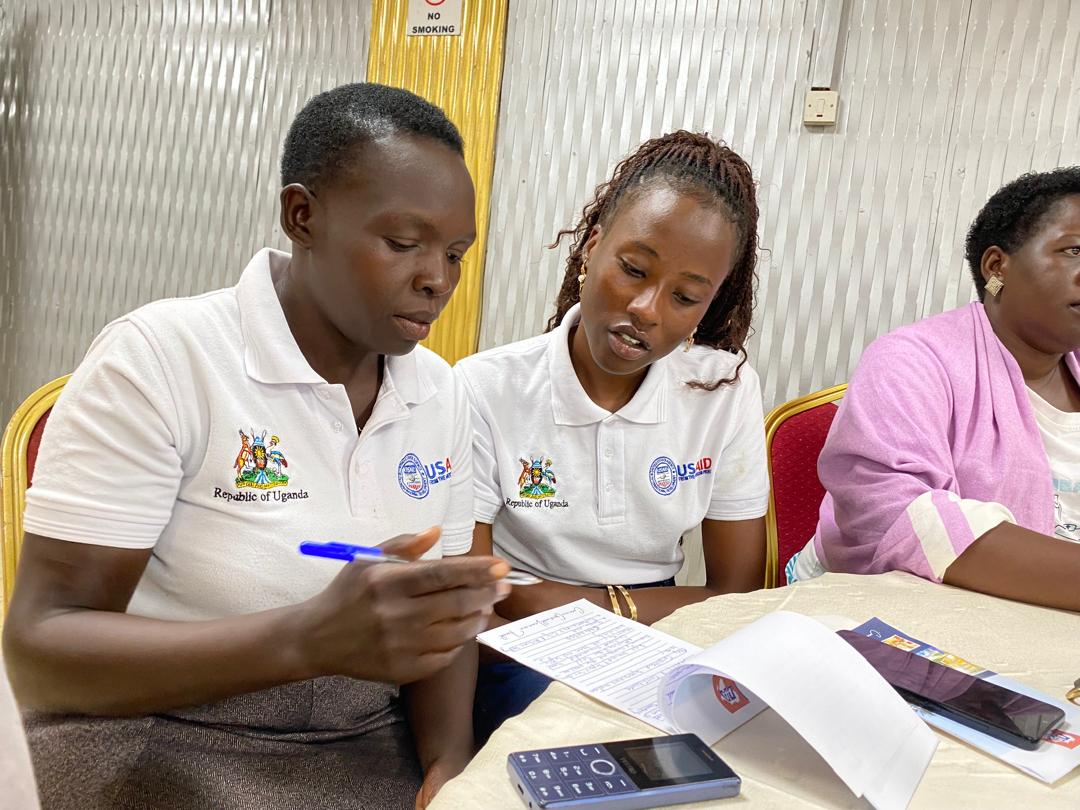
At community level, CHEWs report that informed counselling and regular outreach are increasing acceptance of long-term methods, but challenges persist. Alech Nancy Mirriam, a CHEW at Anyangatir Health Centre III in Lira City, said most women accessing services are aged between 24 and 40 years. She explained that CHEWs work closely with facility staff and Village Health Teams to mobilise communities, conduct integrated outreaches alongside immunisation services, and provide comprehensive family planning education.
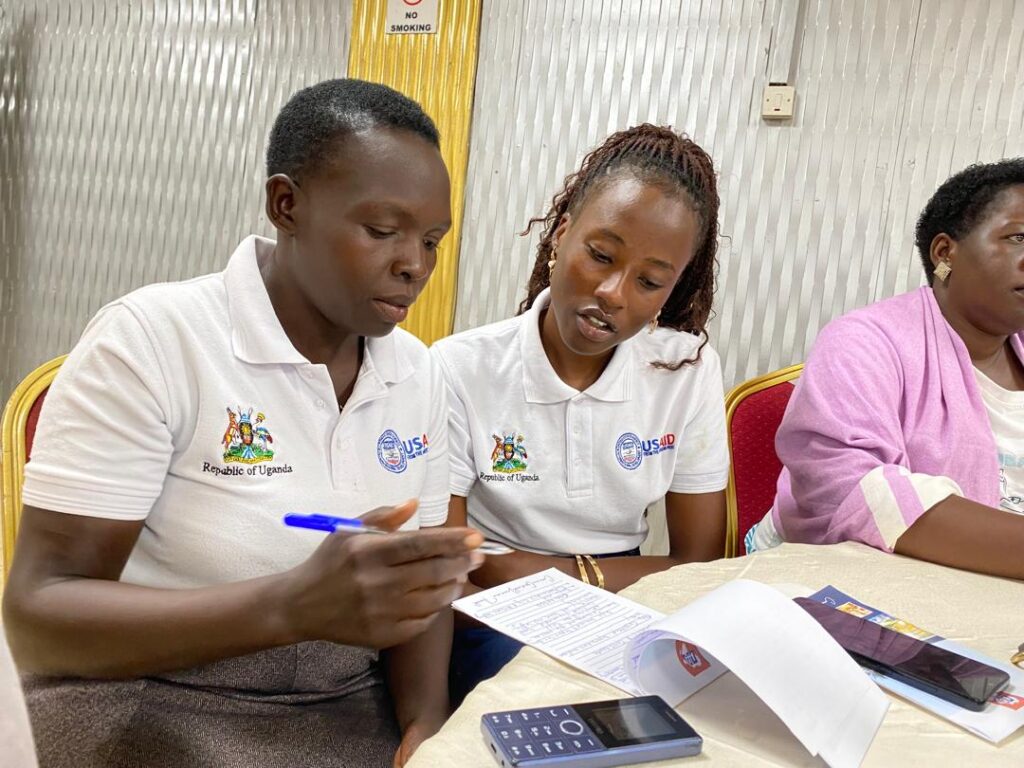
However, Mirriam noted that low male involvement remains a major barrier. “We want the Ministry of Health to make male involvement stronger and more deliberate,” she said. “From our experience in communities, when men are involved, family planning uptake is far more successful.” She added that myths surrounding implants, long distances, and limited resources for regular outreach also affect follow-up and continuity of care.
Despite these challenges, Mirriam said the presence of Community Health Extension Workers (CHEWs) has reduced long waiting times at health facilities and improved trust, as community members can easily reach health workers who live and work among them. Many women, she observed, opt for the three-year implant after receiving full information and counselling.
Director General of Health Services, Dr Charles Olaro, explained that the programme initially faced resistance due to widespread myths and misconceptions about family planning, but this has gradually shifted through interactive community engagement. He added that the ministry plans to train and deploy more CHEWs to strengthen village-level reach and address gaps identified during the pilot.
The Ministry of Health is collaborating with Makerere University School of Public Health and PATH to ensure the project continues to deliver positive results.