
 Mama FM
Mama FM
Mama FM
5 February 2026, 12:37 pm
By Byamukama Alozious
Credit; Musinguzi Blanshe
Climate change is tightening its grip on Uganda’s long struggle against malaria. New global research warning that climate change could drive an additional 123 million malaria cases and more than 500,000 deaths across Africa by 2050 is already reflected in realities on the ground in Uganda, where floods, disrupted health services and overstretched communities are making malaria harder to defeat.
While rising temperatures have long dominated discussions on climate and malaria, recent scientific evidence shows that extreme weather events such as floods and storms pose the greatest danger. These shocks damage homes, contribute to stagnant water, interrupt spraying campaigns and cut off access to health facilities. In Uganda, where heavy rains increasingly trigger flooding in low-lying and urban areas such as the Kampala Metropolitan Area, as well as mountainous districts like Bududa and Kasese, the consequences are severe.
According to the Ministry of Health, malaria accounts for about three in every ten outpatient visits, with an estimated 16 million cases and thousands of deaths recorded annually. Children under five and mothers bear the greatest burden, and health officials estimate that at least 16 people die from malaria every day. These figures persist despite years of progress in prevention and treatment, underscoring how climate-related disruptions are eroding hard-won gains.
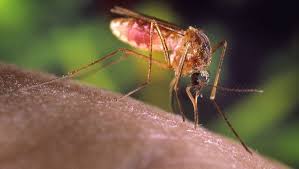
Uganda carries one of the heaviest malaria burdens in the world, accounting for about 4.8 per cent of global malaria cases and ranking third globally for incidence, while also recording roughly 2.7 per cent of malaria-related deaths worldwide. Recent reports indicate that the country registers well over 10 million malaria cases each year, with thousands of deaths, reflecting sustained high transmission despite ongoing control efforts. The highest burden is concentrated in northern Uganda, including the Acholi, Karamoja, Lango and West Nile sub-regions, as well as eastern Uganda’s Busoga region, where environmental conditions favour year-round transmission. Malaria in Uganda is mainly transmitted by Anopheles gambiae and Anopheles funestus mosquitoes, with Plasmodium falciparum responsible for about 97 per cent of infections. In a bid to reduce child deaths and strengthen prevention, Uganda in 2024 introduced the malaria vaccine into its routine immunisation programme, marking a major step in the national malaria response.
Flooding has repeatedly affected districts in the eastern, Kampala and Lake Basin regions, damaging sanitation, increasing stagnant water and overwhelming health facilities. In such conditions, prevention measures struggle to hold. Indoor residual spraying becomes difficult in fragile housing structures, particularly in regions such as Karamoja, while displaced families are less likely to sleep under mosquito nets or complete treatment on time.
In response, Uganda has over the years implemented several interventions, and the Ministry of Health is currently distributing 25.8 million insecticide-treated mosquito nets across 130 districts, targeting more than 8.5 million people. Priority is being given to pregnant and breastfeeding mothers and children. The campaign, supported by government and development partners, forms part of a broader effort that includes indoor spraying, community sensitisation and environmental management.
A major milestone came with the introduction of the malaria vaccine into Uganda’s routine immunisation programme, the largest rollout globally. Since its launch, more than one million children in high-burden districts have received the first dose, with follow-up efforts led by Village Health Teams to improve completion of the four-dose schedule. Health officials stress that while the vaccine is not a standalone solution, it offers new hope when combined with mosquito nets, prompt diagnosis and effective treatment.
The Ministry of Health has repeatedly warned that misinformation continues to fuel preventable illness. Data show that many Ugandans seek initial malaria treatment from private facilities, often at high cost, while delays in accessing care increase the risk of severe disease. Climate shocks worsen these patterns by cutting off roads, damaging facilities and diverting limited resources to emergency response.
Uganda’s experience mirrors the wider African picture highlighted by recent research: climate change is intensifying malaria mainly where it already exists, placing extra strain on already pressured health systems. For Uganda, progress towards malaria reduction and eventual elimination will depend not only on medical tools, but also on building climate-resilient health services, protecting communities during floods and ensuring prevention continues even during emergencies.