
 Mama FM
Mama FM
Mama FM
5 February 2026, 5:30 pm
By Byamukama Alozious
As African Heads of State prepare to convene in Addis Ababa for the African Union Summit, civil society organisations have issued a stark warning: the continent is approaching a health financing cliff just as disease threats are rising and donor support is shrinking. This message dominated a high-level CSO webinar on Africa’s leadership for health sovereignty, held on 5 February 2026, which brought together regional institutions, advocates and policy leaders to confront what speakers described as a “mathematical impossibility” facing Africa’s health systems.
The urgency is driven by stark figures. International health aid to Africa has dropped by an estimated 70 per cent over the past four years, while disease outbreaks have surged by 41 per cent. Against this backdrop, average health spending in many African countries remains around $17 per person per year—far below the estimated $60 required to deliver essential health services. Civil society leaders argued that this $43 per-person gap can no longer be filled through appeals to donors, but only through decisive political leadership, regional cooperation and domestic investment.
Dr Julius Simon Otim, Senior Health Officer for Medicines and Food Safety at the East African Community Secretariat, underscored the importance of collective regional action, particularly in medicines procurement. He stressed that pooled procurement will only succeed if countries build trust and align their systems. According to Dr Otim, political cooperation is not optional; it is the foundation for harmonised procurement, reduced costs and reliable access to quality medicines across borders.
The discussion quickly moved beyond procurement to the broader architecture of health system financing and governance. Nomathamsanqa Bhebhe, Programme Officer with the Programme for Investment and Financing in Africa’s Health Sector (PIFAH), emphasised that health sovereignty cannot be delivered by a single institution or policy lever. She called for coordinated action that allows institutions to fully leverage their mandates and comparative advantages, noting that blending public resources with private capital will be critical to strengthening Africa’s health systems at scale. For Bhebhe, civil society also has a central role—to advocate for coordination and hold governments accountable for how health resources are mobilised and spent.
Oluwakemi Gbadamosi, Deputy Executive Director of AHF Global Public Health, highlighted the fragile state of local pharmaceutical manufacturing, describing it as a pillar of health sovereignty that cannot survive on goodwill alone. If Africa is serious about producing its own medical products, she said, governments must create “binding markets”—guaranteed demand and procurement mechanisms that prioritise locally produced medicines and supplies. Without such market certainty, regional manufacturers will continue to struggle against cheaper imports and unstable demand.
The role of the African Medicines Agency (AMA) featured prominently in the discussion as a potential game-changer for regulation and quality assurance. However, speakers were clear that the AMA’s promise will only be realised if it is fully ratified by member states, adequately resourced, and supported by strong national regulatory authorities. Without these conditions, participants cautioned, the agency risks becoming another well-intentioned institution unable to deliver impact.
The webinar also reframed the meaning of health sovereignty itself. Rosemary W. Mburu, Executive Director of WACI Health, challenged the idea that sovereignty implies isolation. Instead, she described it as a shift in power towards stronger, more respectful, and mutually reinforcing partnerships—rooted in domestic leadership. Mburu argued that Africa has the resources to finance its health priorities, but progress has been stalled by weak prioritisation and a lack of transparent governance. Domestic resource mobilisation, she insisted, is no longer optional.
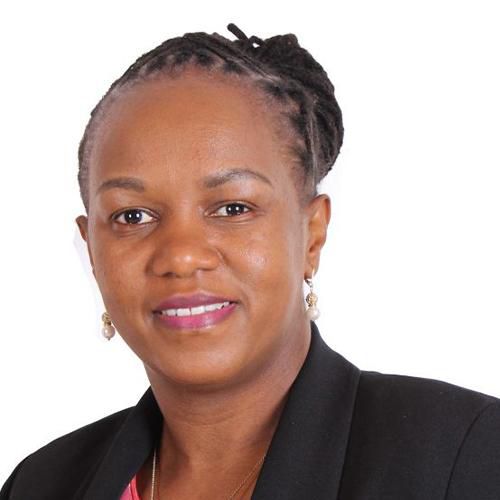
Mburu further called for the “democratisation” of health governance, stressing that participation is a right, not a favour. Communities and civil society, she said, must be formally integrated into decision-making processes rather than consulted as an afterthought. Sovereignty, in her framing, belongs to the people, and their voices should shape how health systems are financed and governed. She also urged leaders to abandon the idea of health as a cost, instead recognising it as an investment that underpins economic development, productivity and national security.
Additionally, Dr Penninah Iutung who is the Excutive Vice President AHF warned that Africa cannot “beg its way out” of the current financing crisis. With donor priorities shifting globally, she argued, the continent must pivot decisively from reliance to sovereignty.
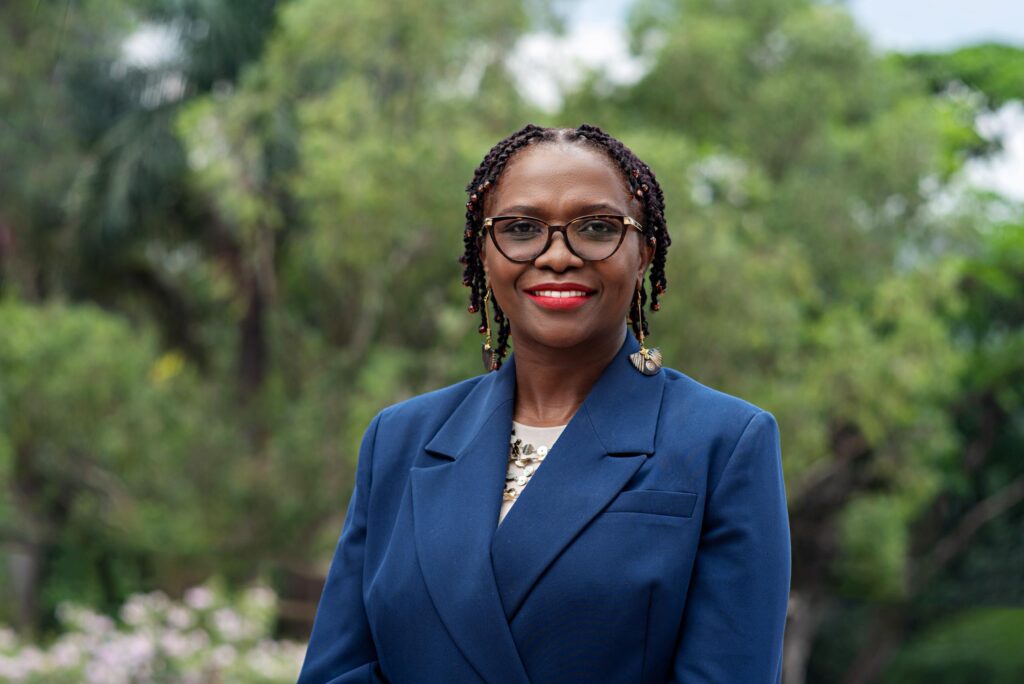
she noted that as leaders gather for the AU Summit discussions on health and health finacing should be priotised for the health security on the continent.