
 Mama FM
Mama FM
Mama FM
9 February 2026, 1:39 pm
By Byamukama Alozious
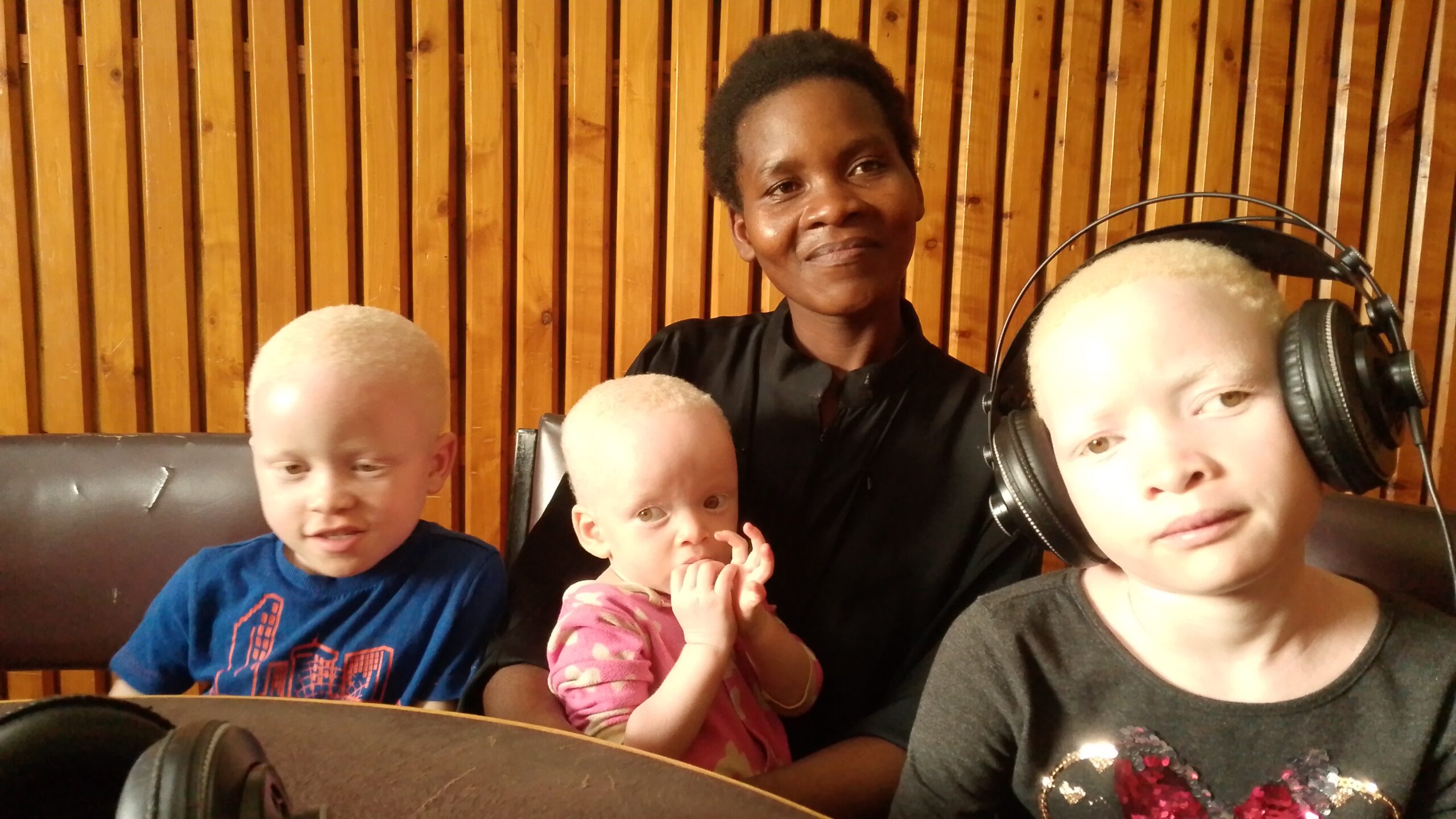
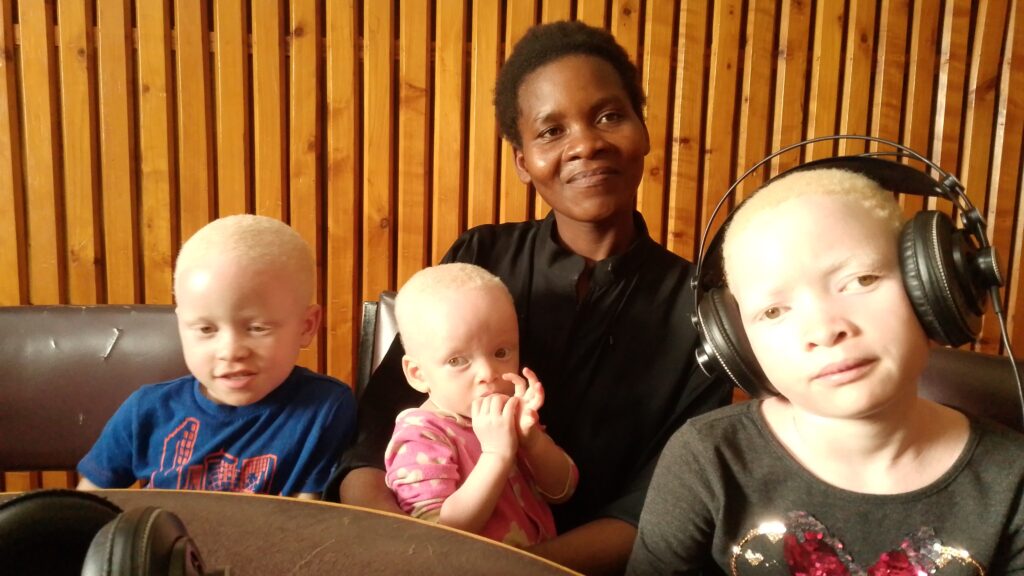
In a small, leaky house in Kirinya, Bweyogerere, within the Kampala Metropolitan area, Kantono Maryum faces a daily struggle to raise her three children, all of whom live with albinism. When it rains, water floods their single-room shelter; when the sun shines, it brings a different danger altogether.
“I am living a very challenging life raising my children,” Kantono says quietly.
Her husband, formerly a casual labourer, can no longer work consistently after suffering a severe back injury from a fall at his workplace. While many men abandon their families following the birth of children with albinism, Kantono’s husband remains at home, though his illness limits both his economic contribution and his ability to fully take on parental responsibilities.
The family lives in extreme hardship. They rely on a public toilet, exposing the children to daily humiliation and discrimination from other community members. Protective sunscreen, vital for people with albinism, is far beyond the family’s means. Even when Kantono manages to obtain it, her children’s skin sometimes reacts badly to the products.
The emotional burden is heaviest on her eldest child, ten-year-old Namakula Sumaya. At school, Namakula endures constant bullying and violence from her peers.
“They pinch me to see if I have white blood,” Namakula says.
When she reports the abuse, teachers’ responses often worsen the situation. She says teachers punish the entire class, including her, reinforcing fear rather than protection, and allowing stigma to persist in the classroom.
Despite these challenges, Kantono does everything she can to keep her family afloat. She earns a small income by washing clothes for neighbours, a meagre wage that barely covers food, let alone medical or educational needs. She is also breastfeeding her youngest child, making adequate nutrition both urgent and essential.
Resty Nakalisa Kawalya, Project Coordinator at Every Child Ministries, says Kantono’s situation reflects a wider failure of community support systems for families affected by albinism.
“This family needs urgent nutrition support, especially for the breastfeeding mother and the children,” Kawalya explains. “Schools, churches, community members, and local leaders must step in. Albinism is not a curse; it is a condition that requires protection, understanding, and inclusion.”
The organisation currently pays half of Namakula’s school fees, but Kawalya admits it is insufficient to meet the family’s growing needs. She is appealing to individuals and institutions able to provide support.
Kantono’s story was shared during a radio programme on Mama FM, hosted by Robina Nanfuka, an advocate for inclusion whose work continues to amplify the voices of marginalised children and families in Uganda’s media landscape.
For Kantono, hope lies in visibility, compassion, and collective responsibility. “I just want my children to live safely, go to school, and be accepted like others,” she says.
Kantono can be assisted through Every Child Ministries. Project coordinators can be reached at +256 782 924 899.