
 Mama FM
Mama FM
Mama FM
13 February 2026, 5:41 pm
By Byamukama Alozious
On Thursday 13th February 2026, more than 100 journalists and climate advocates from Uganda, Kenya, Zambia, Tanzania, Malawi, and South Africa came together virtually for a cross-border science café hosted by the AMSCC Consortium, discussing the intertwined challenges of climate change, gender, and health. The digital gathering provided a space for dialogue, knowledge sharing, and practical guidance, highlighting the pivotal role African women play in leading climate solutions.
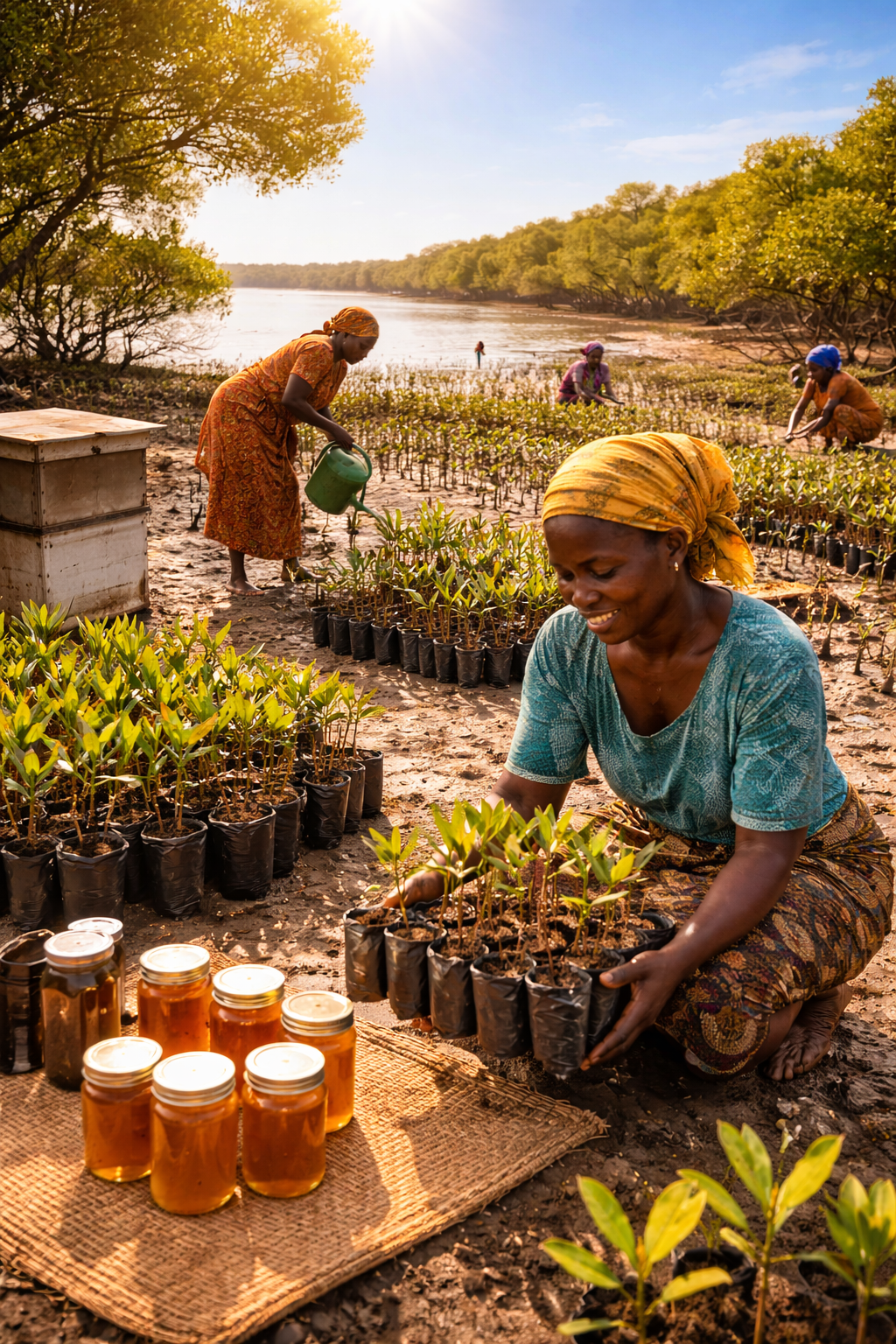
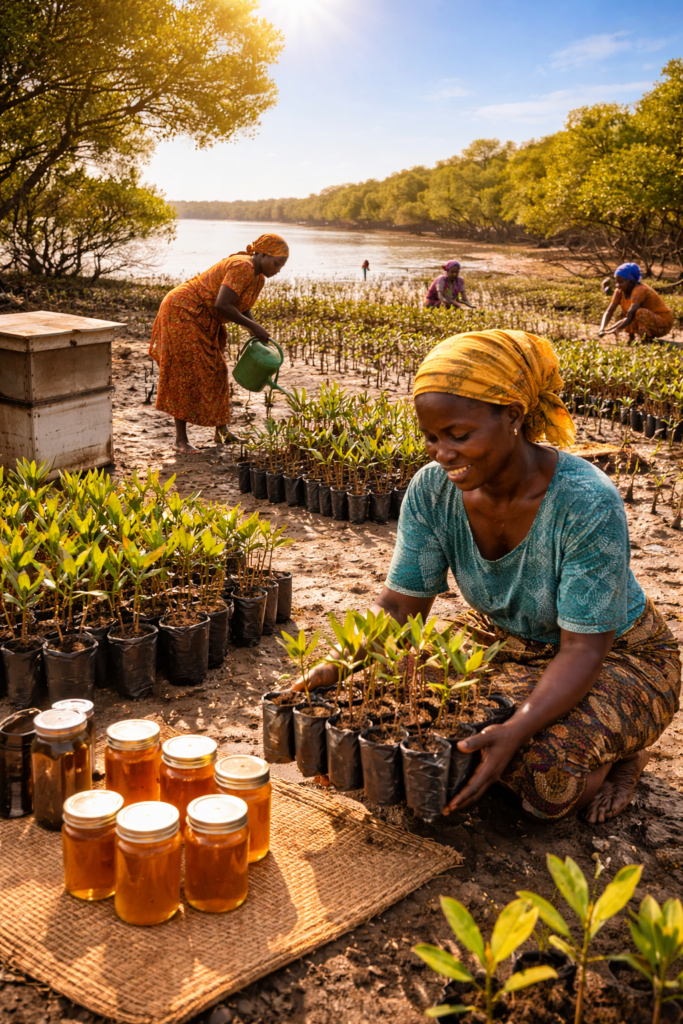
Audrey Masitsa, Regional Communication and Advocacy Coordinator at Mission Inclusion, opened the session by reminding participants that women are not only disproportionately affected by climate change—they are central to shaping the response. Drawing on examples from coastal communities in Kenya, she described how women manage mangrove restoration projects, govern nurseries, sell seedlings to NGOs, and even produce mangrove honey, generating both ecological and economic impact. “Women’s knowledge and leadership are central to building sustainable, resilient communities,” Masitsa said, emphasising that women’s contributions are often overlooked despite being critical to climate adaptation and environmental conservation.
The session also explored the concept of climate justice. Teresa Anderson from ActionAid highlighted that communities most impacted by climate change often contribute least to its causes, while wealthier nations have a responsibility to provide finance, support adaptation, and reduce emissions. Through clear visual presentations, participants connected global climate policy to local realities, understanding how international decisions translate into everyday challenges for African women.
Masitsa highlighted the complex social dimensions of climate change, explaining that women’s traditional roles—managing households, providing food, fetching water and firewood—become increasingly difficult as droughts, floods, and extreme weather intensify. She noted that livelihood stresses, such as those in fishing or farming communities, can exacerbate domestic tensions and increase risks of gender-based violence. Research supports this, showing that extreme weather events are linked to higher rates of intimate partner violence, with the UNFPA warning that climate-driven domestic violence could triple by 2060 in parts of sub-Saharan Africa.
Economic challenges are equally pressing. Many women rely on rain-fed agriculture and natural resources, and climate extremes reduce crop yields, force longer hours for food and water collection, and limit employment opportunities, deepening gender inequalities in rural economies. A study in BMC Public Health shows that women in Kilwa District, Tanzania, face disrupted maternal and child healthcare due to floods and unpredictable rainfall. Clinics are often unreachable after heavy rains, and diseases such as malaria and diarrhoea rise, increasing risks for mothers and children.
Globally, research summarised by Vox News shows that extreme heat raises pregnancy risks, including premature birth and low birth weight, as climate change intensifies.
Mission Inclusion works to ensure gender issues are central to climate adaptation, combining scientific research with local knowledge to co-create practical, culturally relevant solutions. Beyond environmental initiatives such as mangrove restoration, the organisation trains women and youth in business and technical skills, helping them navigate barriers such as limited access to loans and markets. “We coach them on negotiation, budgeting, branding, and product development so they can compete with larger companies while sustaining the value of handmade, natural products,” Masitsa explained.
The media’s role in amplifying women’s voices was a major focus of the session. Masitsa encouraged journalists to portray women not as passive victims but as agents of change, capturing them in leadership roles, managing projects, and teaching peers. Ethical reporting, informed consent, and context are essential, she noted, as is connecting local experiences to national policies and global climate agendas to ensure that lived realities inform climate resilience and gender equality initiatives.
Practical solutions discussed included climate-smart agriculture, resilient infrastructure, clean energy technologies, and skills development to boost income and community resilience. Experts emphasised inclusive climate finance and participatory approaches, showing how women’s leadership in local initiatives can transform environmental stewardship into sustainable livelihoods.
Many women in East Africa rely on rain-fed agriculture and natural resources. According to the Women’s Earth Alliance, droughts and erratic rainfall reduce crop yields and force women to spend longer hours fetching water and food, increasing their workload.
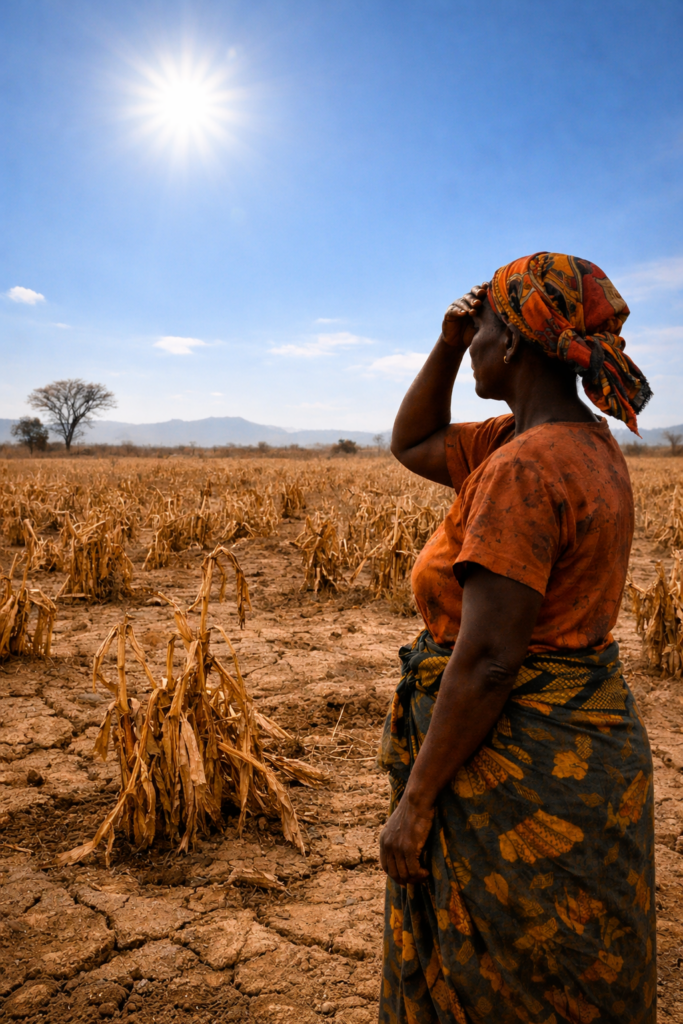
A study published in Sustainability finds that climate extremes reduce women’s employment opportunities more than men’s, further deepening gender inequalities in rural economies.
Climate-related hardships also affect household safety. Research in the International Journal of Environmental Research and Public Health shows that areas experiencing severe weather report higher rates of intimate partner violence.
The UNFPA warns that, without urgent climate action, domestic violence linked to climate stress could triple by 2060 in parts of sub-Saharan Africa. Extreme heat, food insecurity, and loss of livelihoods increase household tensions and heighten risks for women and girls.