
 Mama FM
Mama FM
Mama FM
18 February 2026, 4:53 pm
By Byamukama Alozious
Following recent funding cuts to vertical HIV programmes, the Government of Uganda has moved to integrate HIV and related services into general outpatient departments (OPDs), a decision broadly welcomed as a strategy to sustain the national response while strengthening the broader health system. Under this approach, patients now access HIV prevention, treatment, and care alongside other services, such as sexual and reproductive health and non-communicable disease management, at a single service delivery point. While many Ugandans view the integration as practical and efficient, civil society organisations stress that human rights safeguards must be strengthened to ensure it reduces stigma rather than exacerbating it.
Uganda has made notable progress over the past two decades in expanding access to antiretroviral therapy and improving viral suppression rates. Yet stigma, discrimination, and structural inequalities continue to undermine equitable access to care, particularly for women and girls, adolescents and young people, persons with disabilities, refugees, rural communities, and key populations. Civil society groups argue that integration must be approached not only as a health systems reform but also as a human rights issue.
Speaking at a civil society engagement on integration, Nyasha Chingore, Regional Advisor on Human Rights and Law at UNAIDS, emphasised that integration must be people-centred. “Integration is a health systems conversation, but it must first and foremost place people at the centre,” she said. “We do not exist for systems; systems exist for people. The first principle guiding integration is non-discrimination and equity. Stigma and discrimination remain real. People living with HIV still face criminalisation. Young women and adolescent girls face harmful social norms. Persons with disabilities, refugees, and rural communities encounter geographic and financial barriers. Integration must recognise inequality and transform it, not conceal it.”
Chingore stressed that participation and community leadership are non-negotiable. “Communities have demonstrated leadership through peer navigation and differentiated service delivery. They must remain central to the design, monitoring, and evaluation of integration. If privacy, dignity, data protection, and patients’ rights are not built into training curricula and implementation, integration risks eroding trust.”
Community voices echoed similar concerns. Nusbuga Moses, a national advocate often referred to as “Super Charger,” described long waiting times and service fatigue. “People arrive at clinics at 8am and are not seen until lunchtime,” he said. “Health workers then go for lunch while patients have not eaten. Medication refills may cover more than three months, but the waiting time is exhausting. Health workers need empowerment and better support to manage this workload.”
Concerns about congestion were reinforced by Dr Augustine Kubanga, National Medical Director of AHF Uganda Cares. “There is significant congestion in our hospitals, and little has been done to address it,” he said. “In some facilities, meetings are held in the morning while patients are already waiting. That is unfair. We must reorganise service flow so patients are prioritised.” Dr Kubanga also highlighted broader structural and legal barriers affecting access, including reproductive health care. “Many people who need safe abortion services are misinformed or constrained by cultural beliefs and restrictive interpretations of the law. These issues intersect with HIV and must be addressed holistically.”
At district level, implementation gaps are also raising concern. Azizuyo Brenda, Programme Officer at the International Community of Women Living with HIV Eastern Africa (ICWEA), called for stronger supervision and accountability mechanisms. “We need to strengthen district health systems. Some facilities in hard-to-reach areas receive minimal supervision,” she said. “Patient community advisory boards exist in some places, but not consistently. There are cases where patients are asked for unofficial payments. This undermines trust.”
One participant cited an incident where a facility hired a loud slashing machine that operated near a patient ward. “Patients were covering their ears. These may seem minor, but they indicate a lack of patient-centred planning.”
Civil society organisations argue that breaches of confidentiality remain one of the biggest risks under integration. When HIV services were delivered in specialised clinics, privacy protocols were clearer. Now, shared queues and common dispensing points can lead to involuntary disclosure if not carefully managed. Participants recommended discreet numbering systems for medicine collection and stronger data protection practices.
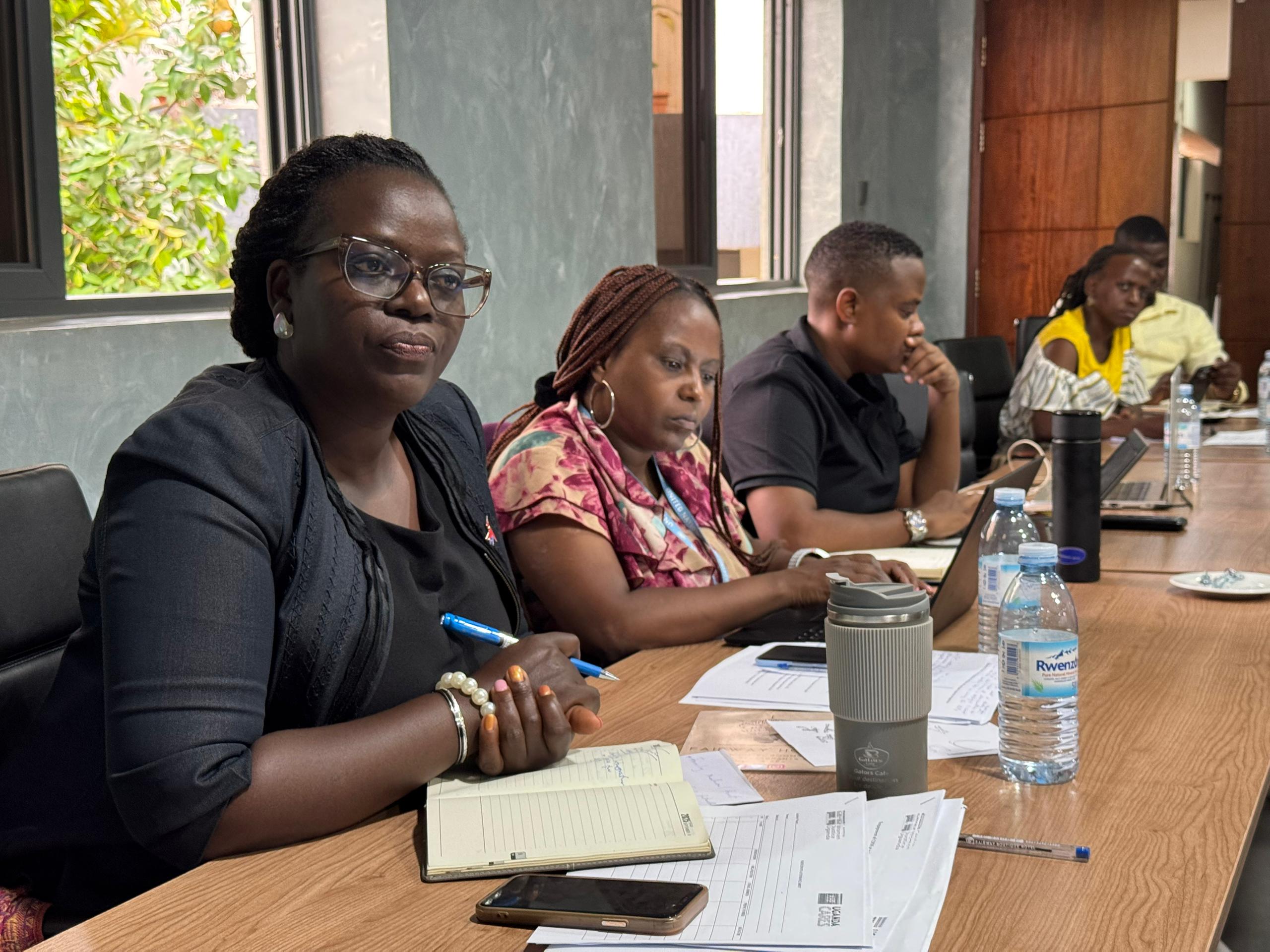
To address these gaps, a coalition led by the Centre for Women’s Justice, supported by partners, convened 20 national and local CSOs in a structured process to document rights violations, analyse policy gaps, and propose minimum human rights standards for integrated HIV service delivery. Immaculate Owomugisha stated that the engagement brought together representatives of people living with HIV, adolescents, key populations, persons with disabilities, and community-based providers to generate evidence-informed recommendations.
“Our goal is to ensure that integration aligns with dignity, confidentiality, gender equality, and meaningful community participation,” one organiser said. “We want to build consensus and speak with one voice so that minimum human rights standards are clearly defined and implemented.”