
 Mama FM
Mama FM
Mama FM
20 February 2026, 2:49 pm
By Byamukama Alozious
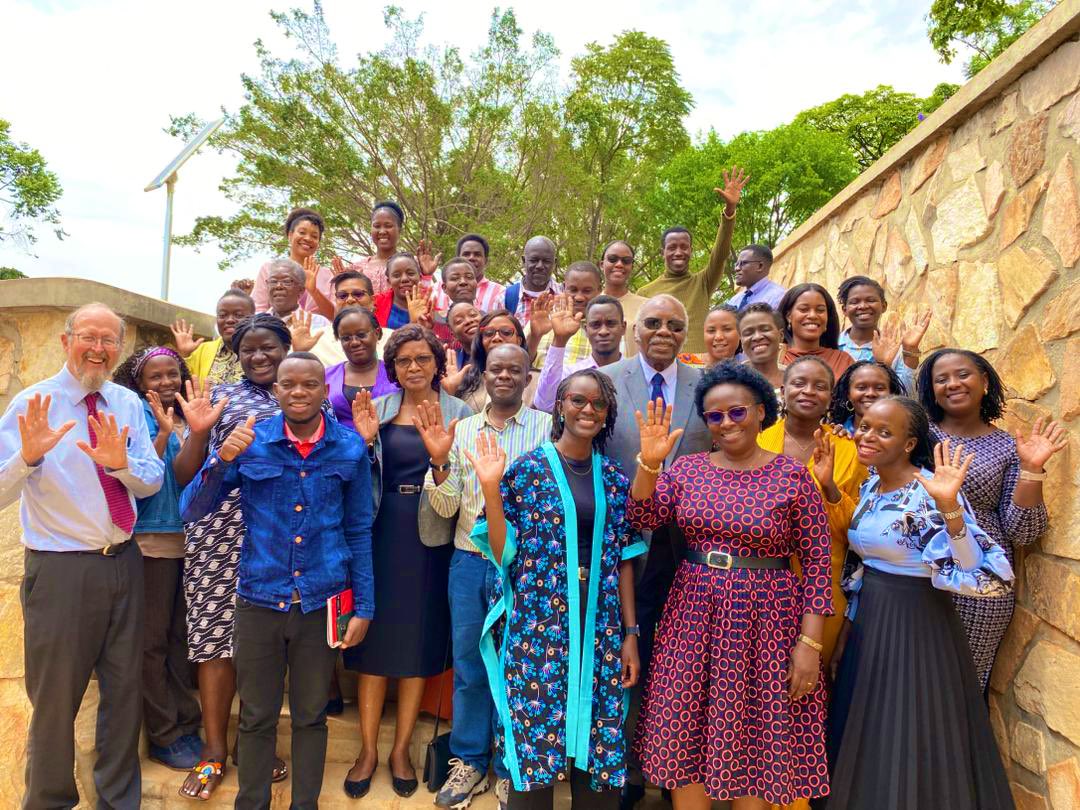
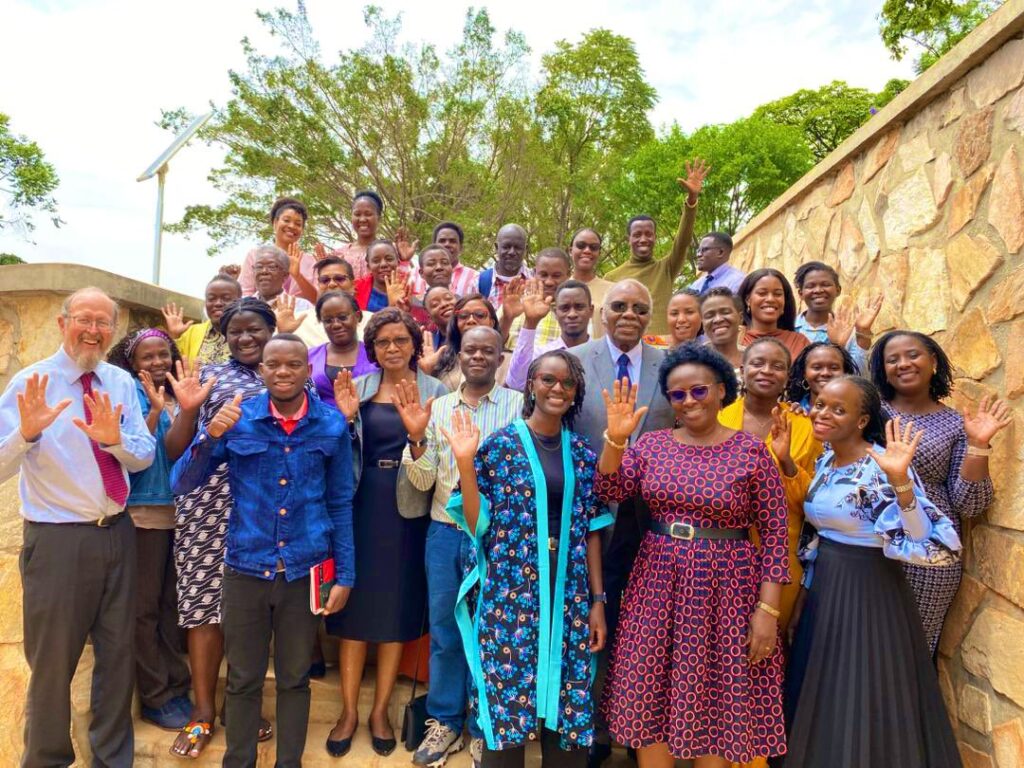
A diverse group of social actors convened at the Bahá’í Information Centre auditorium in Kampala for a national roundtable dialogue on justice and gender equality. The consultation was organised by the Bahá’í Office of External Affairs (Uganda), an agency of the National Spiritual Assembly of the Bahá’ís of Uganda, to explore how justice can be more deeply understood and meaningfully practiced in everyday life.
The discussion drew inspiration from Reconceptualising Justice: Laying Foundations for a Gender-Equal World, a statement presented by the Bahá’í International Community to the 70th Session of the United Nations Commission on the Status of Women (CSW70). The statement calls for strengthening access to justice for women and girls worldwide and invites reflection on justice not merely as a legal principle, but as a social and moral foundation for equality.
While justice is often associated with courts, legislation, and formal institutions, participants were encouraged to adopt a broader, more lived understanding of the concept. Conversations moved beyond policies and legal reforms to examine how justice is expressed through relationships, cultural norms, family structures, and everyday interactions that shape social life.
At the heart of the dialogue was the recognition that access to justice remains uneven. One participant observed that, “the justice system is not transparent or accountable and does not reach the ordinary person. If you have no money, you cannot access justice.” Such reflections highlighted the persistent gap between formal legal frameworks and the lived realities of many citizens.
Speakers emphasised the importance of community engagement in shaping meaningful reform. As one contributor noted, “we still lack a community-led approach in our deliberations because dissemination of information is insufficient, and this has limited participation.” This comment underscored the need for justice processes that are inclusive, accessible, and rooted in local contexts.
Gender equality emerged as central to any meaningful understanding of justice. Participants reflected on how discrimination against women and girls—manifested in harmful practices, unequal economic opportunities, limited political participation, and gender-based violence—weakens society as a whole. One participant stressed the importance of early education, noting that “issues of gender equality are introduced too late. These conversations should begin at the family level and in early schooling.”
Such insights reinforced a broader theme of cultural transformation. Participants agreed that laws alone cannot eliminate inequality if attitudes, assumptions, and behaviours remain unchanged. True justice must be reflected in homes, schools, workplaces, faith communities, and public institutions. It requires examining how relationships between women and men, leaders and citizens, and institutions and communities either uphold dignity and fairness or perpetuate inequality.
The roundtable also explored how legal reform and moral transformation can reinforce one another. Strong laws are essential for protecting rights, but they are most effective when supported by a culture that values fairness, consultation, and inclusion. Participants called for collaborative approaches that bring together policymakers, grassroots actors, development practitioners, and community leaders to create environments where justice is both legally upheld and socially embraced.