
 Mama FM
Mama FM
Mama FM
28 February 2026, 12:42 pm
Byamukama Alozious
Civil society organisations in Uganda have warned that structural discrimination, compounded by digital barriers, continues to undermine the country’s HIV response, leaving young people and vulnerable populations exposed to both stigma and systemic exclusion. Activists say these challenges, highlighted during the nationwide internet shutdown around the January 2026 general elections, threaten to reverse the country’s progress toward ending HIV and AIDS as a public health threat by 2030.
For many Ugandans living with HIV, discrimination is not only social but increasingly digital. Young people depend on online platforms for counselling, peer support, and treatment reminders that allow them to manage their health discreetly and safely. Doreen, whose second name has been withheld to protect her privacy, explained that the recent blackout disrupted her phone-based medication alerts, leaving her anxious and unsure whether she would miss critical appointments.
Mosses Nsubuga, widely known as “Super Charger,” who publicly lives with HIV and mentors youth on viral load adherence, highlighted the dual impact of stigma and digital exclusion. “Young people already face discrimination at home, school, and in their communities. When digital tools are blocked, even temporarily, the sense of isolation increases, and adherence to treatment suffers,” he said.
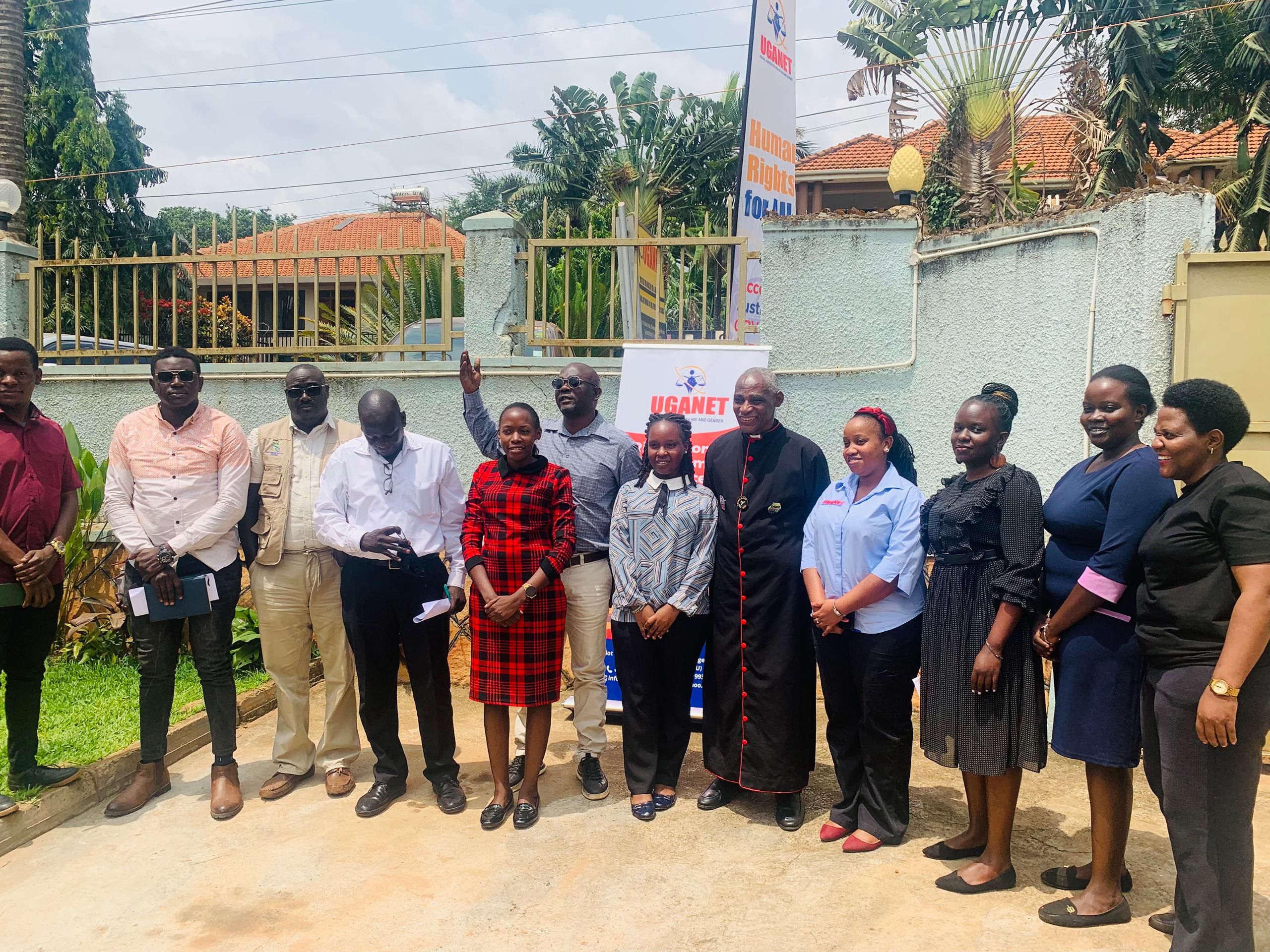
The Uganda Network on Law, Ethics and HIV/AIDS (UGANET) has linked internet access directly to the right to health and non-discrimination. Canon Byamugisha Gideon, a UGANET board member, acknowledged that Uganda has made progress in crafting inclusive laws, but he stressed that implementation remains a major gap. “There is a will for an inclusive Uganda,” he said, drawing on a biblical analogy: “As Jesus said, ‘the spirit is willing, but the body is weak.’ Our laws reflect the spirit of inclusion, but the body, meaning practice and implementation lags behind. This gap allows stigma, discrimination, and digital barriers to continue affecting people living with HIV, especially the young and marginalized.”
The Human Rights Awareness and Promotion Forum (HRAPF) emphasized that digital platforms are lifelines not only for people living with HIV but also for persons with disabilities and other marginalized groups. Advocacy Officer Tracy Nakayenga explained: “Tele-counselling, peer support, and accessible messaging protect individuals from discrimination and isolation. When these services are disrupted like during the recent shutdown—it reinforces exclusion and can heighten exposure to both violence and stigma.”
During pre-zero discrimination day press briefing which will occur on March 1st, Angel Laura Kyakunzire urged communities and policymakers to confront the ways in which stigma, violence, and digital exclusion intersect. “Discrimination remains a major barrier to HIV care. Policies and digital practices that fail to protect vulnerable populations, whether intentionally or through blanket measures like internet shutdowns, perpetuate both social and systemic harm,” she said.
Civil society actors warn that sustaining Uganda’s HIV gains will require more than medicine and funding it will demand proactive measures to combat discrimination, enforce inclusive laws, protect access to information, and ensure that all people, particularly young and marginalized populations, can safely engage with healthcare and support systems.