
 Mama FM
Mama FM
Mama FM
5 March 2026, 12:46 pm
Byamukama Alozious
Uganda is facing a growing public health challenge driven by changes in diet, work patterns and daily lifestyles. According to Kamara Daniel a nutritionist, the rising number of overweight and obese people in the country reflects not only individual choices but also deeper shifts in food systems, living environments and social attitudes.
Recent data from the Uganda Ministry of Health 2023 STEPwise survey shows that 28 percent of women in Uganda are overweight or obese, while 12 percent of men fall into the same category. The problem is particularly noticeable in urban areas such as Kampala, where lifestyles are changing rapidly compared to rural communities.
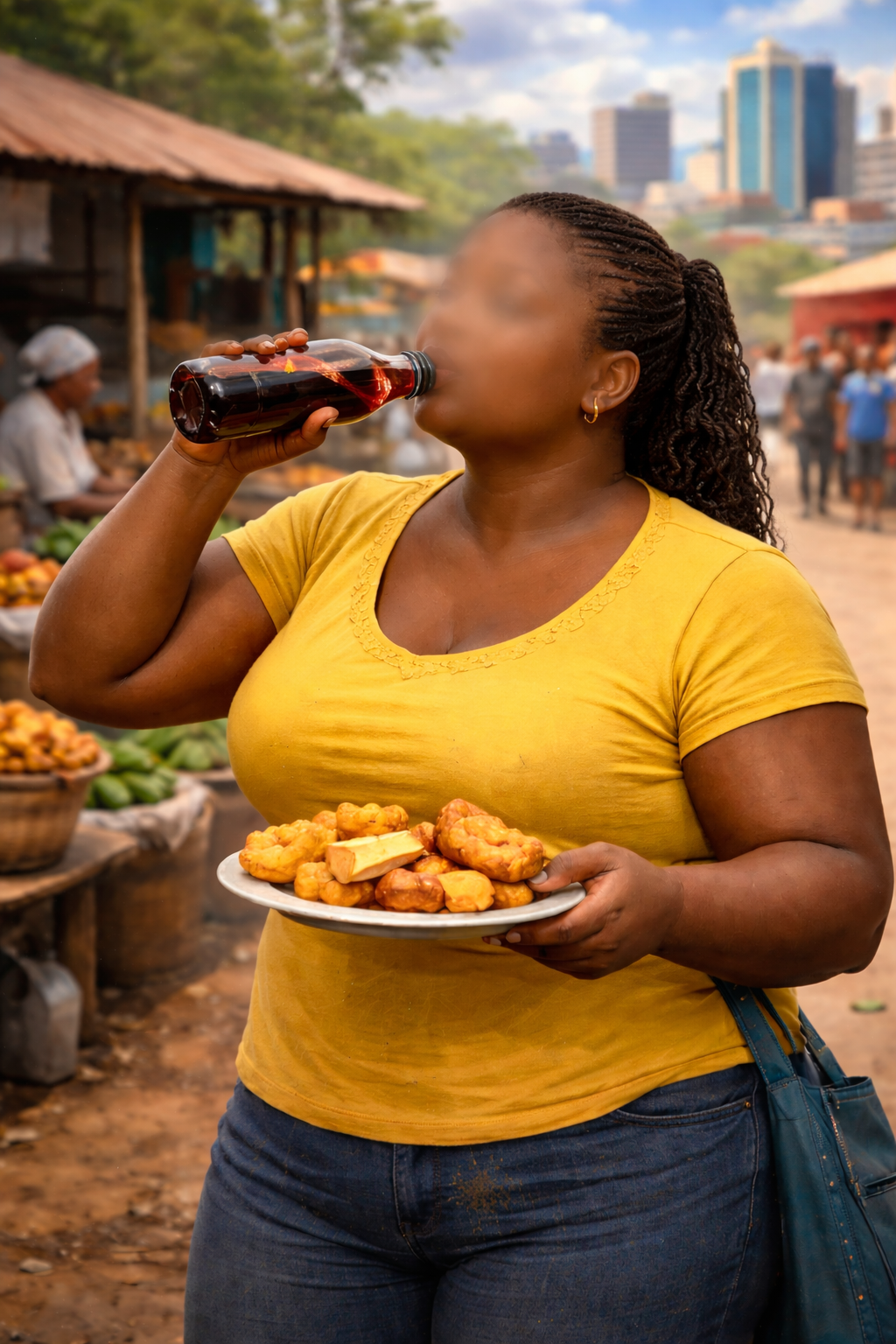
For generations, Ugandans relied on traditional diets rich in vegetables, legumes, whole grains, matoke and other tubers. These foods provided essential nutrients and supported active lifestyles. However, these patterns are increasingly being replaced especially in cities by processed foods, fried snacks and sugar-sweetened beverages that contain high amounts of calories but fewer nutrients.
“When these foods are eaten frequently, especially without enough physical activity, weight gain becomes more likely,” says Kamara. Busy urban schedules also mean many families now rely more on ready-to-eat meals, reducing the consumption of home-prepared foods that are often healthier.
The drivers behind obesity in Uganda are complex and interconnected. Rapid urbanization has changed the nature of work, with many people shifting from physically demanding farming or manual labour to more sedentary office and service jobs. Increased use of motorcycles, cars and other motorized transport has also reduced everyday physical activity. At the same time, more time is spent on screens, from televisions to smartphones.
Economic growth has expanded the availability of fast foods and packaged snacks, while aggressive marketing by food companies continues to influence dietary choices. Cultural perceptions also play a role. In some communities, a larger body size is still associated with prosperity or good living, which can delay recognition that weight gain may pose health risks.
Nutrition during early life is another factor. Maternal diet, breastfeeding practices and childhood feeding patterns can influence metabolism and increase the likelihood of obesity later in life. Because of this, experts say prevention must start early and involve families, schools and communities.
Kamara emphasizes that addressing obesity requires coordinated action across multiple levels of society. Policy interventions can help reshape food environments by introducing clear front-of-pack labeling, restricting advertising of unhealthy foods to children, removing industrial trans fats and considering taxes on sugar-sweetened beverages. Urban planning can also make a difference by creating safe walking routes, parks and recreational spaces that encourage physical activity.
Strengthening primary health care systems is also important so that routine screening for overweight, diabetes, high blood pressure and cholesterol becomes more common. Early detection can help individuals receive timely support and guidance before serious complications develop.
Communities themselves also have an important role to play. Schools can promote healthier eating by providing nutritious meals and limiting the sale of junk food. Workplaces, churches and savings groups can organize group exercise activities and encourage healthier catering during meetings and social events. Supporting local market vendors and cooks to prepare affordable and nutritious meals based on Ugandan food traditions can also help people maintain healthier diets.
At the individual level, experts encourage simple and sustainable lifestyle changes. Choosing whole foods such as vegetables, fruits, beans, millet, matoke and lean proteins, while reducing sugary drinks, fried snacks and heavily processed foods, can significantly lower the risk of weight gain. Controlling portion sizes, planning meals and incorporating daily physical activities such as brisk walking, dancing or active household chores can also improve overall health.
For people already living with obesity, Kamara advises starting with a health check to screen for conditions such as diabetes, hypertension and high cholesterol. Managing weight gradually through balanced diets and regular activity is often more effective than extreme dieting.