
 Mama FM
Mama FM
Mama FM
9 March 2026, 6:54 pm
Byamukama Alozious
Civil society organizations advocating for women’s rights have called for stronger investment and action to advance gender equality and address violence against women and girls in Uganda.
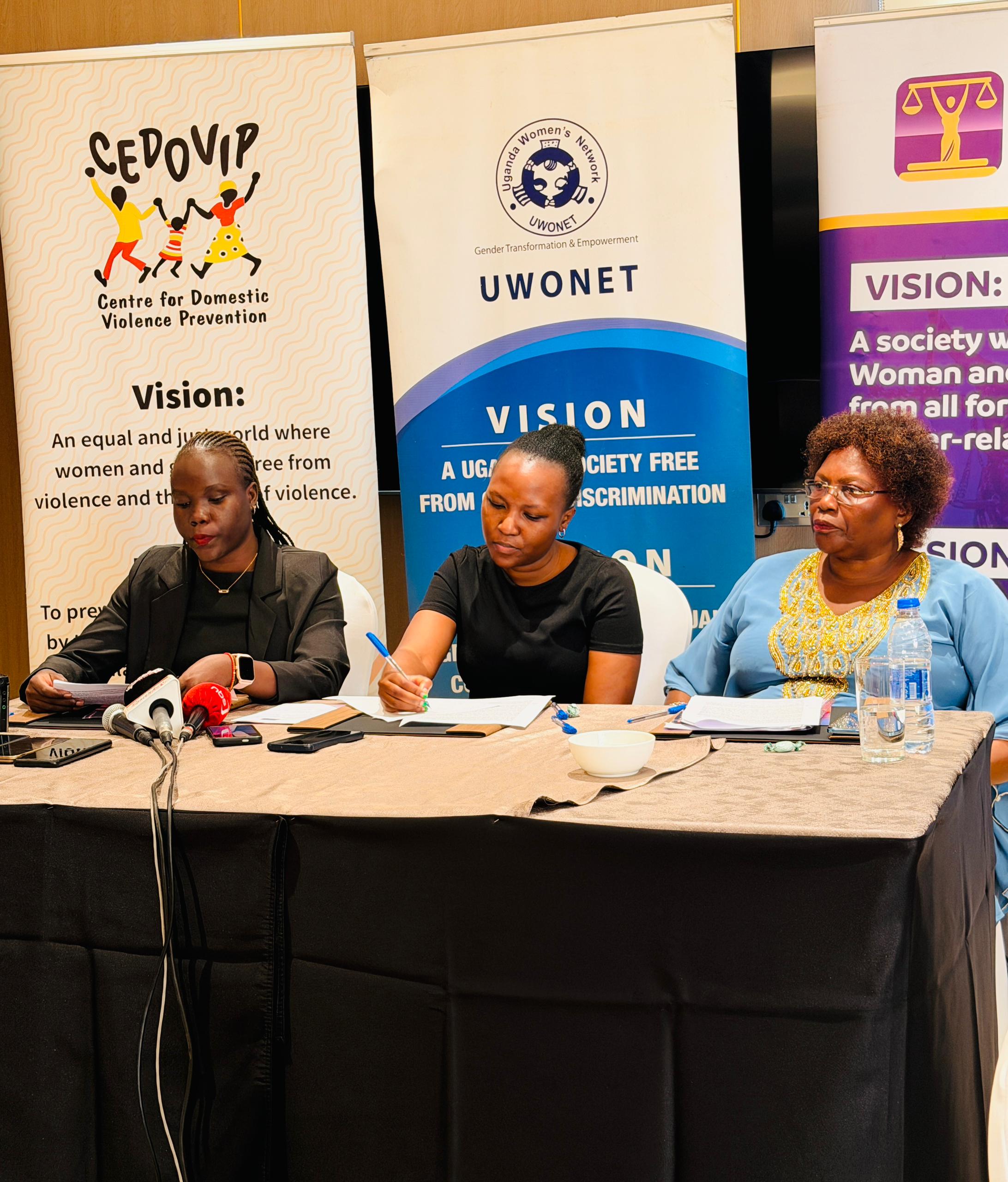
In a statement issued on Monday, March 10 to mark International Women’s Day 2026, the Domestic Violence Act Coalition together with Uganda Women’s Network (UWONET) said women remain central to Uganda’s social and economic development but continue to face persistent barriers that limit their rights and opportunities.
The coalition paid tribute to women across the country, recognizing their contributions in families, communities, workplaces and leadership spaces. It also commended women who contested in the recently concluded general elections, saying their participation demonstrated courage and commitment to shaping the country’s future regardless of electoral outcomes.
This year’s International Women’s Day is commemorated under the theme “Give to Gain: Scaling Up Investment for the Delivery of Gender Equality and Women and Girls’ Empowerment in Uganda.” According to the coalition, achieving gender equality requires more than commitments and symbolic support, calling instead for concrete investment in services and systems that support women and girls.
The organizations emphasized that “giving to gain” means allocating sufficient public resources to programs that prevent and respond to gender-based violence, expanding access to quality education and healthcare, and ensuring women’s meaningful participation in political and economic life. They also highlighted the need for stronger social protection systems and policies that recognize and reduce women’s unpaid care work.
The coalition acknowledged progress Uganda has made over the years through legal reforms, education policies and advocacy efforts. More women are increasingly participating in leadership and decision-making spaces, with women holding about 45 percent of cabinet positions. Education access has also improved, with 61 percent of girls transitioning from primary to secondary school and girls accounting for about 44 percent of total enrollment in higher levels of education.
Uganda has also committed to advancing women’s rights through national laws and international frameworks, including the Convention on the Elimination of All Forms of Discrimination against Women, the Beijing Declaration and Platform for Action, and the Maputo Protocol.
However, the groups warned that many of these commitments remain undermined by limited funding and weak implementation. They noted that structural inequalities continue to affect women’s access to land, healthcare, education and economic opportunities.
According to national data cited in the statement, only about 26 percent of women in Uganda own registered land, while maternal mortality remains high at 207 deaths per 100,000 live births. In addition, surveys indicate that about 95 percent of Ugandan women and girls aged 15 and above have experienced physical, sexual or psychological violence at some point in their lives.
The coalition said these figures highlight the urgent need for stronger government investment and accountability in implementing gender equality policies.
The organizations called on the government to prioritize gender equality in national and local budgets and ensure effective use of public resources to support women’s rights. They also urged security agencies and other institutions to protect women human rights defenders and young women activists and to ensure professionalism and accountability in addressing violence against women.
Leaders across political, cultural and religious institutions were also urged to reject violence, hate speech and harmful rhetoric targeting women and girls, while development partners were encouraged to sustain long-term funding for gender equality initiatives.
The coalition further called on families, communities, men and boys to stand in solidarity with women and girls by condemning violence and creating safe spaces for survivors to report abuse and seek justice.
The groups reaffirmed their commitment to advocating for women’s rights and holding institutions accountable for protecting the dignity and safety of women and girls.
They emphasized that protecting women’s rights is not only a constitutional obligation but also essential for sustainable development and peace.