
 Mama FM
Mama FM
Mama FM
16 March 2026, 11:58 am
Byamukama Alozious
Women activists have raised concern over poor sanitation, digital violence and the incarceration of women for petty offences, saying these challenges continue to undermine the health, dignity and access to justice for women and girls in urban communities such as Katanga in Kampala.
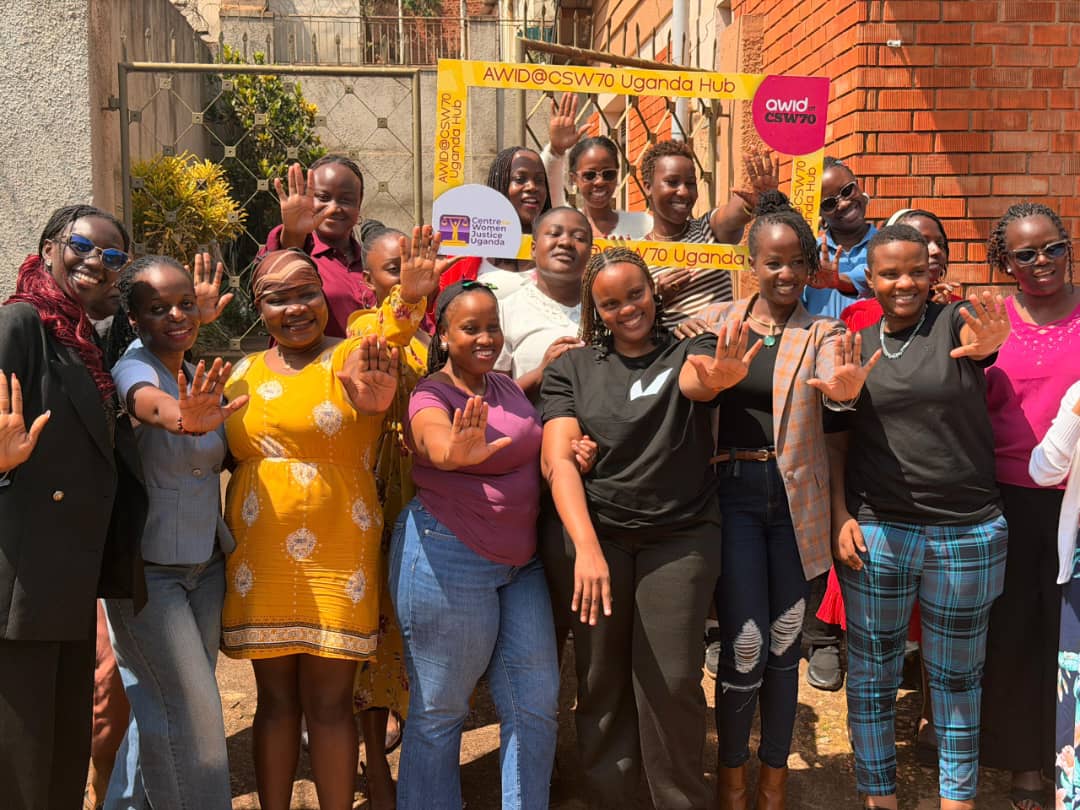
The concerns were raised during a media chat organised Centre for women justice Uganda as part of discussions linked to the global women’s rights forum Commission on the Status of Women. The engagement brought together several civil society organisations including , UGANET, Uganda Cares, Her Internet and Women Probono Initiative, among others advocating for justice, equality and the rights of women and girls.
Katanga, one of Kampala’s densely populated informal settlements, is estimated to host more than 20,000 residents within a small area of the city. The settlement is located near key national institutions including Mulago National Referral Hospital, Makerere University and the headquarters of the Ministry of Health Uganda.
Despite its central location, activists said women living in the area continue to face serious sanitation and health challenges.
Community representatives explained that Katanga currently relies on only one functioning public toilet after another facility managed by the Kampala Capital City Authority stopped operating nearly three years ago.
Residents said the remaining toilet requires users to pay about 200 shillings each time they use it, a cost many women say becomes difficult to sustain, especially when they have to visit the facility several times a day. Activists noted that this has created challenges for women managing menstrual hygiene and daily sanitation needs.
As a result, some women resort to disposing of menstrual waste in drainage channels and open sewage lines.
Activists warned that the practice exposes women and children to infections and other health risks. They also pointed to an open sewage channel in a nearby field where children often play, describing it as a serious public health hazard that requires urgent intervention.
Waste management was also highlighted as a major concern. According to residents, garbage collection in the community sometimes happens only once every three to six months, leaving waste piling up within the settlement and increasing the risk of disease outbreaks.
Beyond sanitation challenges, activists raised concern about the arrest and imprisonment of women for petty offences such as street hawking.
Following visits to prisons, activists said they interacted with women detained for minor urban offences, many of whom are single mothers who were arrested while trying to earn a living.
Some of the women reportedly narrated that their children were left unattended at home when they were arrested. One woman explained that she had been preparing porridge for her children when authorities apprehended her, leaving her uncertain about who was caring for them.
Activists warned that such arrests disrupt families and expose children to vulnerability in the community. They called on authorities to explore alternatives to incarceration, including community service and social support systems that allow women to remain with their families.
Health access was another concern raised during the media chat, particularly for vulnerable groups such as sex workers living in informal settlements. Some women reported challenges accessing HIV prevention medication such as pre-exposure prophylaxis (PrEP), which they said had become less available in nearby facilities.
Activists cautioned that reduced access to prevention tools increases the risk of HIV infection among women already facing social and economic vulnerabilities.
The discussions also focused on the growing threat of technology-facilitated gender-based violence.
Digital rights advocates said women increasingly face cyber harassment, cyberstalking, threats and the non-consensual sharing of intimate images online. They noted that such attacks often target women who speak out in public spaces, including leaders, activists and journalists.
According to the activists, body shaming, sexualised smear campaigns and online intimidation are increasingly being used to silence women participating in civic and political discourse.
They also highlighted the widening digital gender divide, noting that many women remain excluded from digital spaces due to limited digital literacy, economic barriers and cultural attitudes that portray technology as a male-dominated field.
While Uganda has laws addressing cybercrime, activists said enforcement remains inconsistent and some legal frameworks are outdated in the face of rapidly evolving technologies.
They called for stronger protections for survivors of digital violence, increased digital literacy among women and greater accountability from technology platforms.
Activists said the issues raised during the media chat demonstrate that access to justice for women must extend beyond courts to include safe living environments, accessible health services, digital protection and policies that reflect the lived realities of women and girls.