
 Mama FM
Mama FM
Mama FM
17 March 2026, 5:08 pm
Byamukama Alozious
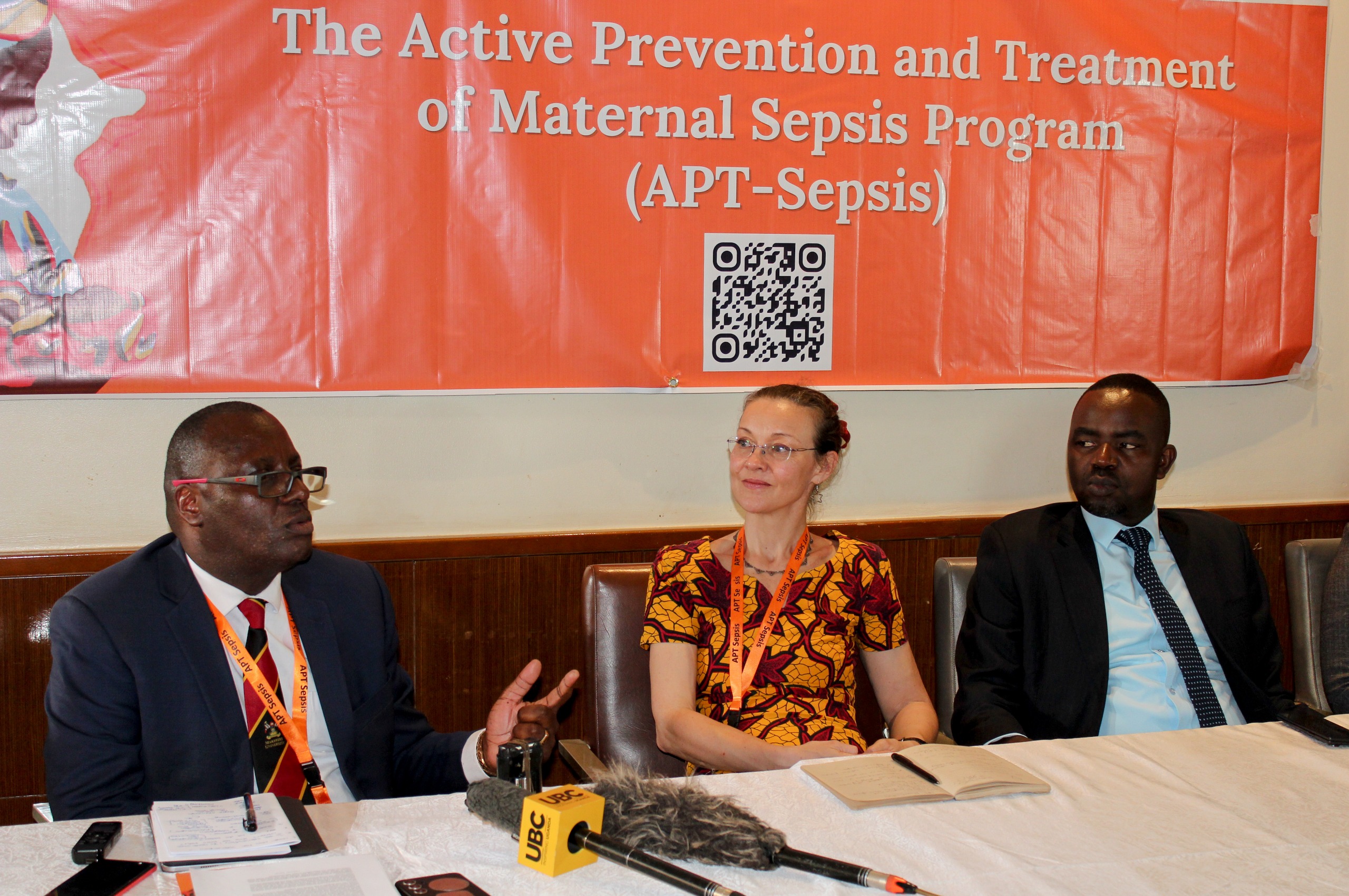
A major study conducted in Uganda and Malawi has found that simple, low-cost hygiene and clinical practices can reduce maternal sepsis by 32 percent, offering a practical pathway to saving the lives of women during and after childbirth.
The research, known as the Active Prevention and Treatment of Maternal Sepsis (APT-Sepsis) programme, was implemented by the Infectious Diseases Institute, the Ministry of Health, and the University of Liverpool across 59 health facilities, including health centre IVs, general hospitals and regional referral facilities. Researchers say the next phase will expand to lower-level centres such as health centre IIIs, IIs and village health teams to strengthen prevention at community level.
Professor Catriona Waitt, who led the study, described the findings as a breakthrough in maternal health. She noted that sepsis remains one of the three leading causes of maternal death, alongside hemorrhage and preeclampsia, yet it is largely preventable.
“It is a real honour to be able to share these findings,” Waitt said. “Many people know someone who has died around the time of giving birth, and sepsis is a major contributor. What makes this study exciting is that we did not rely on expensive or complex technology, but on simple practices that we already know work.”
Maternal sepsis occurs when harmful germs enter a woman’s body during pregnancy, childbirth or after delivery, often through the birth canal, surgical wounds such as cesarean sections, or through unclean hands, instruments and surfaces. Once inside, the germs multiply and spread into the bloodstream, triggering a severe infection that can quickly lead to organ failure or death if not treated early.
Health experts involved in the study noted that many health facilities remain high-risk environments for infection due to gaps in hygiene and sanitation. Poor hand hygiene, inadequate sterilization of equipment and delayed detection of symptoms continue to put mothers at risk.
To address this, the intervention introduced a package of measures focused on prevention, early detection and treatment. These included strict handwashing at every point of care, proper antiseptic procedures during delivery and surgery, and the use of monitoring charts to identify early warning signs such as changes in pulse rate and blood pressure.
Once infection was suspected, health workers followed a structured response known as FAST-M—fluids, antibiotics, source control, transfer and monitoring—to ensure timely and effective care.
Waitt explained that the study was conducted as a cluster randomized trial, with facilities either continuing standard care or implementing the intervention. She described the outcome as “almost a once-in-a-career result,” noting that the difference between the two groups was substantial and clearly demonstrated the impact of consistent, well-implemented basic practices.
Peace Okwero, the study coordinator, emphasized the importance of collaboration in achieving the results, noting that the research directly addressed a critical health need.
“Research should always respond to real problems in the population,” Okwero said. “This study tackled a major killer among mothers, and it shows that simple actions, when done consistently and in partnership, can save lives.”
At the policy level, the Ministry of Health has welcomed the findings and signaled plans for nationwide scale-up. Richard Mugahi, Commissioner for Reproductive Health, said the APT-Sepsis programme will serve as a guideline for training nurses and health workers while identifying gaps in healthcare delivery.
“We want to see handwashing facilities in every corner of our health facilities,” Mugahi said, acknowledging that many hospitals still face hygiene challenges. He added that the lessons from the study will not only improve maternal health but will also be extended to strengthen infection prevention across the entire health system.
Dr Andrew Kambugu, Executive Director of the Infectious Diseases Institute at Makerere University, said the study provides strong scientific evidence that can influence both national and global health strategies. He noted that the research demonstrates the growing role of African institutions in generating solutions to urgent health challenges.
“Universities are often seen as isolated from real-life problems, but this study shows how research can directly save lives,” Kambugu said. “It also highlights the importance of implementation science in ensuring that proven interventions are effectively applied in our settings.”
Frontline health workers who participated in the study say the intervention has already changed practice on the ground. Hannah Kemiyondo, a midwife at Mubende Regional Referral Hospital, said sepsis was previously a major concern due to delayed diagnosis and response.
“Before this programme, we would sometimes miss early warning signs, which led to delayed care,” she said. “Through training and mentorship, we gained the skills to detect infections early and act quickly.”
Kemiyondo added that simple but consistent practices such as hand hygiene and close monitoring of mothers significantly improved outcomes. She said the FAST-M approach helped guide health workers in responding effectively, ensuring that mothers receive timely treatment.
“As midwives on the frontline, this programme has shown us that even small actions can make a big difference,” she said. “It has improved our confidence and the quality of care we give to mothers.”
Researchers say the success of the intervention was driven not only by the practices themselves but also by continuous training, mentorship and close collaboration with health facility leadership, which helped embed the changes into routine care.
With plans to expand the programme to lower-level health facilities and communities, health officials believe the approach offers a scalable and cost-effective solution to reducing maternal deaths.