
 Mama FM
Mama FM
Mama FM
20 March 2026, 3:55 pm
Byamukama Alozious
Residents of Kamwokya have joined other Ugandan communities in speaking out against a controversial European Union-linked health agreement, warning that it could limit access to affordable medicines and health technologies.
The concerns follow issues raised in a report by Mama FM, where civil society groups warned that the agreement could widen health inequalities instead of improving access.
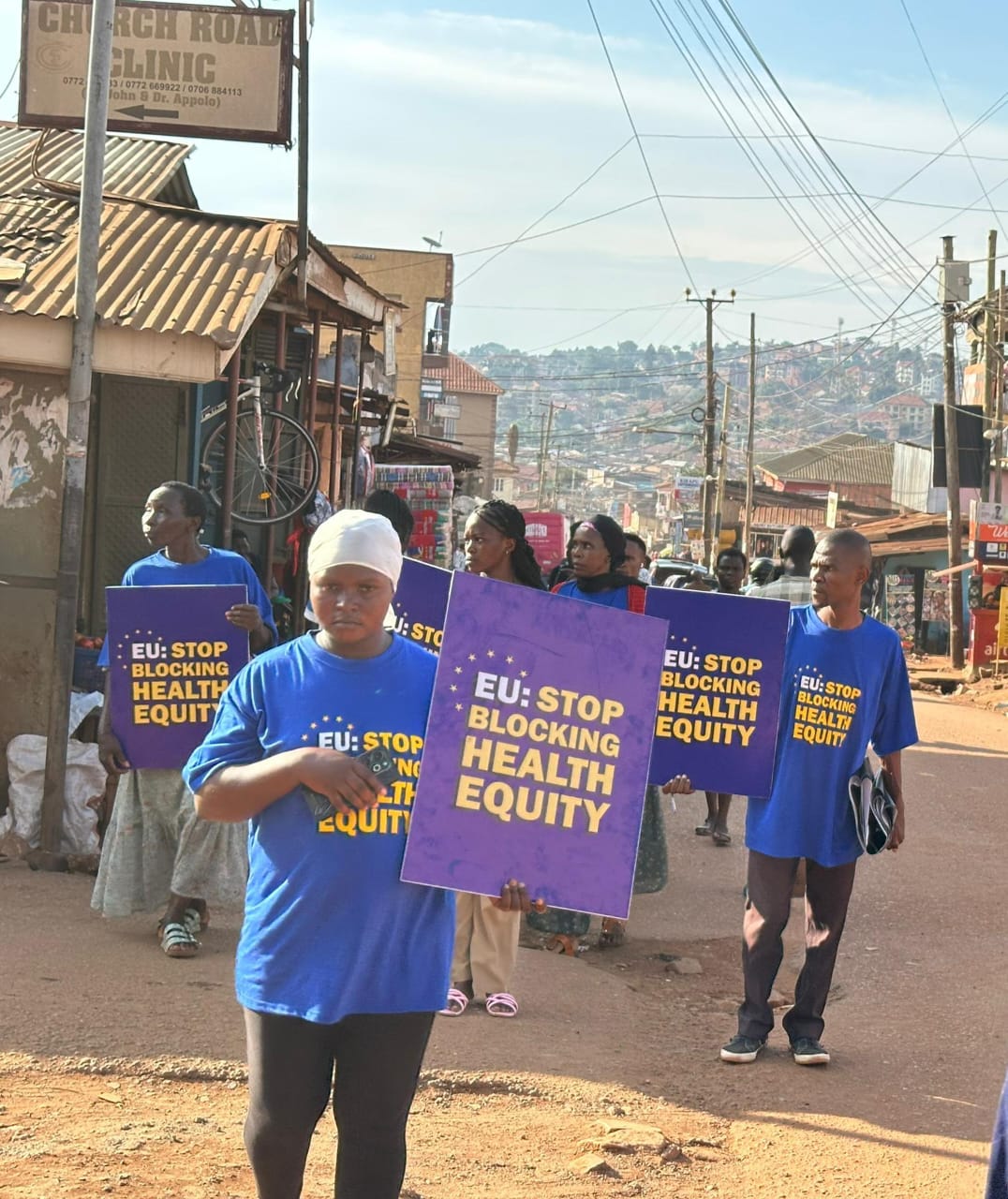
In Kamwokya, residents took to the streets carrying placards reading “EU stop blocking health equity”, with many describing the agreement as unfair and harmful to low-income communities.
Community members say the agreement risks restricting access to life-saving medicines and technologies, especially in informal settlements where access to healthcare is already limited.
“We are here to resist the agreement,” said Joseph Jjuko, a resident of Kamwokya. “We want the technologies used in treatment to be shared with us. We are a marginalized community, and any health risk affects us more because we cannot afford expensive care.”
The protest follows concerns earlier highlighted by Uganda Cares, which warned that such agreements could pose risks to vulnerable populations that depend on affordable treatment.
Kamwokya, an informal settlement with an estimated population of over 50,000 people, faces persistent health challenges linked to poverty, overcrowding and limited access to medical services conditions residents say make access to affordable medicines critical.
Leaders from nearby areas also echoed the concerns. Ssebatta Kabugie, a community leader from Kisenyi, said communities have a right to healthcare and should not be sidelined in international decisions.
“Our communities have a right to health. Any agreement that limits access to treatment is a danger to our people,” he said.
Residents are now calling on government and international partners to review the agreement and ensure that it does not undermine access to medicines, warning that the burden will fall most heavily on poor and marginalized communities.