
 Mama FM
Mama FM
Mama FM
25 March 2026, 3:10 pm
By Annet Nakato
Sexual and Reproductive Health and Rights (SRHR) issues continue to face widespread misinterpretation and competing narratives that limit access to essential services, particularly for women.
Anti-rights movements have played a significant role in spreading misinformation, instilling fear, and discouraging individuals from making informed decisions about their bodies.In many cases, SRHR is also politicized for personal or electoral gain.
Politicians often use related promises such as improving maternal health, providing sanitary pads, and expanding family planning services to attract support.
However, these commitments frequently remain unfulfilled, leaving communities disillusioned.
The rise of coordinated misinformation campaigns, especially online, has further undermined access to SRHR services.
Through fake accounts and platforms like WhatsApp, false claims portraying SRHR as a foreign agenda or linking sex education to immorality continue to mislead the public.
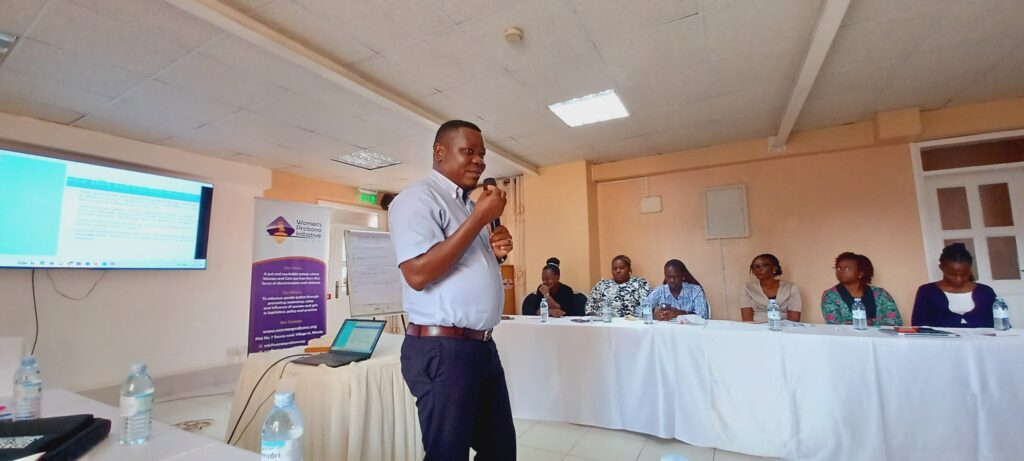
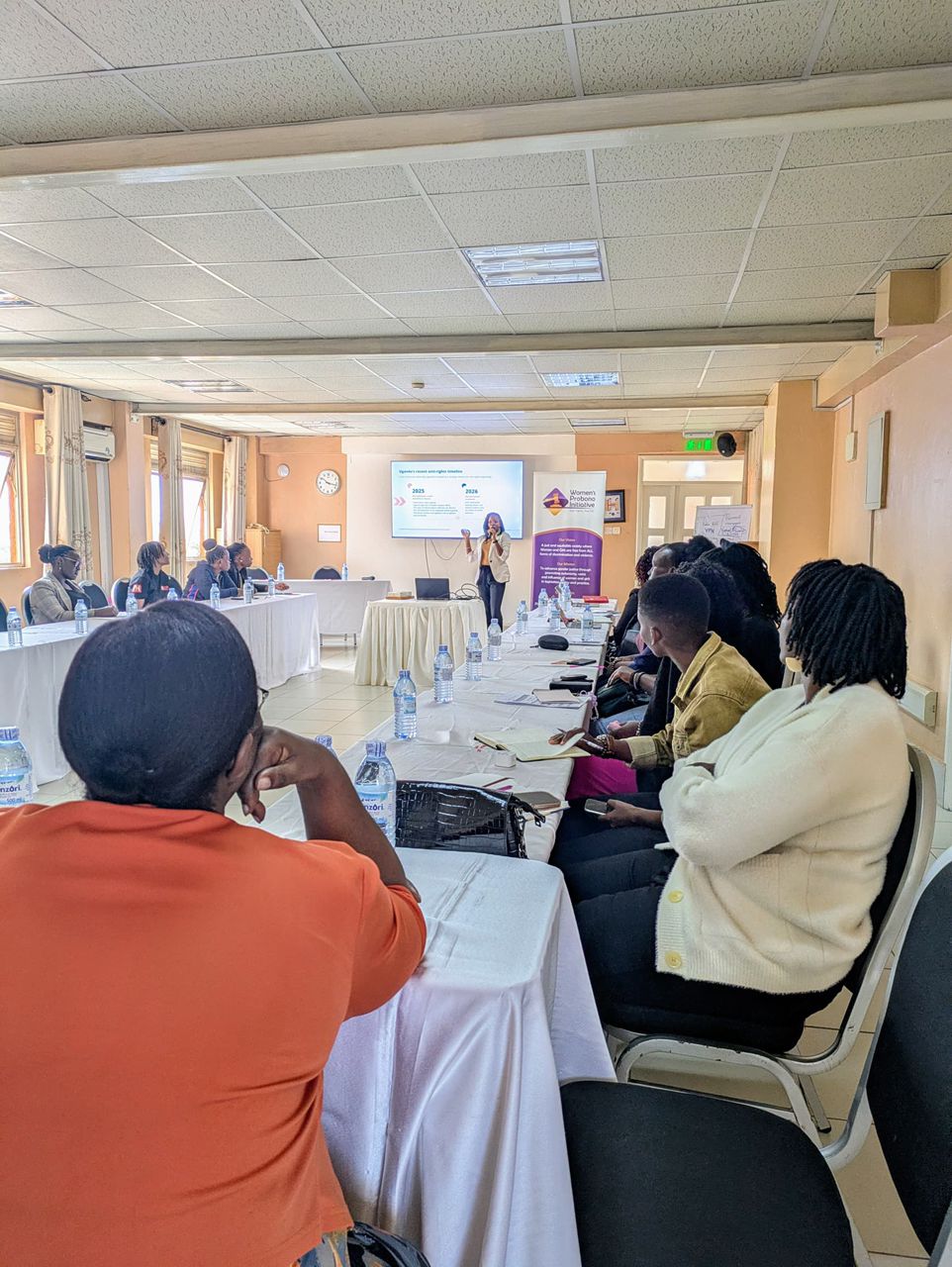
During a mentorship organized by the Women’s Probono Initiative , SRHR consultant Charles Owekmeno urged civil society actors to tailor their messaging to community realities and prioritize issues affecting women, girls, and young boys.
He also emphasized the need for CSOs to balance supporting government efforts with holding institutions accountable.

Human rights lawyer Angella Kyagera highlighted the importance of empowering communities with knowledge to claim their rights, report violations, and access justice. She also encouraged CSOs to prioritize funding aligned with community needs rather than donor-driven agendas.

Sandra Kwikiriza of Her Internet warned of increasing online harassment targeting SRHR advocates, including hacking, doxxing, and data breaches.
She called for stronger digital security measures and collective efforts to counter harmful narratives online.
Maureen Kinume from the SRHR Alliance emphasized the importance of outcome harvesting as a tool for tracking impact, improving accountability, and documenting change within communities.
Participants, including Maria Naiga Matovu of WERO, raised concerns about the marginalization of sex workers and the normalization of online and offline abuse against women. She called for greater solidarity among women to challenge such violations and hold perpetrators accountable.