
 Mama FM
Mama FM
Mama FM
7 April 2026, 11:19 am
By Byamukama Alozious
Ufahari Girls, a girl-led initiative advocating for the wellbeing, mental health, and rights of girls and young women, has launched a movement combining faith, mentorship, and mental health awareness in schools across Uganda to address the growing mental health crisis among young learners.
Working with local partners such as Nabu Network and Jesus Legacy Team, alongside professional volunteers, the initiative is conducting school outreach programs that support learners through prayer, dialogue, and psychological awareness.
The intervention comes at a time when mental health challenges among students are rising. Research among Ugandan adolescents shows that many secondary school learners experience symptoms of depression and anxiety, often without access to counselling services. Studies published by Springer Nature in 2025 indicate that nearly half of secondary school students experience behavioral and emotional difficulties linked to mental health conditions, affecting concentration and academic performance.
At the higher education level, the burden is even heavier. Findings indexed by PubMed Central (2022) report that over 80 percent of university students experience symptoms of depression, alongside extremely high levels of anxiety and stress highlighting how early academic pressures often escalate over time.
Despite this, Uganda’s mental health system remains under-resourced. According to the Makerere University School of Public Health, less than one percent of the national health budget is allocated to mental health services, coupled with a severe shortage of trained professionals. As a result, most schools lack structured psychological support systems.
Speaking during an outreach at Ndejje Secondary School which targeted girls, Ufahari Girls team leader Racheal Mutesi said many religious and social spaces fail to adequately address mental health, often either over-spiritualizing suffering or ignoring it altogether.
She noted that students today are under extreme academic pressure, with some being made to believe that anything less than perfection is failure.
Mutesi cited a recent tragic case in which a schoolgirl reportedly took her own life after narrowly missing top academic marks scoring 19 points instead of 20 at A-Level.
“She had 19 points, which is already an excellent performance. But the pressure we are putting on children is making them believe that anything less than perfection means their life is over,” she said.
She warned that such thinking reflects a deeper societal problem where success is narrowly defined through academic performance, leaving little room for alternative paths of achievement. She emphasized the need to remind young people that life offers multiple opportunities beyond exam results.
Nabuguzi Kiwanuka, speaking on behalf of Nabu Network, said the current education environment leaves many students without time for personal growth, creativity, or emotional rest.
“Students are occupied day and night with academic demands,” she said, noting that this limits opportunities for self-reflection and talent development.
She emphasized the importance of nurturing alternative talents such as music, sports, arts, and entrepreneurship, arguing that these should be recognized as valid expressions of success. She pointed to figures like Bobi Wine and Jose Chameleone as examples of individuals who have built impactful careers outside traditional academic pathways.
“We need to tell young people that there is another way. If you don’t get the perfect score, it does not mean your life is finished,” she said.
Nabuguzi added that the initiative is also responding to a long-standing gap in how society understands children’s needs. For years, many adults have assumed that as long as children have food, shelter, and clothing, they are fine overlooking their emotional and psychological wellbeing.
Today, more young people are struggling internally, and in some cases, dying by suicide. Toward the end of last year, a reported case of a primary school child dying by suicide raised urgent concerns about the kind of conversations society is having with children and the beliefs they carry about their self-worth.
During one of the sessions, facilitators observed that many girls hesitated when reciting affirmations such as “I am loved,” revealing deep struggles with self-worth.
“This showed how easily young people grow up believing they must earn love through performance or approval,” she said. “That belief affects both emotional and mental wellbeing.”
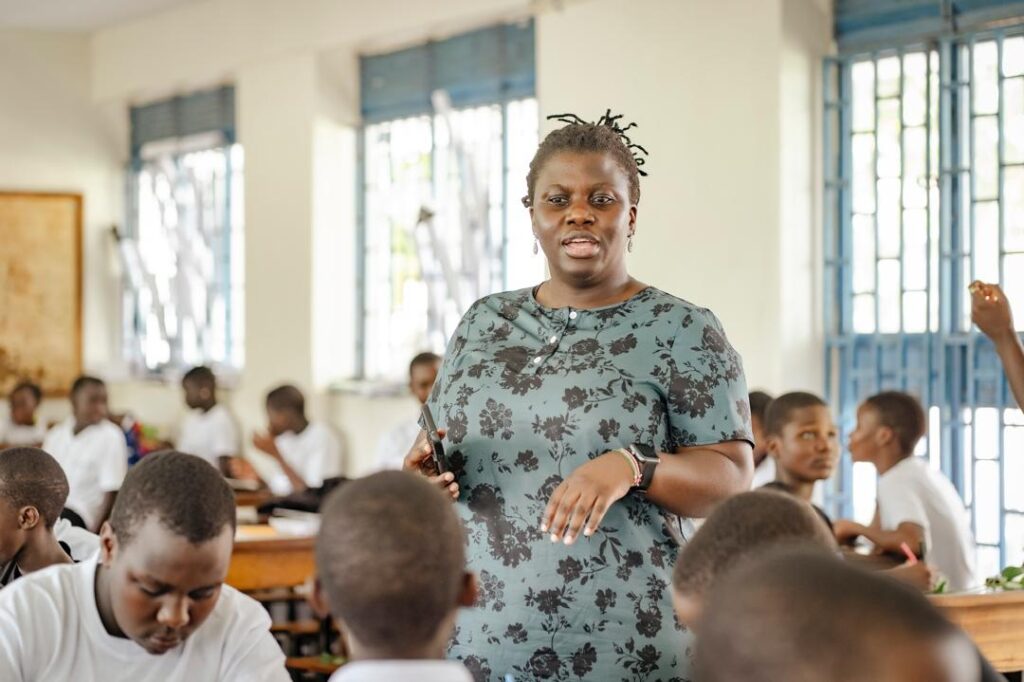
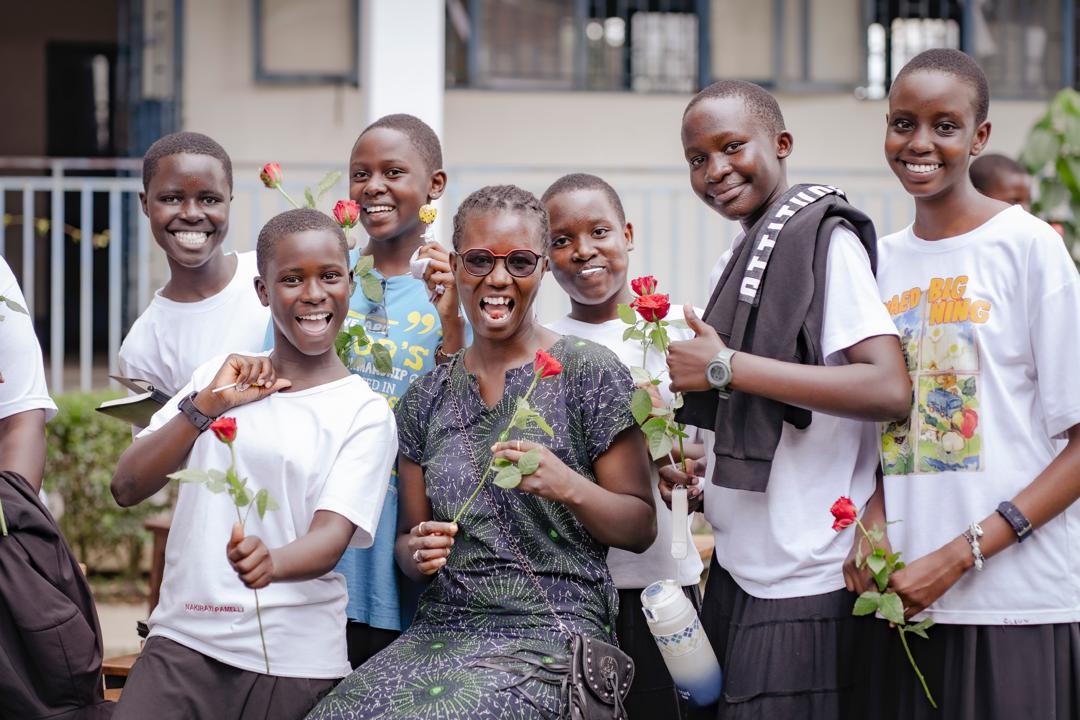
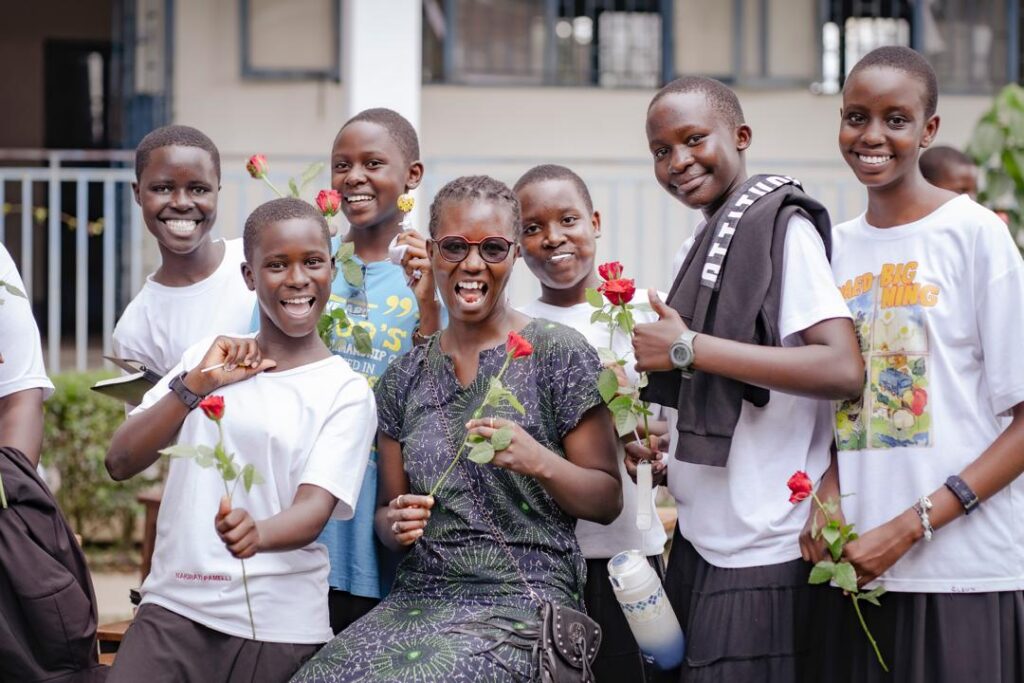
During the Ndejje outreach, more than 900 girls from Senior One to Senior Five participated in sessions focused on mental health awareness, self-worth, and personal development. The program also addressed issues such as menstrual stigma, gender-based violence, and low self-esteem.
Organisers say the initiative is designed to integrate faith with practical mental health support, helping learners cope with pressure while also discovering their talents and purpose.
Ufahari Girls plans to expand its outreach to more schools across Uganda, although funding remains a key challenge. The organisation is now seeking partnerships to scale up its work and strengthen school-based mental health support systems, ensuring that no learner is left to struggle in silence.