
 Mama FM
Mama FM
Mama FM
19 May 2026, 12:39 pm
By Byamukama Alozious
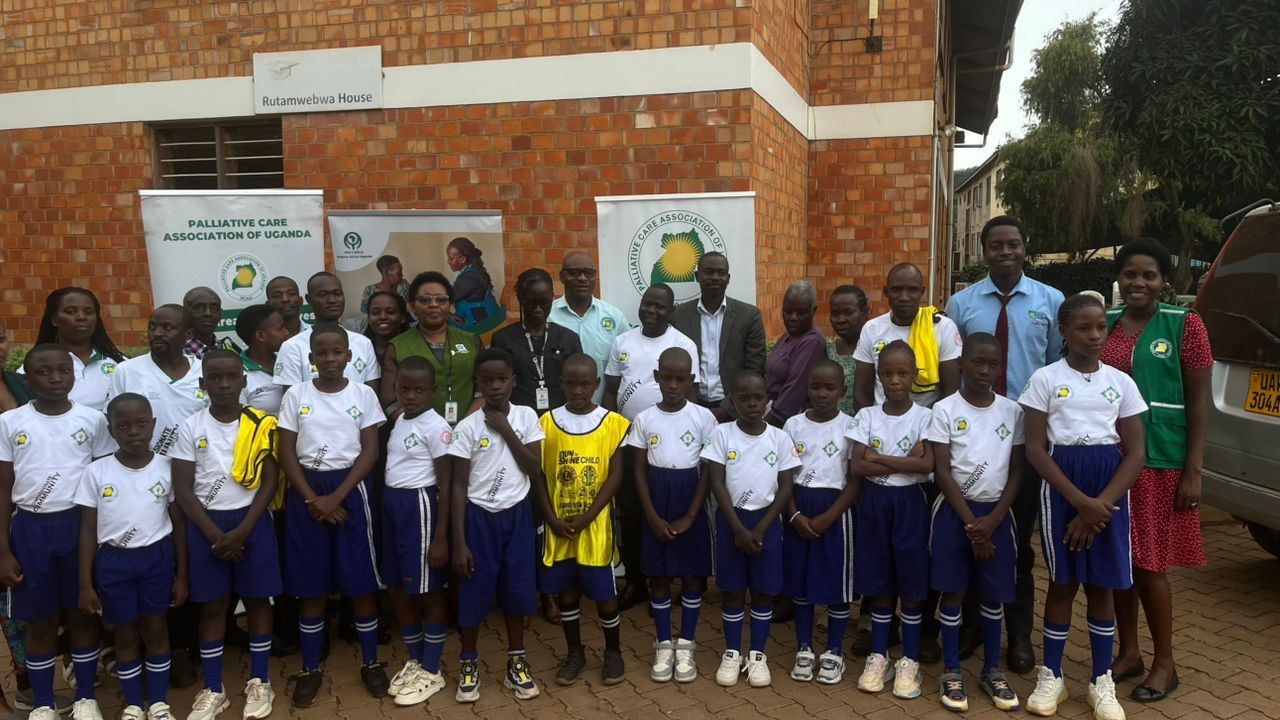
Health experts and education stakeholders are calling for the expansion of palliative care clubs in schools across Uganda, saying the initiative is transforming students into compassionate community leaders while extending support to vulnerable patients and families.
Speaking during a palliative care engagement, Dr. Miriam Ajambo, Principal Medical Officer at the Ministry of Health, praised schools and volunteers championing compassionate care, describing their efforts as a powerful example of service beyond the classroom.
“We would actually be happy to get as many schools as possible onto the compassionate community concept,” Dr. Ajambo said. “We need to make sure that every region in the country gets this concept and starts implementing it.”
She commended leaders and mentors supporting the initiative, saying their dedication was helping to spread palliative care awareness in schools and communities.
Dr. Ajambo noted that the Ministry of Health is working with partners to expand compassionate care clubs beyond health facilities into primary, secondary, and tertiary institutions. According to her, schools have become important spaces where young people learn empathy, volunteerism, and community service.
“We were saying that it should not just end with the health facilities, but schools within those regions also need to get this concept and start implementing it,” she explained. “The moment students buy into it, the fire keeps burning.”
She added that regions already implementing the initiative, including Ishaka and hoima in western Uganda , are providing examples that can inspire the rest of the country.
Adding his voice to the discussion, Mark-Donald Mwesiga, the Executive Director of the Palliative Care Association of Uganda, said introducing palliative care clubs in schools would help shape a more compassionate generation.
Mwesiga noted that starting palliative care groups in primary schools, secondary schools, and skilling institutions would promote empathy, humility, kindness, and care among young people.
“If palliative care starts taking root in schools, learners grow up understanding the value of caring for others and supporting vulnerable people in society,” he said.
The impact of the clubs was shared by Precious Tashobya, a student midwife and President of the Palliative Care Club at Ishaka Adventist School of Nursing. Precious narrated how her journey into palliative care began while volunteering at Ishaka Adventist Hospital .
“I loved serving even before I knew much about medicine,” Precious said.
She recalled caring for a two-week-old baby left behind after the death of the mother, with students volunteering in shifts to look after the child until support could be found.
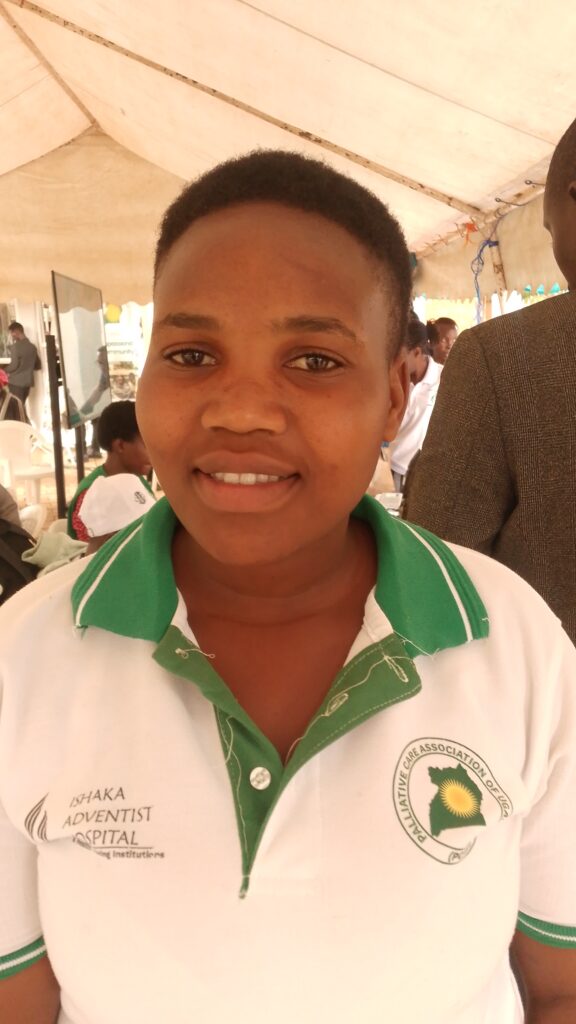
The club later expanded its activities into villages through home visits, where members supported cancer patients, vulnerable mothers, and abandoned children. Precious said students often contributed small amounts of money from their own pockets to buy food and transport for patients seeking treatment.
“One patient with cancer had failed to get transport to Mbarara for treatment and remained home suffering,” she said. “We visited her, contributed money as students, and helped take her to hospital where she later received support.”
According to Precious, the compassion shown by students attracted support from donors, including a sponsor from the United States who contributes monthly funding to support club activities and vulnerable families.
The clubs have also inspired cleanliness campaigns and peer support initiatives in schools. Precious said students voluntarily clean hospital compounds and support fellow learners facing family and health challenges.
“It is very important to have palliative care clubs in schools because students learn to care for others willingly,” she said. “Now many people call us sisters because of the support we give.”
Dr. Ajambo further urged communities to remain vigilant against Ebola, encouraging the public to observe health precautions during gatherings.
“We should avoid unnecessary handshakes and hugging for now until the country is declared Ebola-free,” she cautioned. “Let us sanitise and keep ourselves and our communities safe.”
She also paid tribute to Professor Anne Merriman for her contribution to palliative care in Uganda and across Africa, saying her legacy continues to shape compassionate healthcare systems on the continent.
“Whenever you talk about palliative care in Uganda and Africa, you cannot fail to mention Professor Anne Merriman,” Dr. Ajambo said. “Her legacy is everywhere across the country.”