
 Mama FM
Mama FM
Mama FM
20 May 2026, 9:01 am
By Byamukama Alozious
National candlelight memorial day celebrations have renewed calls for stronger HIV prevention, treatment, and protection of women and girls as leaders, health experts, activists, and young people reflected on the country’s HIV burden and remembered lives lost to AIDS-related illnesses.
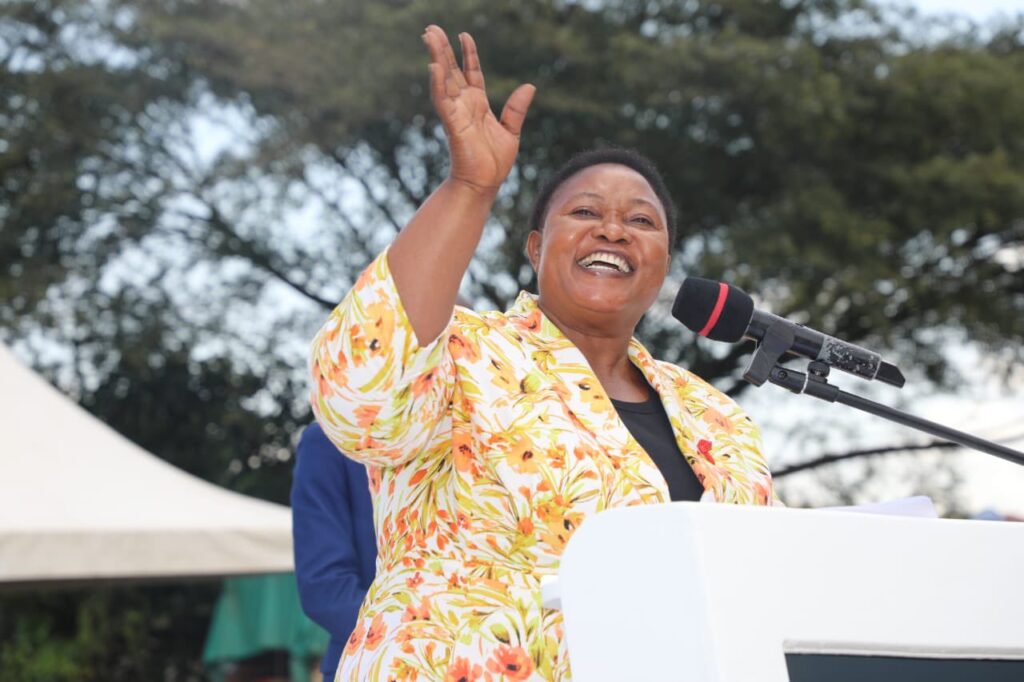
Held in Kampala city on 19th May 2026, the memorial brought together people living with HIV, government officials, health workers, civil society organisations, and youth advocates. Minister for the Presidency Milly Babalanda said stigma remains one of the biggest barriers preventing people from accessing HIV services. She said government is aware of the growing global funding gaps affecting HIV programs but assured Ugandans that efforts are ongoing to strengthen local responses.
Babalanda highlighted five priority areas government is focusing on, including HIV prevention among young people, fighting stigma in workplaces, schools, and health facilities, encouraging regular HIV testing and enrollment into care, strengthening parental guidance for children, and increasing local investment in HIV programs. She also called upon men to embrace HIV testing and urged communities to support people living with HIV instead of discriminating against them.
Officials from the Ministry of Health and other stakeholders emphasised the need for stronger community awareness, early HIV testing, treatment adherence, and protection of women and girls who continue to face the highest burden of HIV infections in Uganda.
Dr. Vincent Bagambe applauded the efforts of the Uganda AIDS Commission, NGOs, and networks of people living with HIV for sustaining Uganda’s HIV response over the years. He also commended President Yoweri Museveni and First Lady Janet Museveni for championing HIV/AIDS awareness and mobilisation campaigns in Uganda.
Young people living with HIV also used the memorial to encourage fellow youth to know their HIV status and fight stigma. Namsvi Ajacenta, a youth advocate and former Miss Y Plus Eastern Region 2020/2021, said events such as the Candlelight Memorial Day help young people understand that they are not alone.
“These gatherings give us courage, hope, and energy to continue the fight against HIV and stigma,” she said.
Ajacenta encouraged young people to test for HIV, saying knowing one’s status is the first step toward protection and treatment.
Ikyomukama Flavia, Executive Director of National Forum of People Living with HIV/AIDS Networks in Uganda, said the day serves as both a remembrance and a reminder that HIV remains a major public health challenge in Uganda.
Flavia revealed that Uganda’s HIV prevalence currently stands at 4.9 percent, with an estimated 1.5 million people living with HIV nationwide. She noted that women continue to carry the biggest burden of the epidemic.
According to recent HIV estimates, about 910,000 women aged 15 years and above are living with HIV compared to about 520,000 men. Uganda also recorded approximately 38,000 new HIV infections in recent years, with women accounting for the biggest percentage of the infections.
She warned that despite the availability of antiretroviral treatment, many people still seek treatment late when their health condition has already deteriorated.
“For the young generation who never saw people dying like skeletons during the early HIV years, HIV is still here, and people are still dying because some delay to test and begin treatment,” Flavia said.
Flavia also revealed that nearly 4,700 babies are born with HIV every year in Uganda, calling for stronger prevention of mother-to-child transmission services and increased support for women of reproductive age.
“This year is about embracing the role of women. Women are not only mothers and caregivers, but they are also among the most affected by HIV,” she said.
She added that women continue to face structural barriers such as poverty, gender-based violence, rape, defilement, low education levels, and limited power to negotiate for safer sex, factors that continue to fuel HIV infections among adolescent girls and young women.
Data shared during the memorial indicated that HIV prevalence among women in Uganda stands at 6.4 percent compared to 3.4 percent among men, highlighting the disproportionate burden women continue to face.
Flavia further cited police crime reports showing more than 11,000 defilement cases reported by 2025, warning that many adolescent girls and young women remain vulnerable to HIV infection due to sexual violence and exploitation.
As candles were lit in memory of those lost to AIDS-related illnesses, speakers called for stronger collective action to end stigma, protect women and girls, expand access to treatment, and ensure people living with HIV live longer and healthier lives.