
 Tembo FM
Tembo FM
Tembo FM
30 July 2026, 5:55 pm
By Otim Moses
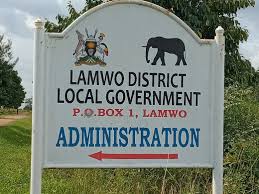
The effects of climate change are becoming increasingly evident in Lamwo District, where prolonged drought has triggered a severe food crisis that has claimed eight lives and left 126 people hospitalized with hunger-related illnesses.
Speaking during a press conference organized by the Acholi Local Government Leaders Forum in Gulu City, Lamwo District LCV Chairperson Oyet Sisto Ocen, who also serves as the General Secretary of the Acholi Local Government Leaders Forum, described the situation as a humanitarian emergency driven by prolonged dry conditions that have destroyed crops and drastically reduced food production.
Ocen said crops planted during the first rainy season dried up before reaching maturity due to inadequate rainfall, leaving many households without food. He warned that the death toll could rise if urgent interventions are not implemented.
Several children suffering from severe acute malnutrition have been referred to the nutrition treatment centre at Labworomor, where humanitarian organizations are providing life-saving treatment.
The worsening drought has also forced some families from the hardest-hit areas, including Madi Opei Sub-county, to leave their homes in search of areas with better rainfall and food availability.
The crisis highlights the growing impact of climate variability on communities that depend on rain-fed agriculture. Increasingly unpredictable rainfall, prolonged dry spells, and rising temperatures are undermining food security, livelihoods, and household resilience across northern Uganda.
The drought has also affected parts of Kitgum District, particularly Orom East and Namokora sub-counties, as well as neighboring Agago District, where local leaders have reported increasing hunger-related deaths and rising food insecurity. Many households are struggling to access sufficient food following consecutive poor harvests.
Ocen appealed to the Government of Uganda and humanitarian partners to provide emergency food assistance while investing in long-term climate adaptation measures such as irrigation schemes, drought-tolerant crop varieties, water harvesting technologies, and climate-smart agriculture to strengthen community resilience against future climate shocks.
Meanwhile, the Office of the Prime Minister has already begun distributing relief food to drought-affected communities in the Karamoja sub-region. Residents of Lamwo, Kitgum, and other affected districts are now awaiting similar emergency food assistance as the hunger crisis continues to worsen.
The Lamwo Resident District Commissioner (RDC), Mr. William Komakech, has said that climate change has had a devastating impact on communities in the district, with prolonged drought preventing crops from maturing and worsening food insecurity.
Mr. Komakech revealed that the list of the most affected households has already been submitted to the Office of the Prime Minister for emergency food relief.
He urged residents to take advantage of the ongoing rains by planting fast-maturing crop varieties to improve household food production.
The RDC also appealed to the community to stop cutting down trees for charcoal burning and timber. He warned that widespread deforestation has contributed significantly to the recurring drought in the district.
According to Mr. Komakech, Lamwo has been among the leading districts in tree cutting for charcoal and timber over the past three years, a practice that has worsened the effects of climate change.
He called on residents to protect the environment by planting and conserving trees as a long-term solution to the district’s climate challenges.