
 Tembo FM
1 October 2026, 7:10 am
By Isaac Olweny
Misconceptions about sexually transmitted infections and family planning are emerging as concerns in Palabek Refugee Settlement, with health workers and community members engaging in efforts to separate medical facts from long-held beliefs.
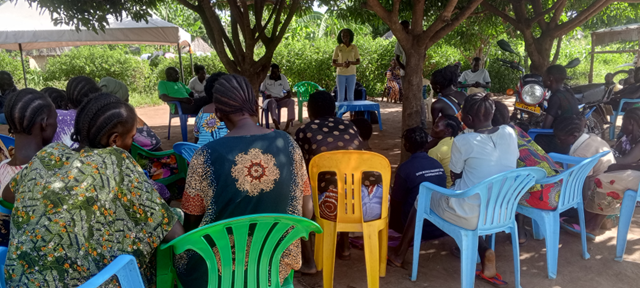
The concerns came to light during a community meeting in Zone 3 on September 30, where 118 residents questioned a midwife about contraceptive methods, STI transmission and treatment, revealing the need for more accessible and reliable reproductive health information.
Some residents expressed fears that sexually transmitted infections could spread through shared bathing water and household washing facilities, prompting the midwife from Akworo Health Centre III to clarify how infections such as HIV, gonorrhoea and syphilis are transmitted.
The discussion also exposed questions surrounding contraceptive implants, fertility after stopping family planning and possible side effects, issues that can influence people’s decisions about whether to use contraceptives.
Organised by Reproductive Health Uganda in partnership with ADRA Uganda under the STRENGTH Project, the meeting brought together 80 women and 38 men in an effort to address misinformation that local leaders had identified as a barrier to family planning.
The health sensitization during the meeting focused on condom use, STI testing and treatment, with participants receiving condoms and being encouraged to seek medical advice rather than rely on self-medication.
Ms. Brenda Akello a midwife at Akworo health center emphasized the importance of seeking timely treatment and ensuring that sexual partners obtain appropriate medical assessment where necessary to reduce the risk of reinfection.
However, access to accurate information is not the only challenge facing residents. Participants raised concerns about some men delaying medical care and the limited availability of safe water, which has forced some households to depend on streams for domestic use.
The engagement is part of broader community health efforts in Lamwo District, where RHU and its partners are using community dialogue to encourage informed reproductive health decisions and strengthen links between residents and health facilities.
The organisers have called for continued public sensitisation, greater involvement of men in family planning discussions and stronger access to counselling, testing and treatment services.
While the meeting provided residents with an opportunity to challenge misconceptions directly with a health professional, sustained community engagement will be necessary to determine whether the discussions lead to lasting changes in attitudes and health-seeking behavior.