
 Tembo FM
Tembo FM
Tembo FM
7 October 2026, 11:02 am
Report by: Isaac Olweny
Palabek, Lamwo District — Refugees in Palabek Settlement continue to face significant challenges in accessing and embracing family planning services, with health workers and community members calling for sustained sensitisation to address cultural barriers and misconceptions.
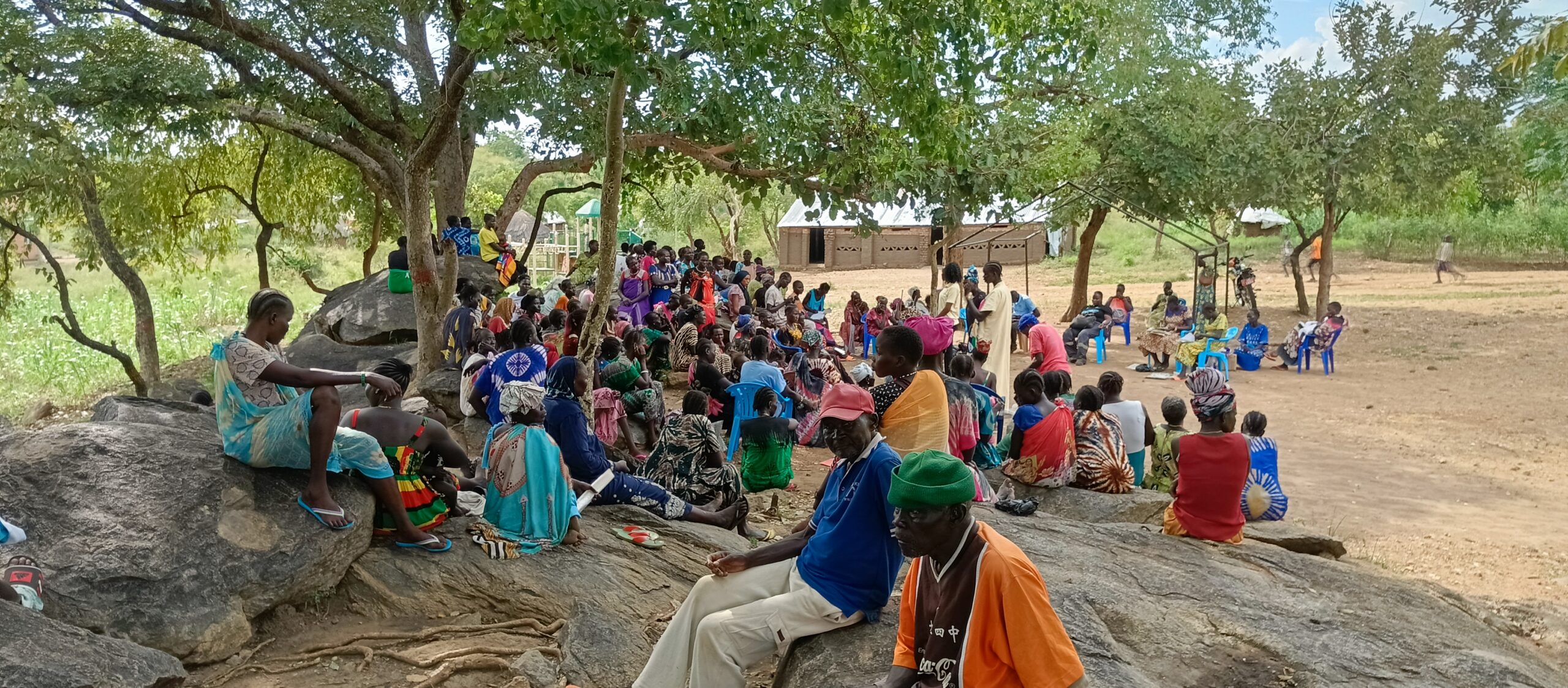
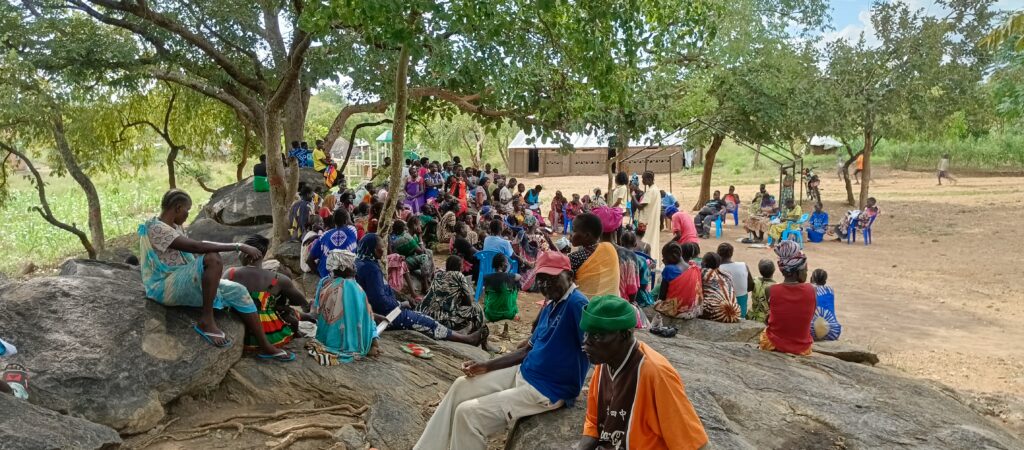
During a reproductive health awareness session in the settlement, community members raised concerns over increasing cases of sexually transmitted infections (STIs) and risky sexual behaviour, particularly among young people.
Ms. Poli Lorna Agnes, a community member in her 50s, said health advocacy programmes need to be conducted regularly through community dialogues to create space for both women and men to discuss sexual and reproductive health openly.
She said involving men is particularly important because some women face challenges when making decisions about family planning without the support of their partners.
Poli also expressed concern about risky sexual behaviour among both young people and older members of the community, urging residents to take greater responsibility for protecting themselves from STIs and unintended pregnancies.
Akwero Brenda, a midwife at Akworo Health Centre III in Lamwo District, said health workers continue to face difficulties promoting family planning because Palabek is home to people from diverse cultural and tribal backgrounds.
She explained that some communities remain strongly attached to traditional beliefs about childbearing, with some families expecting women to give birth almost every year. Others reject modern family planning methods because they consider them inconsistent with their cultural norms.
Akwero said continuous dialogue is therefore necessary to help communities understand the benefits, possible concerns and available options regarding family planning and STI prevention.
The health session also highlighted concerns about child malnutrition, with health workers linking large family sizes and limited household resources to challenges in providing adequate care and nutrition for children.
Some malnourished children in the settlement receive Ready-to-Use Therapeutic Food (RUTF), locally referred to as Odii Neto, as part of efforts to manage malnutrition.
The awareness session was organised by Reproductive Health Uganda (RHU) to strengthen community knowledge on sexually transmitted infections, family planning, gender-based violence and broader sexual and reproductive health and rights (SRHR).
Ms. Rita Layet, the Lamwo district focal person for Reproductive Health Uganda, said the organisation is working to promote safer communities and reduce health risks associated with poor sexual and reproductive health practices.
However, she acknowledged that changing deeply rooted attitudes and cultural beliefs remains a major challenge.
Health workers say regular community dialogue, greater involvement of men and culturally sensitive health education will be critical in improving uptake of family planning and preventing STIs in Palabek Settlement.