
 Shine FM
Shine FM
Shine FM
8 September 2026, 11:57 pm
By Eman Yonah Oruk
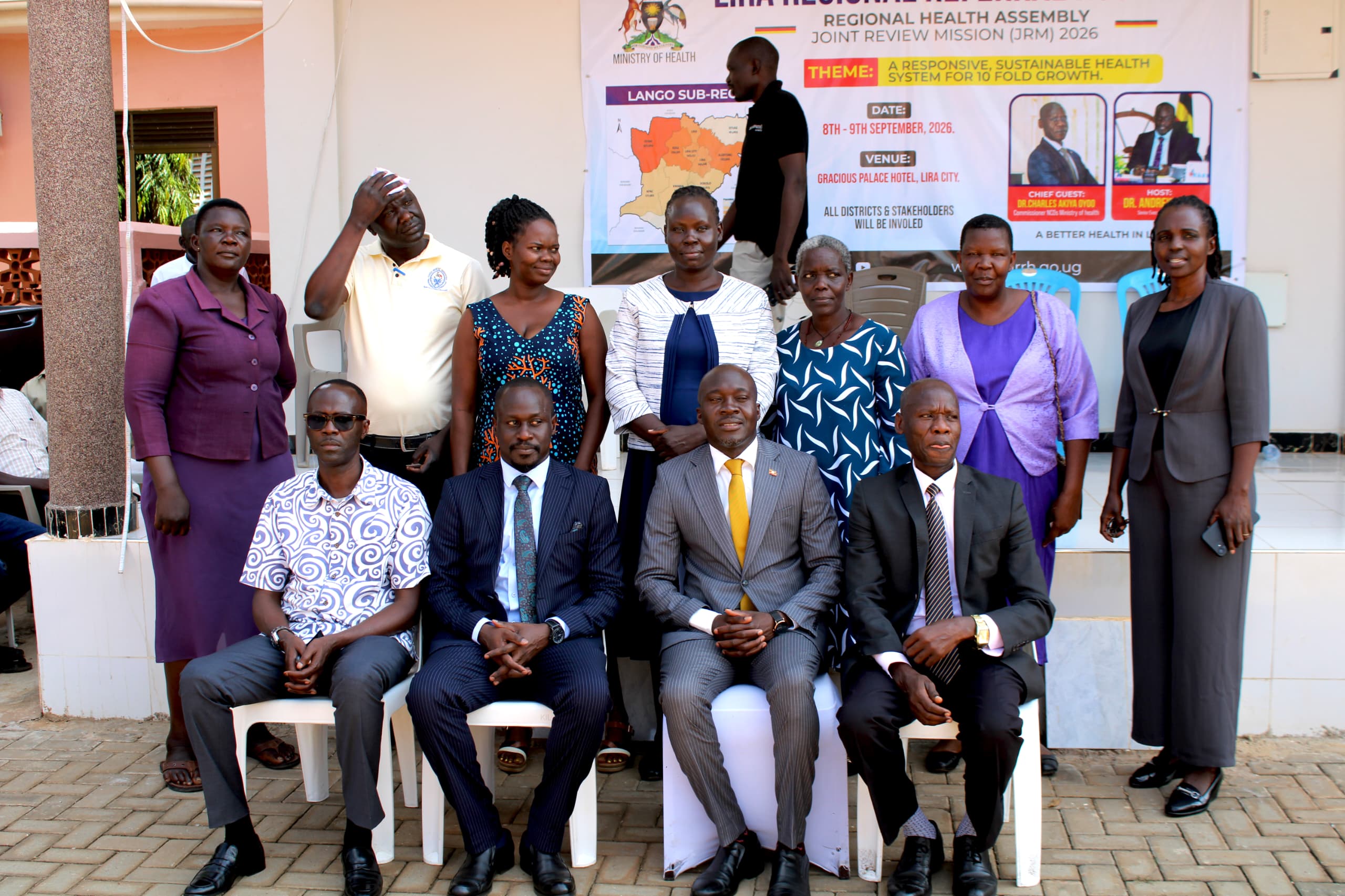
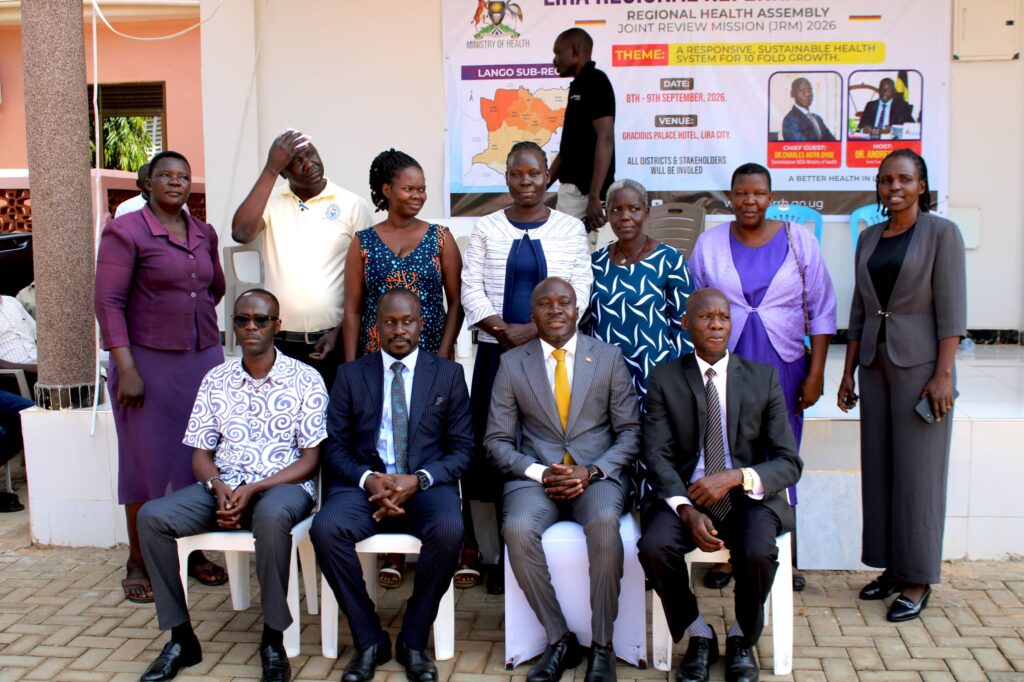
Oyam and Kole districts are leading the Lango Sub-region in teenage pregnancy rates, each recording 26 per cent, according to figures presented during the 2026 Lango Regional Health Assembly and Joint Review Mission. The meeting was held at Gracious Palace Hotel in Lira City under the theme: “A Responsive, Sustainable Health System for 10-Fold Growth.”
The overall teenage pregnancy rate in the Lango Sub-region stands at 23 per cent, higher than the national average of 18 per cent. Other districts also recorded worrying figures, with Amolatar, Kwania, Otuke, Lira and Alebtong each at 24 per cent, Dokolo at 23 per cent, Apac at 22 per cent, while Lira City registered the lowest rate at 14 per cent.
Health officials expressed concern, noting that the situation requires joint efforts from families, cultural leaders, political leaders, schools, police and the health sector.
Kole District Health Officer Dr Richard Ojede said the region should not be proud of leading in teenage pregnancy rates, attributing the problem to family breakdown, poverty, school dropouts, early marriages, weak enforcement of laws against defilement, sexual and gender-based violence, and limited sex education within families.
He further linked the challenge to the effects of the insurgency, which disrupted traditional family structures and contributed to school dropouts.
Lira Regional Referral Hospital Senior Executive Consultant Dr Andrew Odur highlighted the growing burden of sickle cell disease, estimating its prevalence at between 20 and 25 per cent.
He revealed that the hospital’s sickle cell clinic receives about 1,600 children and young people weekly and called for the documentation of clan backgrounds to establish patterns for targeted interventions.
Odur urged health leaders to shift their focus from curative approaches to prevention, citing the rising burden of non-communicable diseases, malaria and emerging outbreaks.
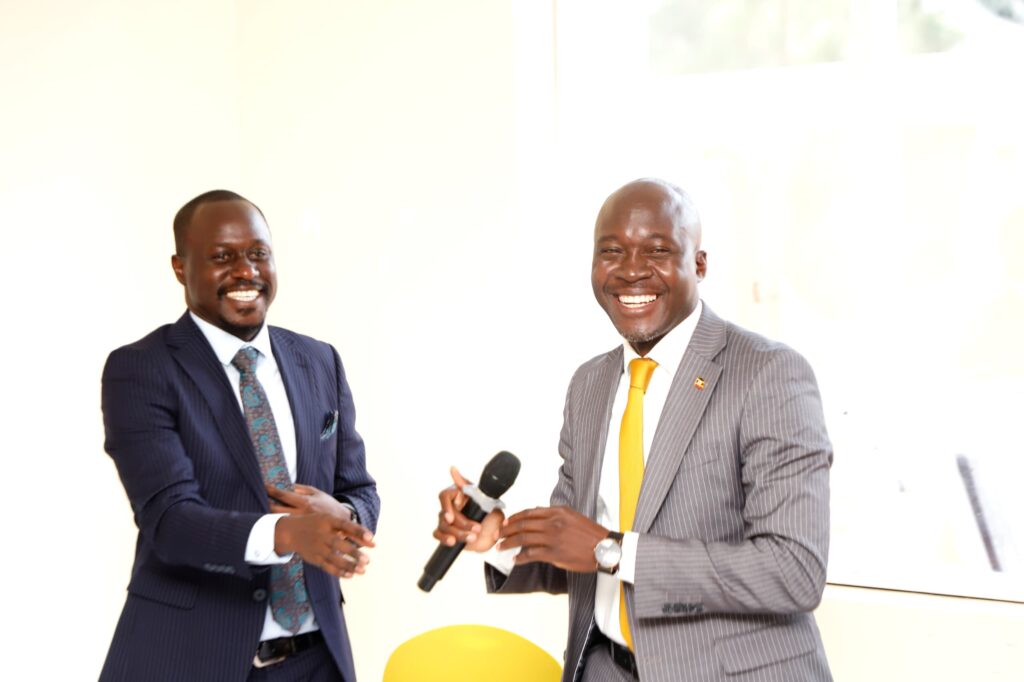
Hon Patrick Ogwang Obura, Member of Parliament for Oyam County South and Chairperson of the Lango Parliamentary Group, urged greater collaboration between health authorities and political leaders.
He emphasised that MPs can lobby for resources when technical leaders provide timely information on critical gaps. He identified staffing and infrastructure as major challenges and raised concerns over absenteeism among health workers.
He called on the 12th Parliament to work closely with District Health Officers to address these gaps and strengthen accountability.
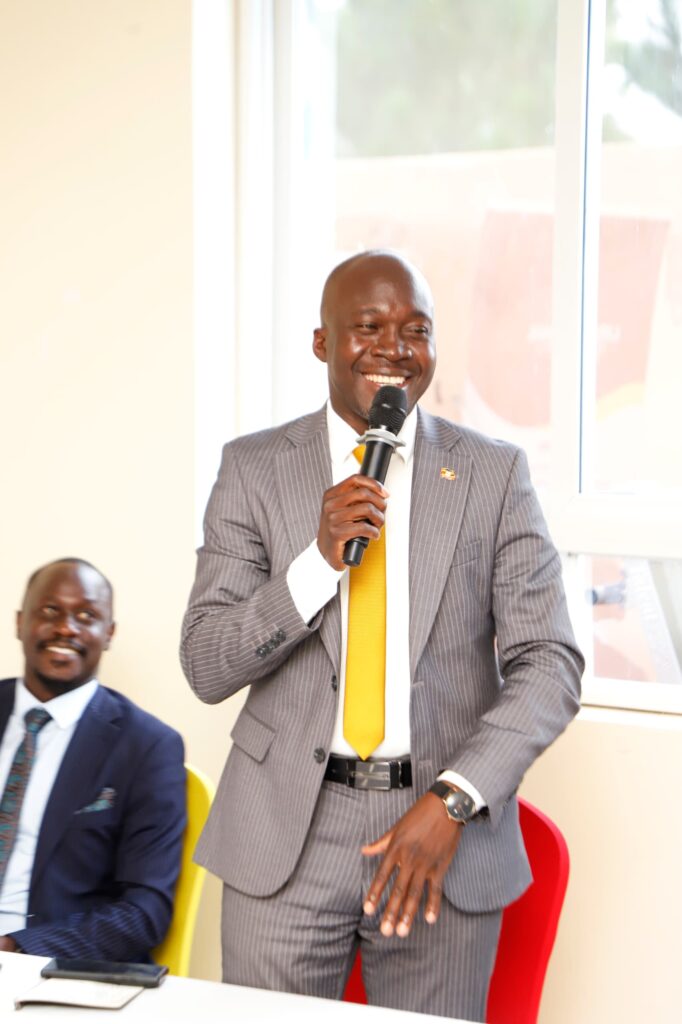
Resident District Commissioner of Amolatar Francis Okello Odoki Rwotlonyo described sickle cell disease as one of the “forgotten surges” in the region. He also raised concern over road traffic accidents, attributing more than 80 per cent of emergency ward casualties to reckless riding and driving, and urged motorists to observe road safety measures.
Apac District LCV Chairperson Ambrose Agec Opio, who also chairs all LCV leaders in Lango, called for increased government support for electronic health systems. He cited inadequate digital gadgets, poor network connectivity and unreliable electricity as barriers, pointing to delays at Olelpek Health Centre III due to challenges with the e-register system.
The two-day Regional Health Assembly, held under the theme “A Responsive, Sustainable Health System for 10-Fold Growth”, opened on Tuesday, 8 September, and concluded on Wednesday, 9 September.