

 Shine FM
Shine FM
Shine FM
9 September 2026, 9:51 pm

By Eman Yonah Oruk
Health leaders in Lango are raising concern over hepatitis B, which they say is heavily affecting adults aged 25 to 40.
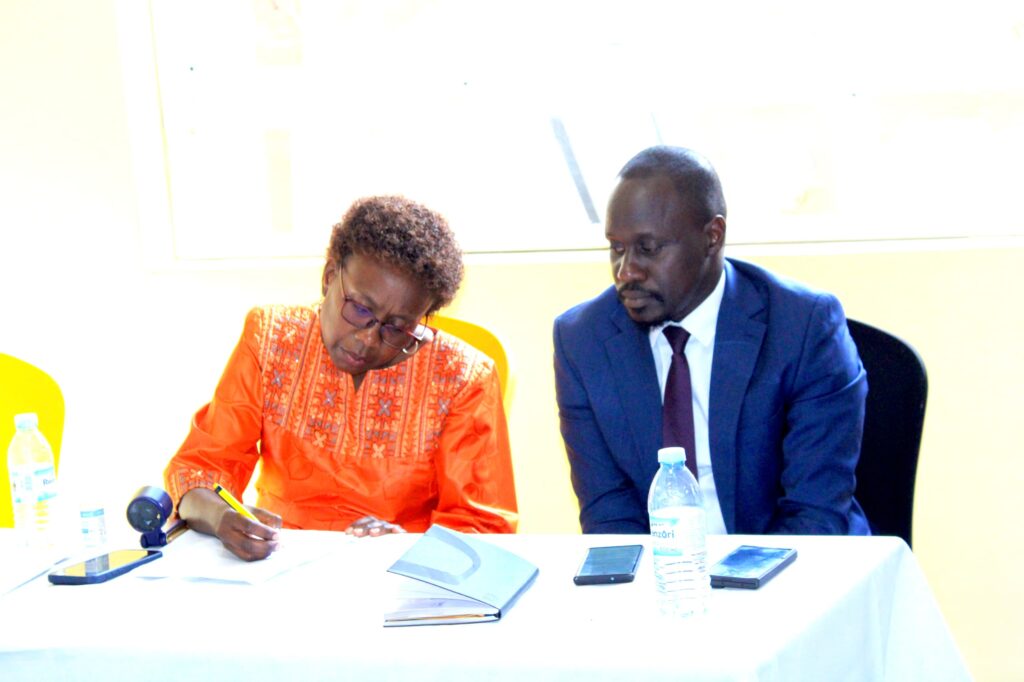
Speaking on the second day of the 2026 Lango Regional Health Assembly and Joint Review Mission meeting held at Gracious Palace Hotel in Lira City, Government Chief Whip and former Health Minister Dr Jane Ruth Aceng Ocero urged the public to take prevention and regular medical check-ups seriously.
Dr Aceng said Uganda’s growing population is increasing demand for health services while government resources remain limited. She urged people to regularly test for malaria, hepatitis B, HIV and syphilis, saying prevention reduces government spending on treatment and that good health is family wealth.
Oyam District LC5 Chairperson Nelson Adea Akar Mogo-Amoga said he fears there may be suspected cases of hepatitis B along the River Nile, particularly in the Atura area, where he claims several people have reportedly died after showing similar symptoms. He called on health authorities to investigate the matter.
He also reported a heavy workload among health workers due to staff shortages and appealed for increased recruitment and funding for health and education.
Ministry of Health focal point person for viral hepatitis B, Akuno Doreen, clarified that the hepatitis B vaccine does not cause infection. She said the vaccine helps the body develop antibodies and described claims that it causes hepatitis B as a myth.
Akuno added that hepatitis C is curable when diagnosed and treated early, but may cause irreversible liver damage if treatment is delayed.
She said hepatitis viruses can be transmitted from mother to child and through the use of contaminated or non-sterile equipment, and urged health workers to maintain proper hygiene.
Kole District Health Officer Richard Ojeda reported frequent drug stock-outs, which he attributed to the distribution system. He asked the National Medical Stores to strengthen regional centres to reduce delays in supplying northern Uganda.
Ojeda also said medicine allocation should be based on population and consumption, rather than simply the number of health facilities. He further raised concerns about wastage caused by the short shelf life of some antiretroviral drugs.
Kwania District LC5 Chairperson KK Akaca also reported frequent drug shortages affecting patients. He further raised concerns about inadequate cold-chain facilities, including the use of domestic refrigerators to store blood, which he said puts patient safety at risk.