
 Shine FM
10 November 2026, 3:14 pm
By Solomon Okello
Oyam, Uganda – The Foundation for Inclusive Community Help (FICH), a non-governmental organisation operating in Oyam District with support from GRIC Africa, has graduated 40 girls following the successful completion of a nine-month vocational skills training programme.
The graduation ceremony was held recently at the FICH offices and officiated by Oyam District Inspector of Schools, Geoffery Ivan Isingoma.
Addressing the graduates, Isingoma said vocational education, which was previously regarded by some people as an option for academically unsuccessful learners, had become an important avenue for economic empowerment and self-employment.
He observed that opportunities for formal white-collar employment were increasingly limited, making vocational skills an important alternative for young people seeking sustainable livelihoods.
Isingoma urged the graduates to put their newly acquired skills into practice, believe in their abilities and work hard to achieve economic independence.
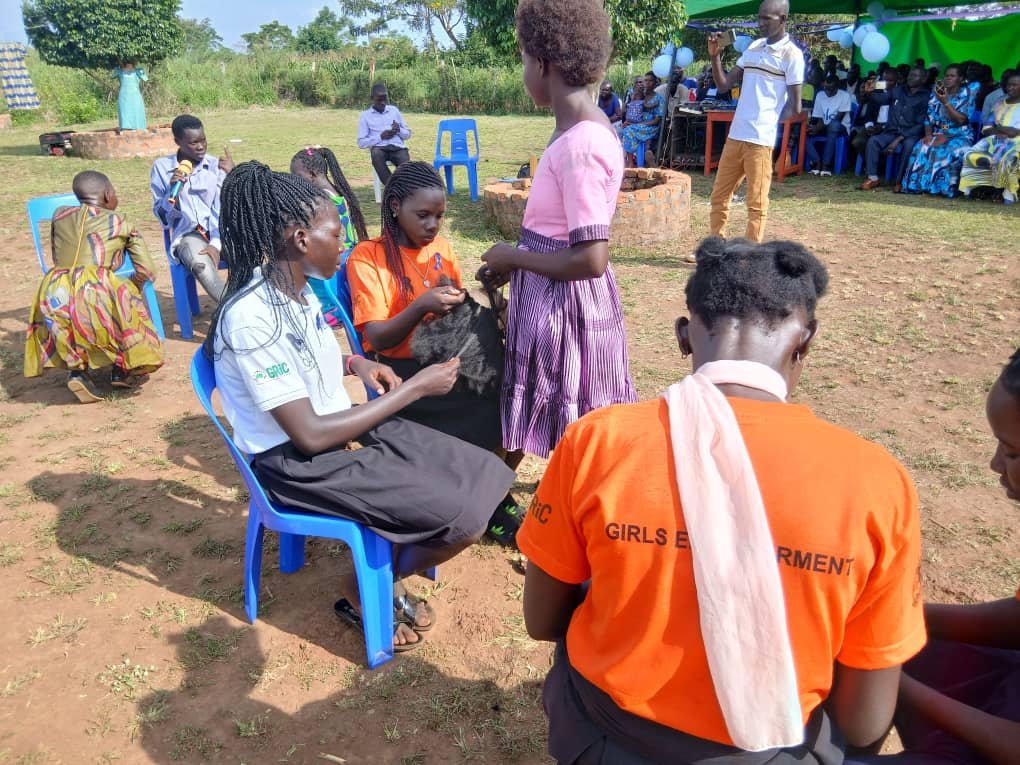
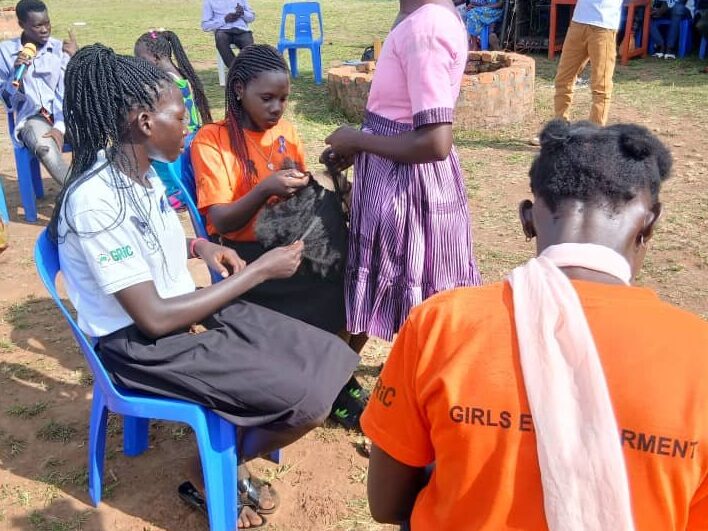
Meanwhile, Dorine Angom, FICH Programme Officer in charge of the Girls Empowerment Initiative Project, said the programme was launched in 2025 to empower girls aged between 15 and 25 who had dropped out of school.
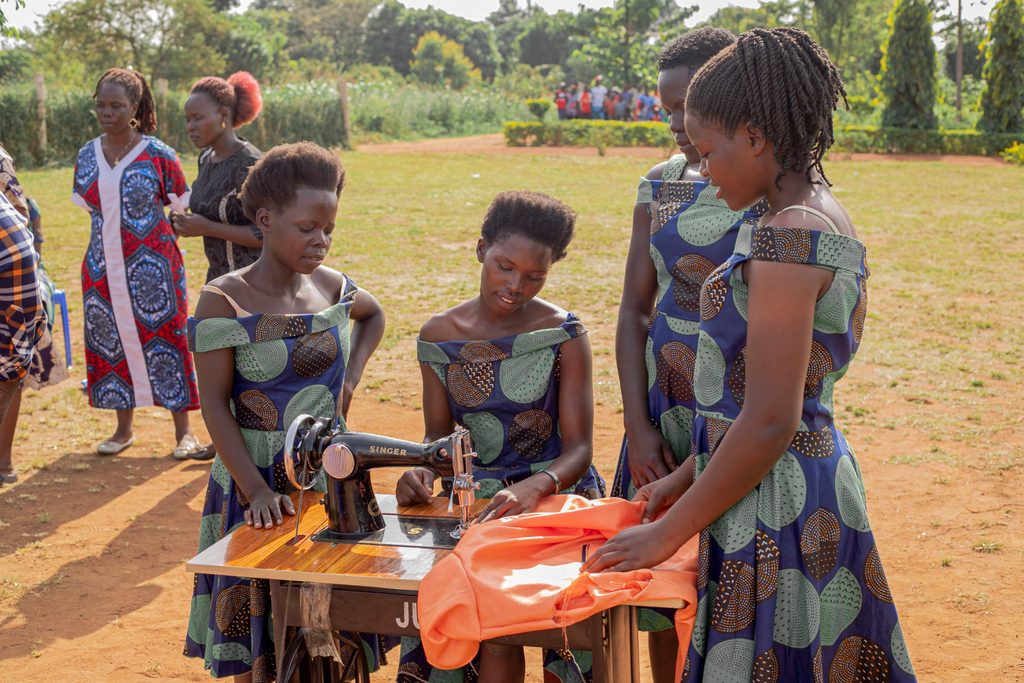
Angom explained that the first cohort of 40 girls underwent nine months of training in hairdressing and tailoring, equipping them with practical skills and the confidence to become self-reliant.
She revealed that the graduates would undergo a three-month workplace attachment in established salons and tailoring workshops to gain hands-on experience, improve their customer relations skills and prepare for the demands of the job market.
At the same event, Catherine Akullo, the Parish Councillor of Alidi Parish, called on parents and development partners to extend similar attention to the education and empowerment of boys.
Some of the graduates expressed appreciation to FICH and GRIC Africa for providing them with the opportunity to acquire vocational skills, saying the training would enable them to earn an income, support their families and improve their livelihoods.