
 Mama FM
Mama FM
Mama FM
25 May 2026, 12:21 pm
By Byamukama Alozious
Young people and health advocates have called on the Government of Uganda to urgently prioritise menstrual health management through increased funding, stronger policies, improved sanitation facilities and affordable menstrual products to protect the dignity and future of girls.
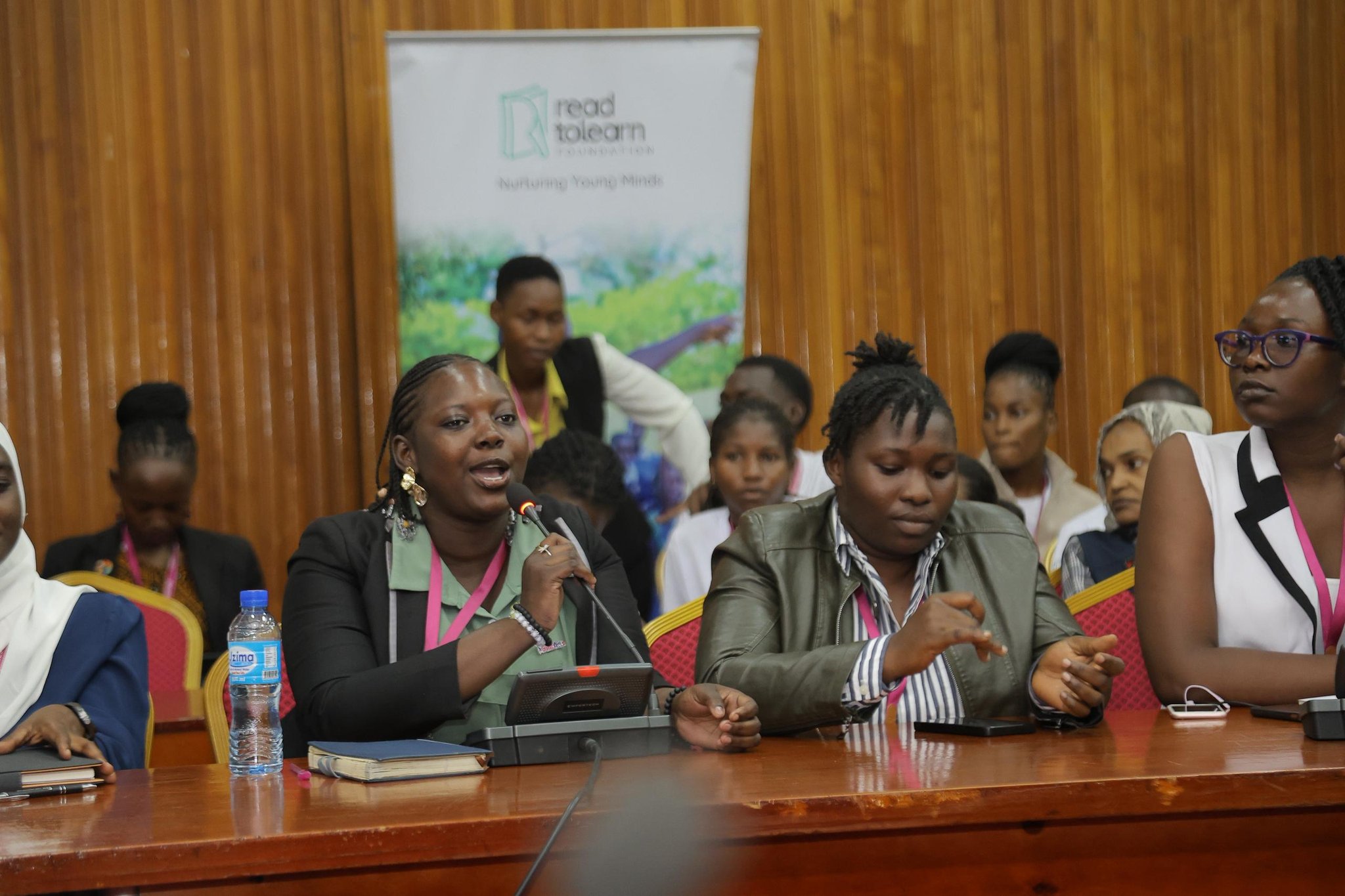
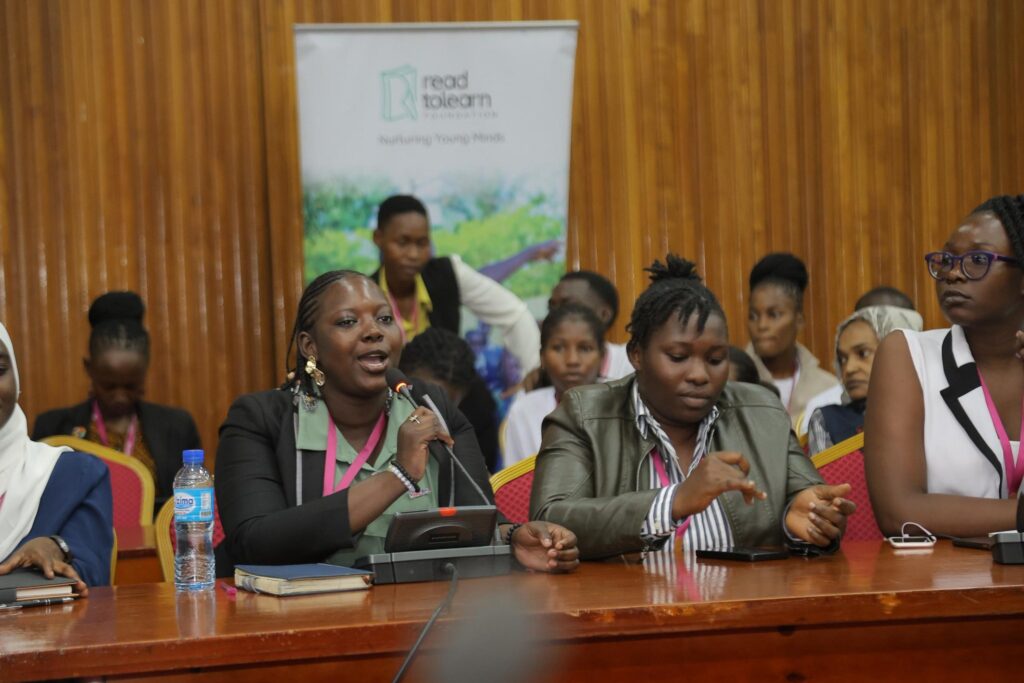
The call was made during the Youth Mock Parliament on Menstrual Hygiene Management held at the Parliament of Uganda under the theme: “Menstrual Hygiene in the Spotlight: Advancing Policy and Financing for Dignified Menstruation and Equitable Access.”
The engagement was convened by AHF Uganda Cares, together with partner organisations and youth advocates, to amplify the voices of young people on menstrual health challenges affecting girls across Uganda.
Henry Magara, Country Director of AHF Uganda Cares, said menstrual hygiene management should no longer be treated as a private issue but as a national development and human rights concern affecting education, health, gender equality and economic empowerment.
“Today, we are not only simulating parliamentary debate; we are amplifying the voices of young Ugandans who live the reality of menstrual hygiene challenges every day,” Magara said.
He noted that many girls continue to miss school because they cannot afford sanitary products or access proper sanitation facilities, especially in rural and low-income communities.
“In rural and low-income areas, up to 80 per cent of girls miss school during their menstrual cycles, while nearly one in four girls drops out entirely once menstruation begins due to lack of hygiene materials and facilities,” he said.
Magara added that many families are forced to choose between buying food and sanitary pads, pushing some girls into unsafe alternatives that expose them to infections, stigma and exploitation.
He said the mock parliament aimed to influence lawmakers to strengthen menstrual health policies, increase budget allocations and support a coordinated national response involving the Ministry of Health, Ministry of Education and Sports, civil society and development partners.
“We must ensure that no girl in Uganda misses school, risks her health, becomes vulnerable to HIV or compromises her future simply because of menstruation,” he added.
During the youth presentations, participants highlighted major policy and implementation gaps affecting menstrual health across Uganda.
According to a youth issues paper presented during the session, evidence from the MENISCUS study conducted by the Uganda Virus Research Institute and the London School of Hygiene and Tropical Medicine found that menstruation and poverty remain major drivers of absenteeism among adolescent girls.
The study revealed that nearly one in five girls missed school during their most recent menstrual period due to lack of menstrual products, menstrual pain, stigma and poor sanitation facilities.
Young people also referenced findings from the 2024 Office of the Auditor General report on menstrual health in schools, which showed that 64 per cent of female learners reported missing school due to menstruation-related challenges.
The report linked absenteeism to inadequate water, sanitation and hygiene facilities, lack of emergency menstrual supplies, poor disposal systems, menstrual pain and harmful cultural beliefs.
The youth delegates raised concerns over continued period poverty, saying many girls still resort to unsafe materials such as old cloths, tissue paper, mattress foam and rags because sanitary pads remain unaffordable for many households.
They argued that although Uganda officially zero-rated VAT on sanitary pads and tampons, hidden costs within the supply chain, including import expenses, transport costs and manufacturing challenges, continue to keep prices high.
“Stop taxing dignity. Sanitary pads are essential goods, not luxury goods,” one of the youth representatives, Sonia Owere, told the mock parliament.
The young people further warned that period poverty is increasing vulnerability among girls, with some engaging in transactional sex to access menstrual products, exposing them to risks of HIV infection and sexual exploitation.
The discussions also highlighted the neglect of menstrual pain and menstrual disorders such as endometriosis, with many girls reportedly suffering in silence due to lack of adolescent-friendly health services, diagnosis and treatment.
Participants further criticised poor menstrual hygiene infrastructure in schools, including lack of private changing rooms, clean water, disposal bins and incinerators.
Mondo Kyateka, Commissioner for Youth at the Ministry of Gender, Labour and Social Development, said menstruation is natural and parents, especially fathers, must openly support girls instead of treating the issue with silence and shame.
“It is important for fathers to have open discussions with their menstruating girls on the impact of poor menstrual hygiene. Parents should provide menstrual products in their homes,” he said.
The Member of Parliament for Kumi Municipality, Silas Aogon, who attended the engagement, emphasised the need for broader investment beyond sanitary pads alone.
“About 61.7 per cent of girls miss school during menstruation. Pads alone are not enough. We need better WASH facilities, stigma-free schools and stronger investment in menstrual health management,” he said.
Youth delegates called on Parliament and the Ministry of Finance to establish dedicated menstrual health budget lines at national and district levels and fully implement the long-standing government pledge on free sanitary pads for school-going girls.
They also urged the Ministry of Education and Sports to integrate comprehensive menstrual health education into the school curriculum and involve boys and men in breaking stigma surrounding menstruation.
The event brought together young people and partner organisations including AFRIpads, Hopestone Insight Uganda and International Sanctuary.
The youth concluded by urging government leaders to move beyond commitments on paper and take urgent, coordinated and well-funded action to ensure every girl in Uganda can manage menstruation safely, with dignity and without discrimination.